
Prognosis In Heart Failure Is Easy To Predict
Let's face it, nobody enjoys thinking about heart failure. It's a scary diagnosis, and the future can seem uncertain. But what if I told you that in some ways, predicting the prognosis – how things are likely to unfold – in heart failure isn't as complicated as you might think? Now, I'm not saying it's a crystal ball, but certain factors give doctors a pretty good idea of what to expect.
Why is this knowledge useful? Well, understanding the likely course of the disease allows patients and their families to make informed decisions about treatment options, lifestyle changes, and even end-of-life planning. It’s about empowering you to take control, as much as possible, in the face of a challenging situation. Imagine knowing whether aggressive treatments are likely to provide significant benefit, or whether focusing on comfort and quality of life might be a better approach. This is the power of understanding prognosis.
So, how do doctors predict the prognosis? They use a combination of factors. One of the most important is the severity of the heart failure itself. This is usually measured using something called the New York Heart Association (NYHA) functional classification, which ranges from Class I (no limitations in physical activity) to Class IV (symptoms at rest). Obviously, someone in Class IV is likely to have a less favorable prognosis than someone in Class I.
Must Read
Another crucial factor is the ejection fraction (EF). This is a measurement of how much blood the left ventricle pumps out with each contraction. A lower EF indicates that the heart isn't pumping efficiently, and is often associated with a poorer prognosis. But remember, EF is just one piece of the puzzle. Other factors, like the presence of other medical conditions (diabetes, kidney disease, etc.), age, overall health, and how well the patient responds to treatment, also play a significant role.
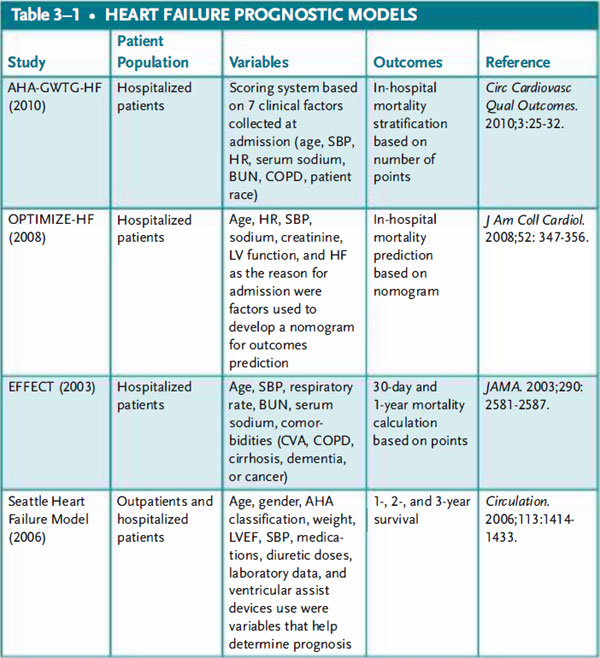
For example, a younger patient with a moderately reduced EF and no other major health problems who is diligently following their medication regimen and making healthy lifestyle changes might have a much better prognosis than an older patient with a similar EF, multiple comorbidities, and poor adherence to treatment recommendations. Doctors also utilize various scoring systems like the Seattle Heart Failure Model which combine multiple factors to provide a more refined prediction. These scores help stratify patients into different risk groups.

While predicting the future isn't an exact science, understanding the key factors that influence prognosis can be incredibly helpful. To enjoy this knowledge – meaning, to use it effectively – communication is key. Don't be afraid to ask your doctor questions about your prognosis. Ask them to explain your NYHA class, your EF, and how these factors, along with your other health conditions and lifestyle choices, contribute to their assessment. Ask about the potential benefits and risks of different treatment options, and be honest about your ability to adhere to recommendations.
Finally, remember that prognosis is not destiny. While it provides a general framework, individual experiences can vary. Focus on what you can control: taking your medications as prescribed, maintaining a healthy lifestyle, and staying connected with your medical team. This proactive approach, combined with a realistic understanding of your prognosis, can help you live the fullest life possible, regardless of the challenges you face.


