
Ozone Is A Greenhouse Gas
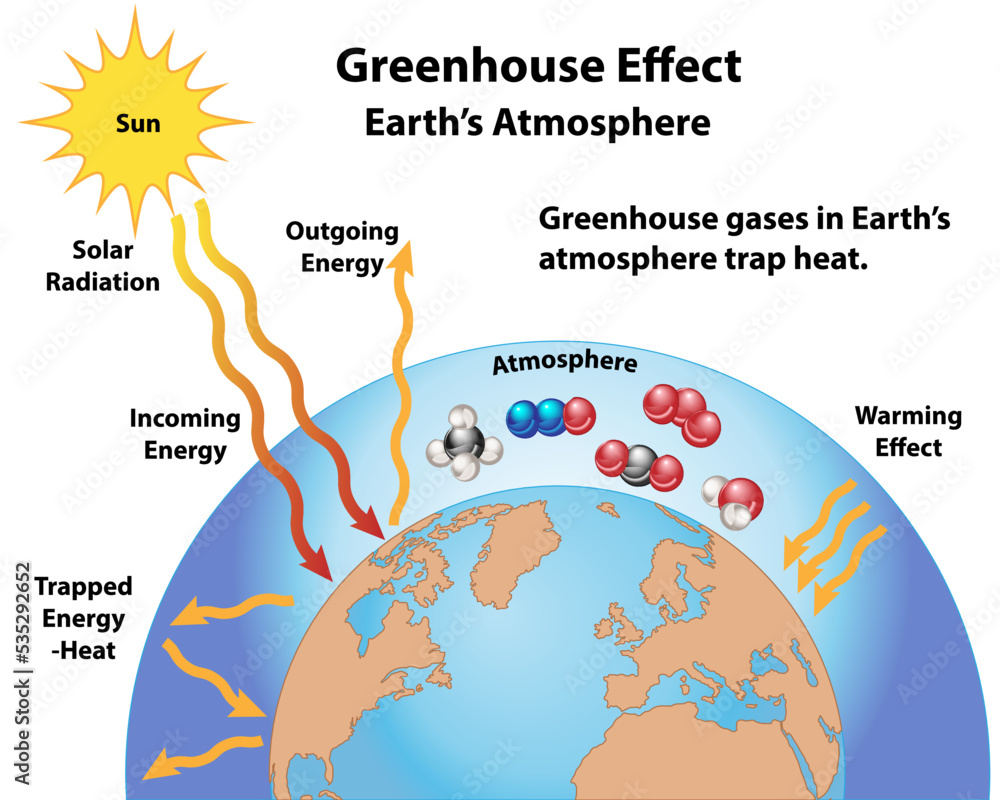
Okay, so grab your coffee, because I just had one of those "Wait, really?" moments that I absolutely have to tell you about. You know how sometimes you think you've got a handle on things, especially stuff related to, like, our planet and the big scary climate change talk?
Yeah, me too. And then you stumble upon a little factoid that totally rewires your brain. This one is about ozone. Yep, ozone. You know, that gas we usually hear about protecting us from sunburns, or sometimes, being a bit of a pollutant?
Ozone: The Secret Agent of Warming?
So, get this: ozone isn't just a UV shield or a lung irritant. It's also a greenhouse gas. Mind. Blown. Right? I mean, we talk about carbon dioxide (CO2) like it's the big bad wolf, and then methane struts in occasionally. But ozone? It's been quietly doing its thing in the background, apparently.
Must Read
I know what you're thinking. "But wait, isn't ozone good? Like, the ozone layer?" And you're absolutely right! Kind of. See, there are two kinds of ozone, and this is where it gets a little like a superhero with an evil twin. Or maybe more like Dr. Jekyll and Mr. Hyde. Let's call it the good ozone and the not-so-good ozone, okay?
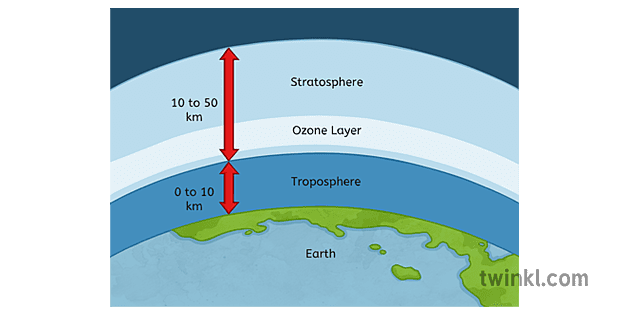
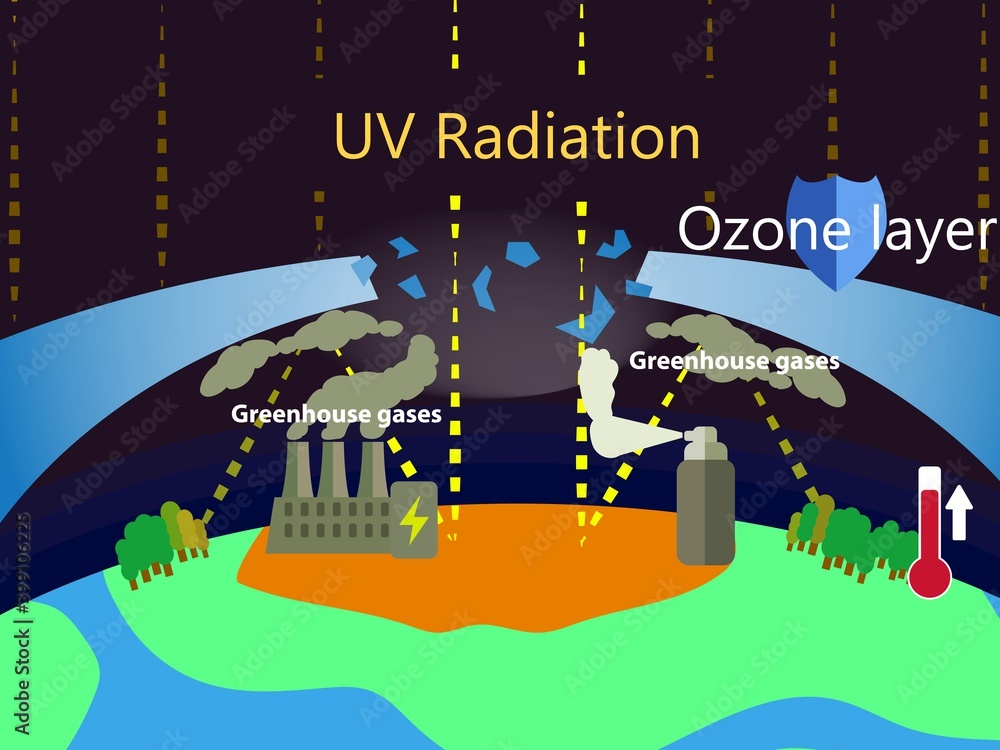
The good ozone? That's the stuff way up high in the stratosphere. It's like Earth's natural sunscreen, diligently blocking those nasty ultraviolet (UV) rays from the sun. We definitely want that one sticking around, right? In fact, we had a whole global effort to stop poking holes in it back in the day. Go us!
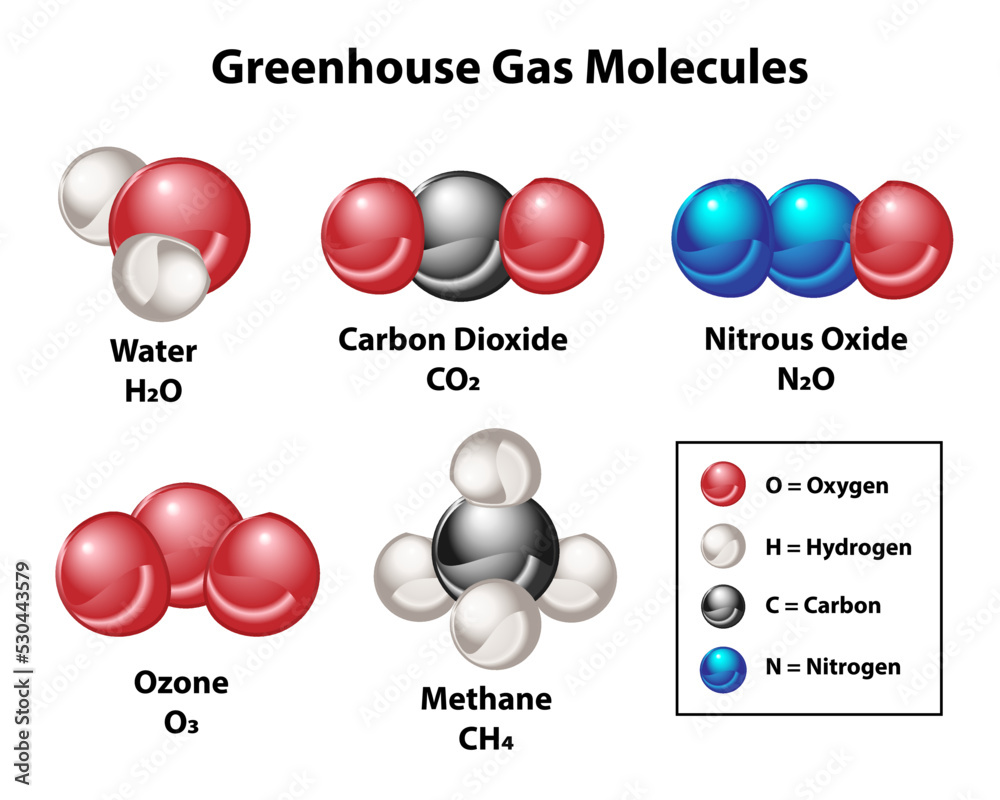
But then there's the other kind. The ozone closer to the ground, in the troposphere – that's where we live, breathe, and, well, create a bit of a mess. This ground-level ozone? That's the sneaky little troublemaker that's also a greenhouse gas.
It's not just a byproduct of pollution that makes your chest feel tight on a smoggy day. Nope, it's also really good at trapping heat. Think of it like another blanket over our planet, just when we're already sweating buckets.
How Does It Work? (The Super Simple Version)
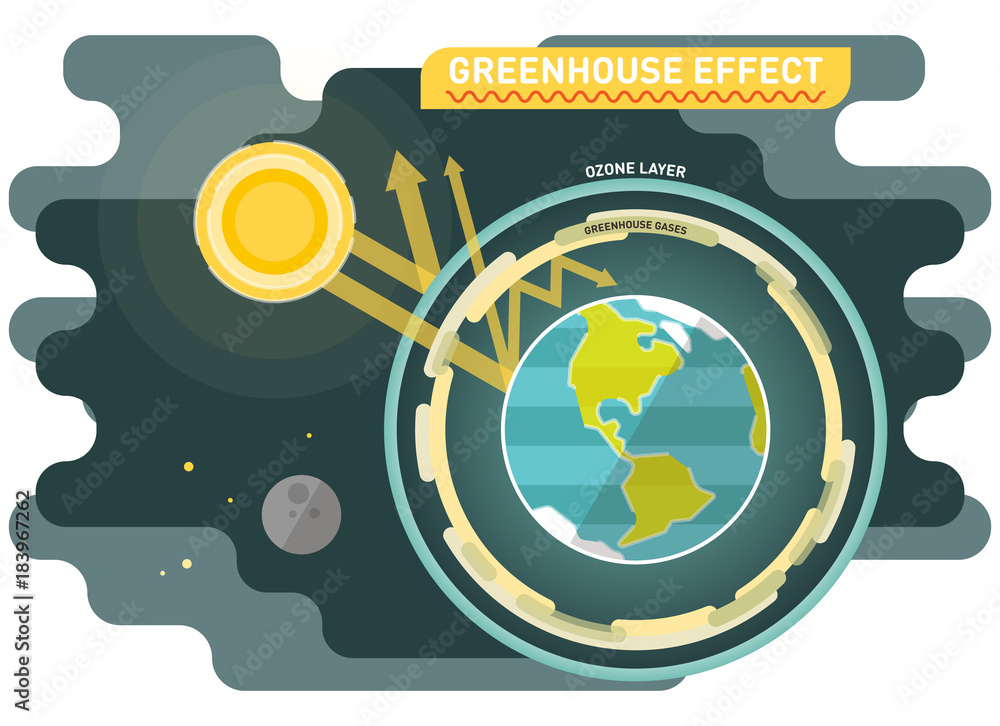
Basically, a greenhouse gas does what it says on the tin: it acts like the glass in a greenhouse. Sunlight comes in, warms things up, and then when that heat tries to escape back into space, these gases are like, "Nope! You're staying right here, buddy." So, the planet warms up.
CO2 is the MVP of this game, no doubt. But ozone, especially the kind formed from industrial emissions and car exhaust (think volatile organic compounds and nitrogen oxides baking in the sun), is a pretty potent player too. Pound for pound, it's actually way more effective at trapping heat than CO2 over a shorter period. It just doesn't hang around as long.
So, while it might not be the lead singer in the global warming band, it's definitely a powerful backing vocalist, adding some serious bass to the heat trap.
Why Haven't We Heard More About It?
Good question! I think it's partly because ozone is a secondary pollutant. It's not usually pumped directly into the atmosphere. Instead, it forms when other pollutants react with sunlight. It's like the result of a chemical cooking session, rather than a direct emission from a smokestack.
Also, its effects are a bit more localized and shorter-lived compared to CO2, which hangs around for centuries. So, while it contributes significantly to warming, especially regionally, it often takes a backseat in the big, global, long-term climate discussions.
But that doesn't make it any less important, does it? It just means there's another piece to this complex puzzle that we're all trying to understand. It's not just the stuff coming out of tailpipes and factories; it's also the stuff that forms from that stuff. Kinda makes you think, right?
So next time you hear about air quality alerts or ozone levels, remember that it's not just about healthy lungs (which, let's be honest, is already a pretty big deal!). It's also about our planet's temperature. It's all connected, like a super intricate, slightly alarming, cosmic web.
Isn't it fascinating – and maybe a little bit frustrating – how many layers there are to this climate challenge? It's like peeling an onion, but instead of crying, you're mostly just going, "Whoa." Anyway, just thought you'd want to know. You're welcome for the brain-noodle, my friend!