
Is Due Date And Statement Date The Same
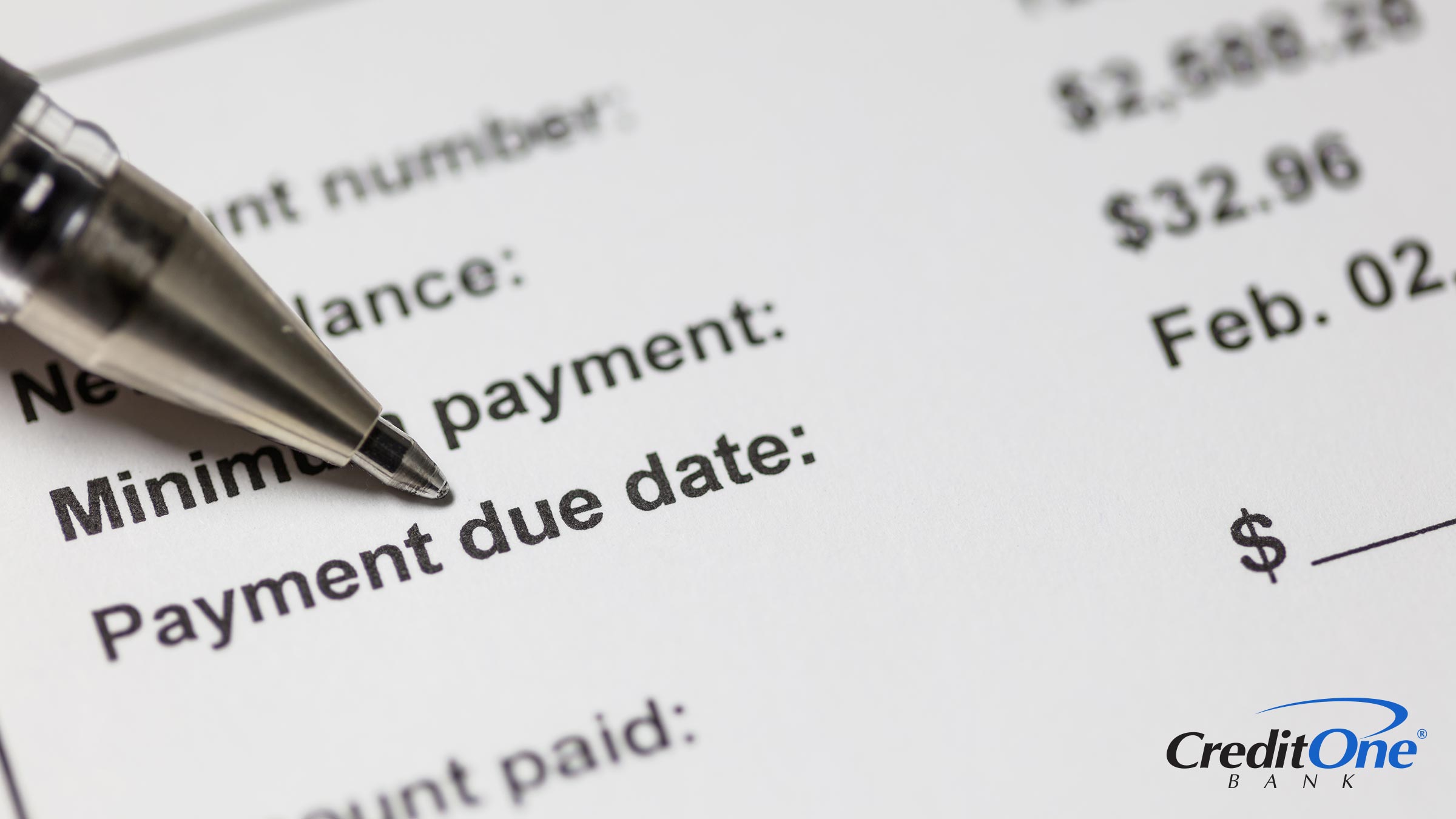
Ever gazed at a bill or a credit card statement and seen a couple of dates staring back at you? You know the ones: Statement Date and Due Date. For many of us, they can seem a bit like twins, always together, but are they truly the same? Let's unravel this little financial mystery with a smile!
Understanding Your Statement: A Quick Peek
Imagine your financial life as a fun, ongoing story. Every month, a new chapter closes, and that's where the Statement Date comes in. Think of the Statement Date as the moment a photographer takes a
The Statement Date is your account's monthly report card, showing everything that happened until that day.
So, if your Statement Date is, say, the 10th of every month, it means everything you did with that account from the 11th of the previous month until the 10th of the current month is included in this one statement. It's the date your bill is effectively "printed" or generated.
Must Read
The Due Date: Your Payment's Deadline
Now, let's talk about the Due Date. This is perhaps the more famous (or infamous!) of the two. The Due Date is the
Here’s the key difference: the Due Date is always, always

The Due Date is when your payment must arrive – it's your financial finish line for that month's bill.
This
Why They Are Different (And Why That's Good!)
The main reason these dates are different is to give you breathing room. If your Statement Date and Due Date were the same, you'd have to pay your bill the instant it was generated! That would be a chaotic dash to the finish line every single month, with no time to review or plan.

By having a separate Due Date, financial institutions offer convenience and flexibility. They understand that life happens, and you need a bit of time between seeing what you owe and actually paying it. This thoughtful separation helps you manage your finances without constant pressure.
Why It Matters More Than You Think
Understanding the difference between your Statement Date and Due Date isn't just a quirky fact; it's a superpower for your financial health! Knowing these dates helps you:

- Avoid Late Fees: Missing a Due Date can cost you money. Knowing it ensures you pay on time.
- Manage Your Cash Flow: You can plan when to move money around to cover your upcoming bills.
- Improve Your Credit Score: Consistent, on-time payments are a cornerstone of a good credit history.
- Utilize Grace Periods: For credit cards, if you pay your full balance by the Due Date, you typically won't pay interest on new purchases made during the current
billing cycle . Smart!
So, the next time you pick up a statement, don't just glance at the
They aren't the same, but their relationship is a beautiful dance of financial organization. Go forth and conquer your statements with this newfound clarity!
