
How To Secure A Garage Door From The Inside

Alright folks, let's chat about securing that big, often overlooked entry point to your home: the garage door. We’ve all been there, right? You pull into the driveway, hit the button, and that giant slab of metal glides open, revealing your tools, your kids' bikes, maybe even that dusty treadmill you swear you'll use someday. But have you ever stopped to think about how easy it might be for someone else to get in?
It’s not about being paranoid; it’s about being prepared. Think of it like putting on a seatbelt. You don't expect an accident, but you're glad it's there if you need it. Securing your garage from the inside is often simpler than you think, and it doesn't require a degree in advanced security systems. Just a few clever tricks that'll make any would-be uninvited guest think twice.
The Forgotten Locks: Manual Latches and Bolts
Let's start with the basics, the old-school gems that might be hiding in plain sight. Many garage doors, especially older models, come with manual slide locks or bolts on the inside. You know the ones – little metal tabs that slide into a hole in the track. They're often painted the same color as the door, making them practically invisible unless you're looking for them.
Must Read
Find these! Seriously, take a moment to look. If you have them, slide those bad boys into place when you're settling in for the night or heading out of town. It’s like putting a deadbolt on the garage door, but without the fancy key. Simple, effective, and often completely neglected. It’s the garage equivalent of finding twenty bucks in an old jacket pocket – a pleasant surprise that gives you a little extra security boost!
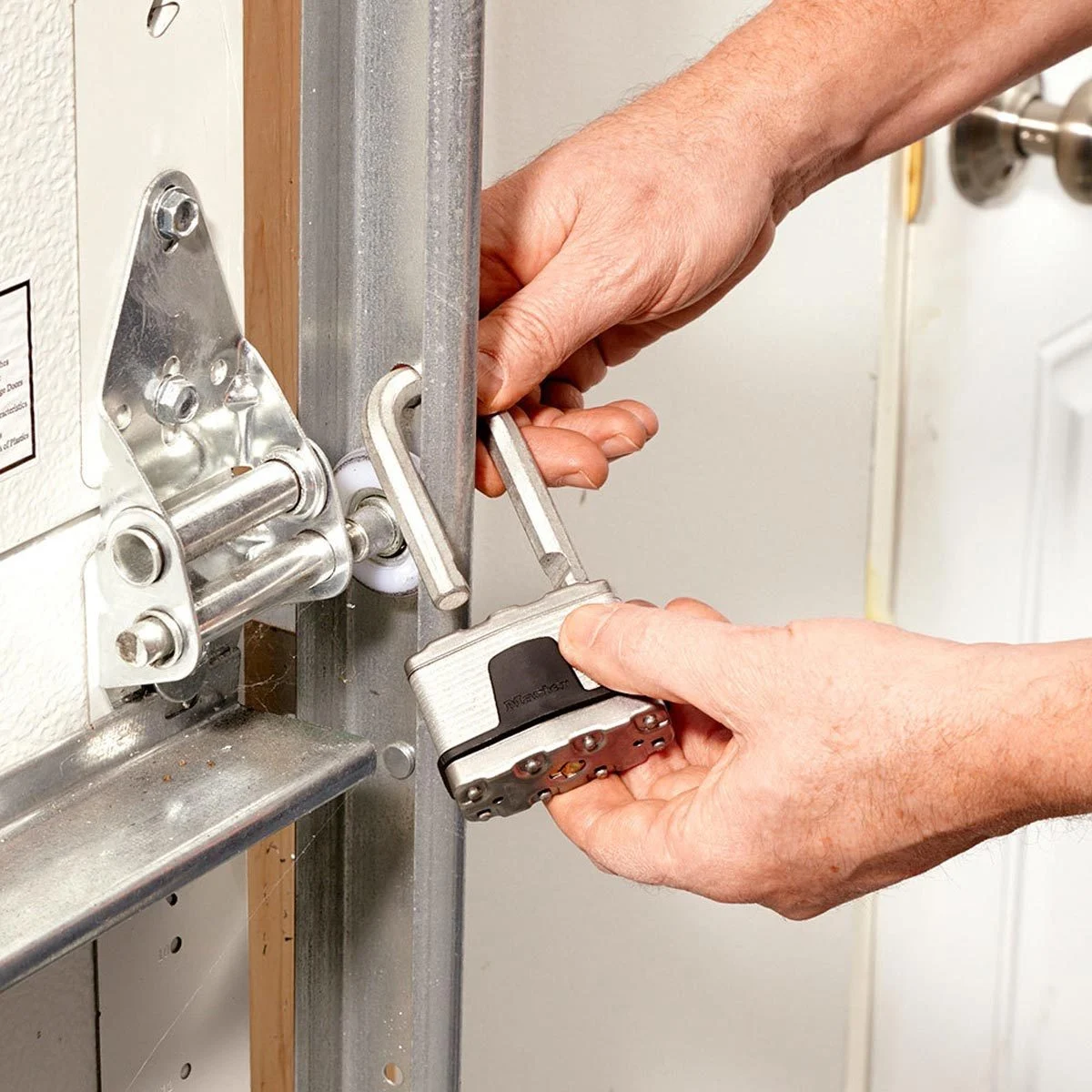
And speaking of old-school, a sturdy padlock can be your best friend. Many doors have holes designed for a padlock to go through the track or the door itself, essentially jamming it shut. Think of it as putting a bouncer at the door, telling everyone, "Nope, not tonight!"
Give Your Opener a Vacation: Disconnecting the Mechanism
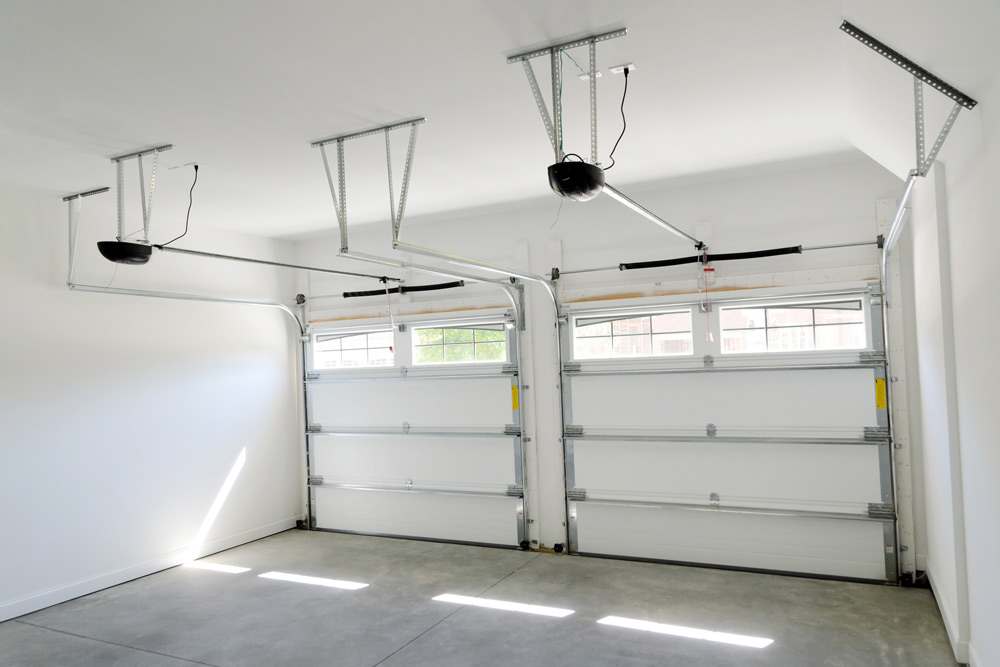
This is where things get a little more strategic. Your automatic garage door opener is super convenient, but it can also be a vulnerability. If someone manages to "fish" for the emergency release handle (that little red rope you're meant to pull in a power outage), they can pop your door open faster than you can say "surprise!"
Here’s the trick: when you're leaving for an extended trip or just want an extra layer of security, disconnect the opener arm from the door itself. That red emergency release cord? Pull it! This allows you to manually open and close the door, but more importantly, it means the automatic opener can’t lift the door. If someone tries to force it open from the outside, the opener won't respond, and the door will just sit there stubbornly. It's like telling your car to take a nap – no driving allowed until you re-engage it.
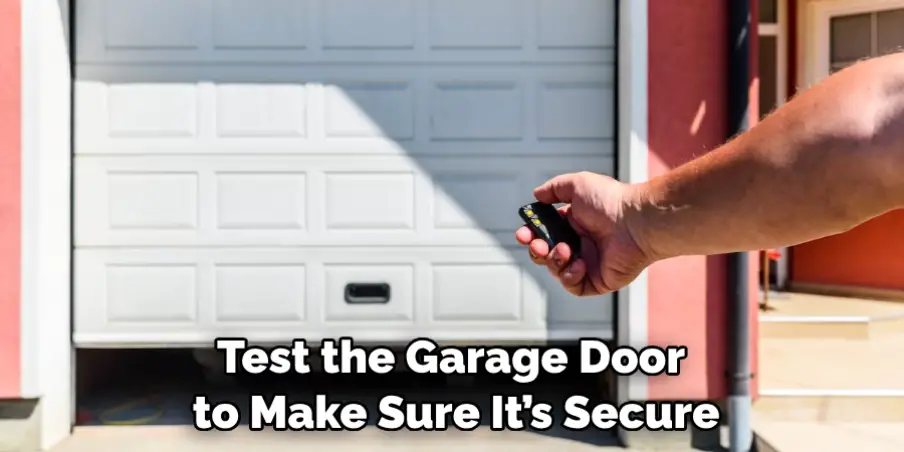
Just remember to re-engage it when you get back, unless you fancy giving your biceps a workout every time you need to park your car!
The Heavy Hitters: Bracing Your Garage Door
Now, for the ultimate in internal garage door security: bracing. This is where you literally make it impossible for the door to be pushed inward. This is especially useful against more determined attempts to pry or kick the door open.
The Store-Bought Brace Bar
You can buy dedicated garage door brace bars. These are usually metal bars that extend from the floor to the top of the door, or across the width of the door. They're like adding a reinforced spine to your garage door. Installation usually involves a few bolts and maybe some drilling, but once it's in, that door isn't going anywhere. It’s the equivalent of putting a giant, invisible "DO NOT ENTER" sign up that actually works!
The MacGyver Method: Wooden 2x4s
Feeling a bit like a DIY hero? A simple 2x4 piece of lumber can do wonders. Cut a 2x4 to fit snugly in the track behind the rollers, or create a brace that goes from the floor at an angle up against the door itself. You can even fashion small brackets on the door frame or floor to hold the wood in place. This is your inner MacGyver coming out, building a tiny fort from the inside! The goal is to prevent the door from bowing inward, even if someone tries to force it.
Just make sure whatever wood you use is sturdy and cut to the right length. Too short, and it's useless; too long, and you'll be wrestling with it more than a cat with a laser pointer.
A Quick Nudge: Don't Forget the Windows!
While we're all focused on the big door, take a quick peek at any windows in your garage. If they're easily accessible, they're another potential weak point. Make sure they're locked, or consider adding some simple internal bars or even privacy film. It's like securing the front door but leaving the back patio wide open for a squirrel invasion – you've covered one base, but there's another sneaky entry point!
Peace of Mind, One Bolt at a Time
See? Securing your garage door from the inside doesn't have to be a daunting task. It’s about a few simple steps, a little bit of awareness, and maybe a dash of DIY spirit. Whether you're using forgotten bolts, giving your opener a break, or going full MacGyver with a 2x4, each action adds a layer of protection.
So go on, give your garage door a little love and security. Your stored treasures (and your peace of mind) will thank you for it. After all, a secure home is a happy home, and a smiling, nodding reader is a good sign I've hit the mark!