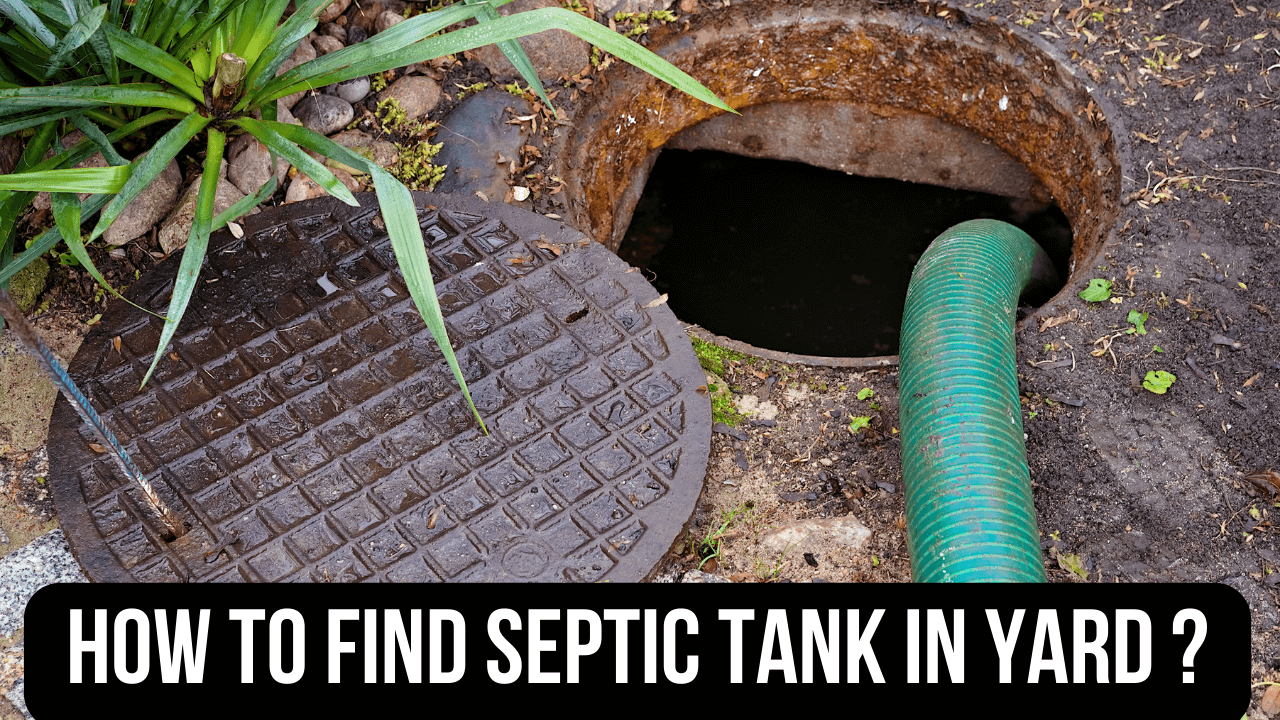
How To Find Septic Tank In Your Yard

Ever feel like your backyard holds a secret? Maybe something mysterious and vital, hidden just beneath the surface? Well, for many homeowners, that "secret" is their septic tank! And while it might not sound like the most glamorous treasure hunt, knowing where this essential piece of your home's infrastructure resides is incredibly
Why bother playing detective for a septic tank? Simple! Your septic system is a critical component for waste management if you're not connected to a municipal sewer system. Finding its precise location is essential for a variety of reasons: regular
Ready to dig in? Here’s your guide to unearthing your hidden tank:
Must Read
Step 1: Consult Your Home's History. This is your first and often easiest clue! Check old property surveys, "as-built" drawings, or even inquire with your local health department. They often have records of septic system installations. If you just bought the house, ask the previous owners – they're usually happy to share their knowledge.

Step 2: Follow the Pipe. Head to your basement or crawl space and locate where the main sewer pipe exits your house. The septic tank will usually be in a relatively straight line from that exit point, typically 10 to 25 feet away. It's almost always on a
Step 3: Look for Ground Clues. Your yard might be talking to you! Keep an eye out for areas with

Step 4: The Gentle Probe. If visual clues aren't cutting it, it's time for some careful probing. Grab a piece of rebar or a long, sturdy metal rod with a blunt end. Starting a few feet from where the main sewer line leaves the house, gently push the rod into the ground every foot or so, moving outwards in a grid pattern. You're feeling for a solid, flat surface, which would be the top of the septic tank or its access lid.
Finding your septic tank might seem like a chore, but it's a fantastic way to get acquainted with your home's hidden infrastructure. Once you know its location, you've got a valuable piece of knowledge that will serve you well for years to come. Happy hunting!