How Do You Know If A Car Seat Is Expired
There's a special kind of joy that comes with parenthood, isn't there? That first drive home from the hospital, the countless errands, the epic road trips to grandma's house – all made possible and, more importantly, safe by that essential piece of baby gear: the car seat. It's not just a contraption; it's a trusty co-pilot, a silent guardian, giving us the peace of mind to navigate the world with our most precious cargo securely buckled in. We rely on them daily, trust them implicitly, and in doing so, we're embracing the freedom and security they offer for our family adventures, big or small.
The core benefit of a car seat is simple yet profound: it’s a lifesaving device. Designed with meticulous engineering, these seats are built to absorb impact, distribute crash forces, and keep your child contained within the safest part of the vehicle during a collision. From the moment they're tiny newborns to the day they're ready for a booster, car seats adapt to protect children through different developmental stages. You've seen them everywhere: the snug infant car seats that click into a stroller, the versatile convertible car seats that grow with your toddler from rear-facing to forward-facing, and the practical booster seats that help older kids properly fit the vehicle's seat belt.
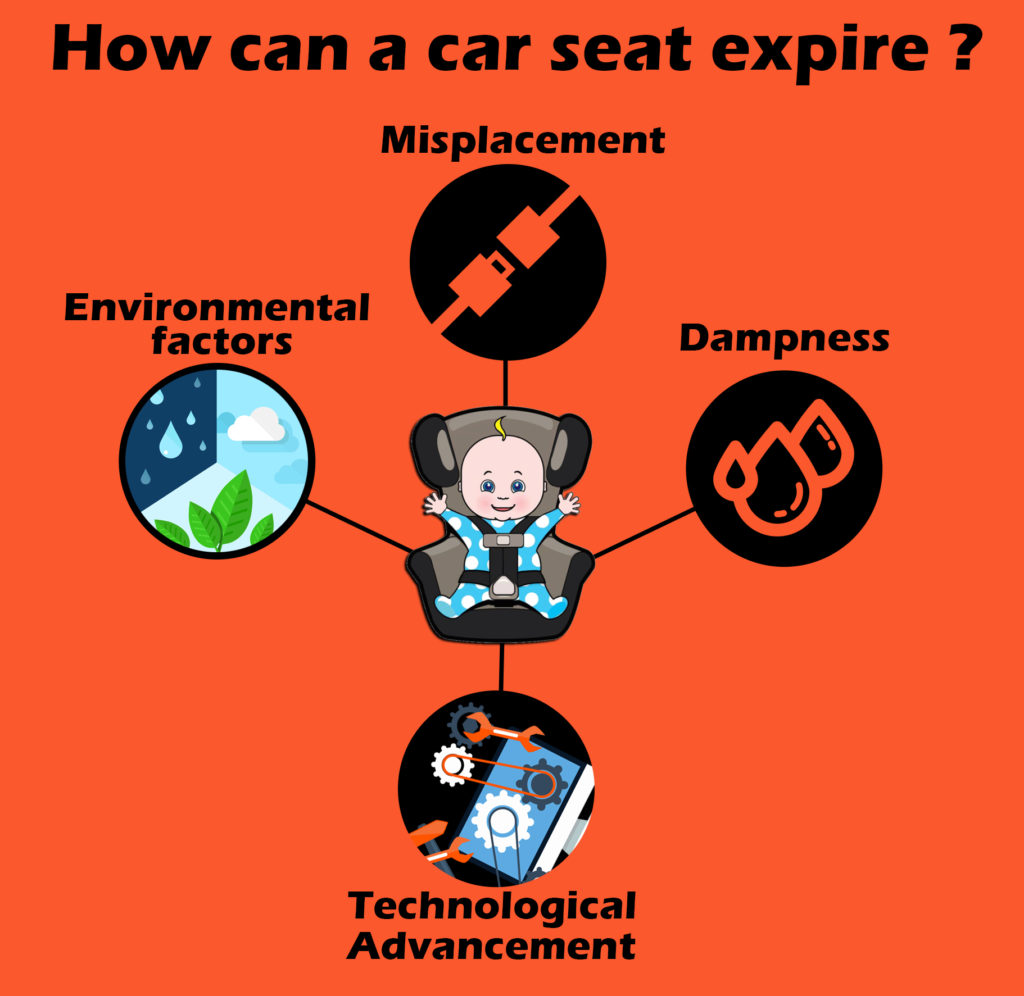
Given their critical role, it might surprise some to learn that car seats, much like a carton of milk or a loaf of bread, actually have an expiration date. "Wait, my car seat expires?" you might exclaim, and you wouldn't be alone! But it's true, and understanding why and how to check for it is a vital part of using them effectively. Over time, materials degrade – plastics can become brittle from temperature fluctuations, sunlight exposure, and stress, while foams can lose their protective qualities. Furthermore, safety standards evolve, and manufacturers introduce new technologies, making older seats potentially less effective than newer models.
Must Read
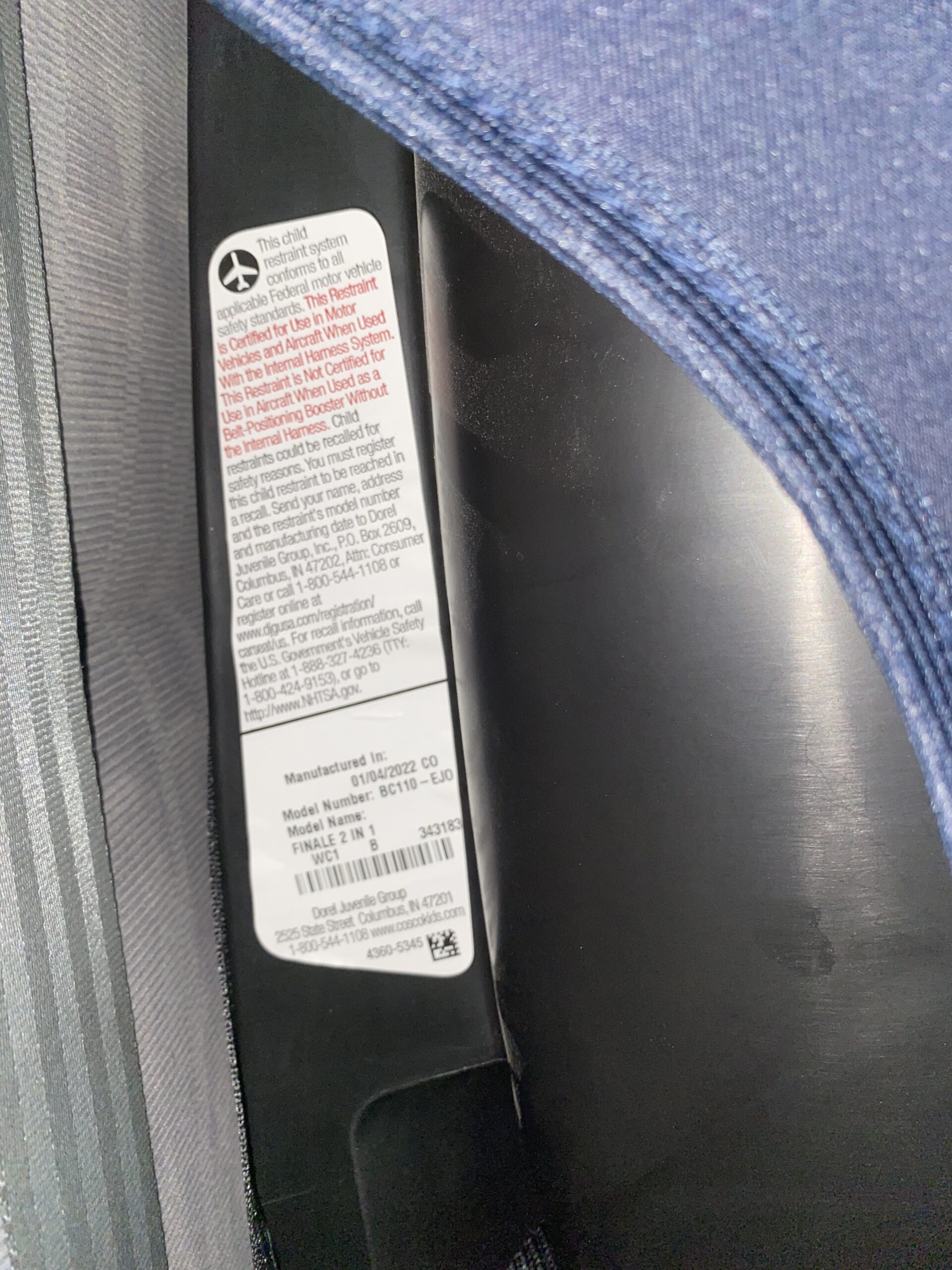
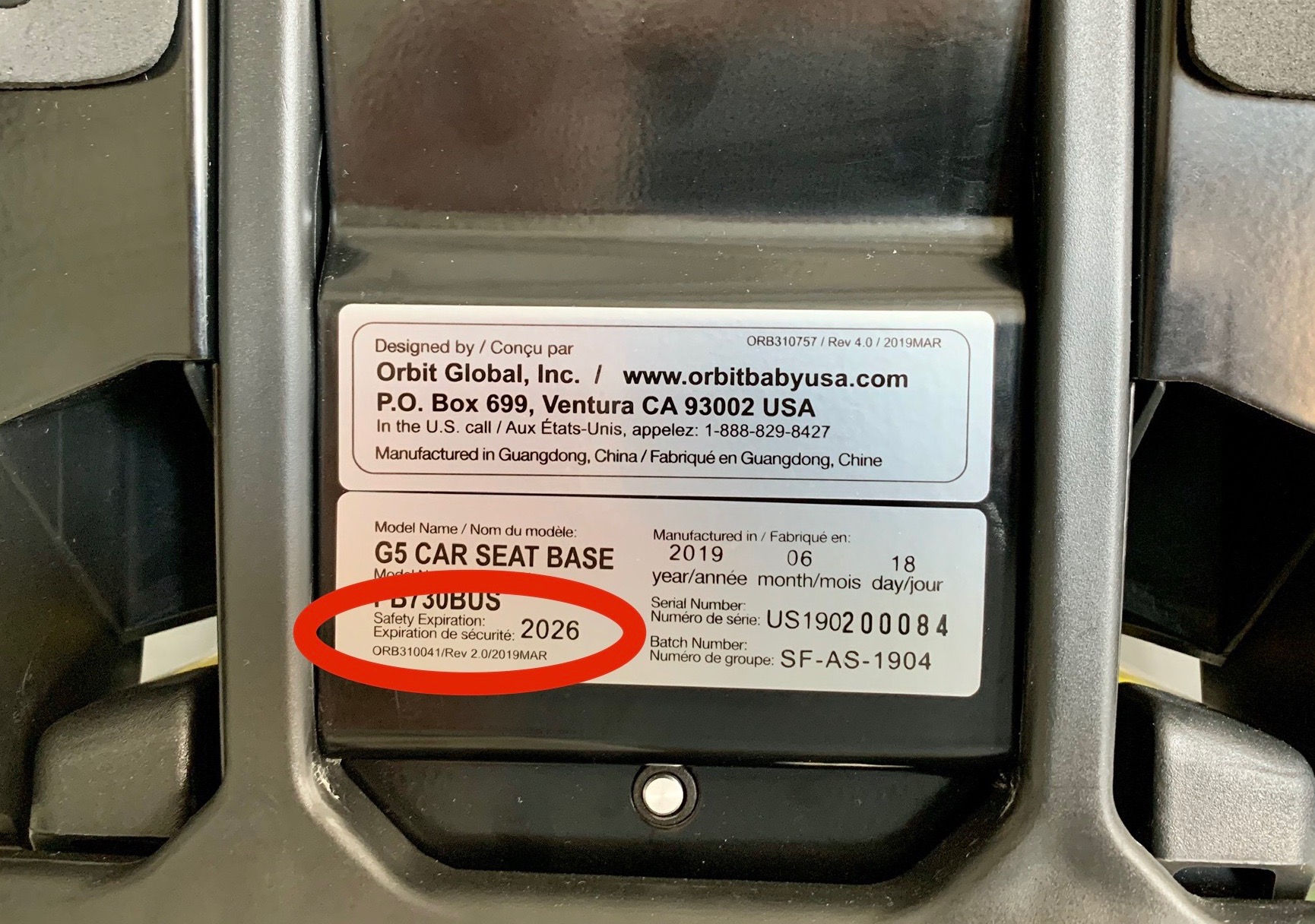
So, how do you play detective and uncover your car seat's expiry date? It’s usually simpler than you think! The first practical tip is to find the label. Manufacturers are required to prominently display this crucial information. Most commonly, you'll find it on a sticker located on the side, bottom, or back of the car seat shell. Sometimes, it's even molded directly into the plastic itself. Look for clear phrasing like "DO NOT USE AFTER," "Expiration Date," or simply a month and year. If you only find a "Date of Manufacture," a general rule of thumb is that car seats typically expire six to seven years from that date, though it's always best to check your specific car seat's manual or the manufacturer's website for their precise recommendation.
Beyond checking the expiration, there are other ways to ensure you're getting the most out of your car seat and providing maximum safety. Always ensure it's installed correctly according to the manual – a staggering number of car seats are installed improperly! Consider visiting a certified Child Passenger Safety Technician (CPST) for a free inspection. Another key tip: register your car seat with the manufacturer. This way, you'll be directly notified in case of any safety recalls. And finally, when it comes to second-hand seats, it's generally best to avoid them unless you know their complete history, including crash involvement and, crucially, their expiration date. By keeping these tips in mind, you can continue to enjoy those safe, peaceful journeys, knowing your little one is protected by gear that’s up-to-date and ready for the road ahead.