
Google Nest Doorbell Chime Not Working
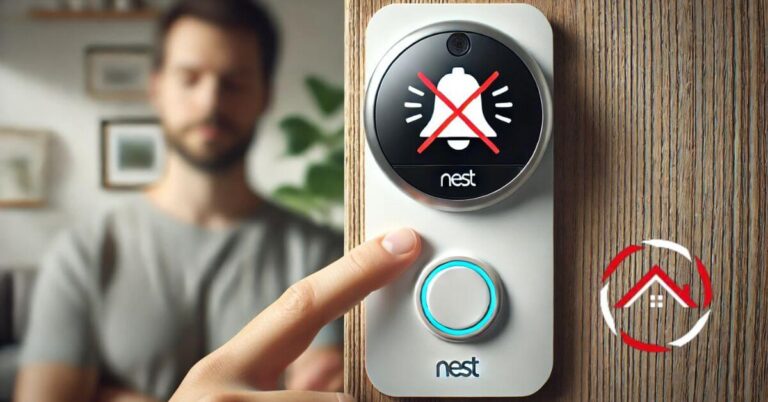
Picture this: you've just installed your super-sleek, ultra-modern Google Nest Doorbell. It’s got a camera, two-way talk, motion alerts – basically, it’s like having a tiny, vigilant butler at your front door. You’re feeling pretty good about upgrading your home tech. Then, someone rings the doorbell. You get the notification on your phone, you see them waving on the camera feed, but… silence. Absolute, deafening silence from inside the house. No traditional, satisfying “DING-DONG!” What gives?
If you’ve found yourself scratching your head, wondering why your shiny new Nest Doorbell isn’t chatting with your trusty old chime, you’re not alone. It's a common head-scratcher, and frankly, it’s also a pretty
The Grand Interrogation: Why Isn't It Ringing?
At its heart, this little mystery is all about a clash of eras. You have the bleeding-edge technology of the Nest Doorbell trying to communicate with a piece of tech that, in some homes, might predate the internet itself! It's like a high-tech diplomat trying to speak to an old-school monarch – there needs to be a translator, and sometimes, that translator needs a little nudge.
Must Read
The cool thing about this "problem" is that it forces us to understand the
The Power Play: Is There Enough Juice?
First up, the power. Your Nest Doorbell, being a smart device, needs a bit more oomph than your grandma's simple push-button bell. It's like comparing a bicycle to an electric car – both get you from A to B, but one needs a lot more juice!
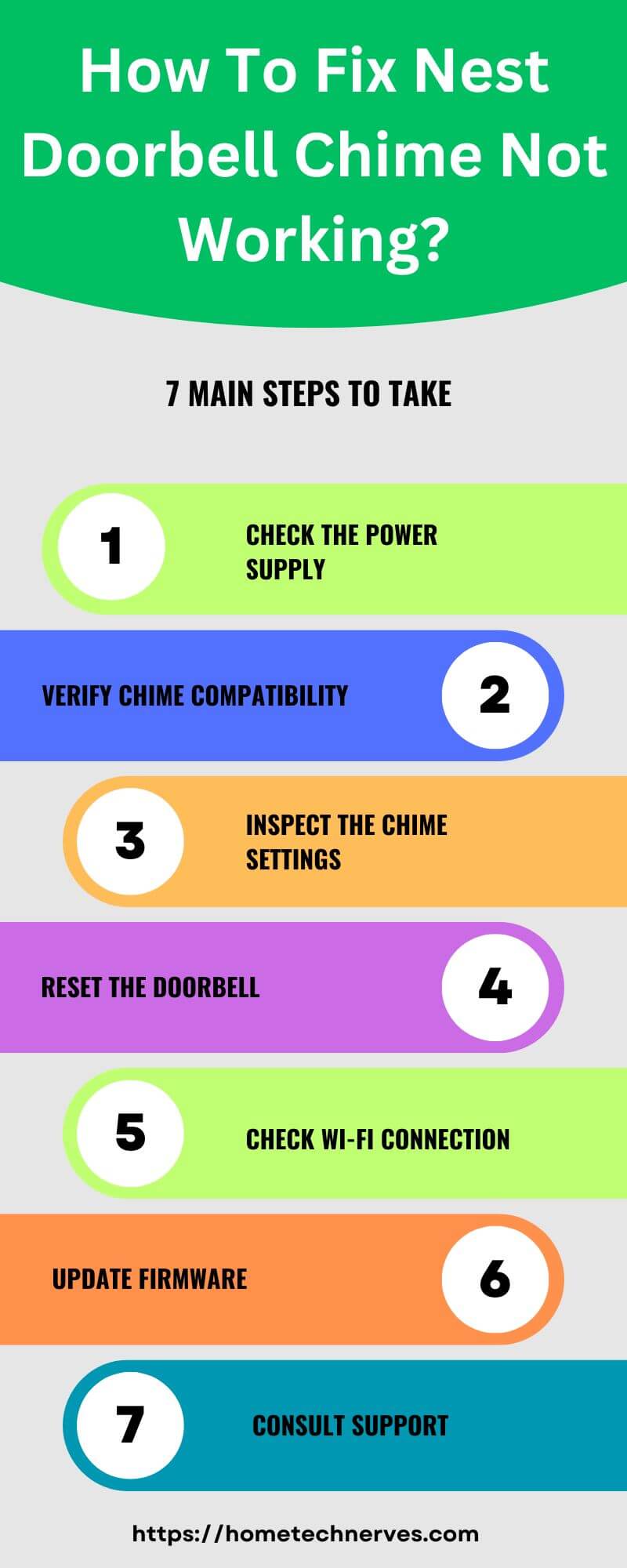
Often, homes have a
The Wi-Fi Whisperer: Is the Signal Strong?
While your Nest Doorbell connects physically to your chime wires, its
This is where it gets neat. Sometimes, it’s not a hardware issue at all, but a
The App Adventure: A Digital Toggle?
Here’s a fun one: sometimes the simplest solution is hiding in plain sight. Your Nest app (or Google Home app, depending on your setup) is the
Did you accidentally toggle it off? Did an update change a default setting? It’s like having a master light switch for your entire house that you forgot was there. A quick dive into the app and ensuring the
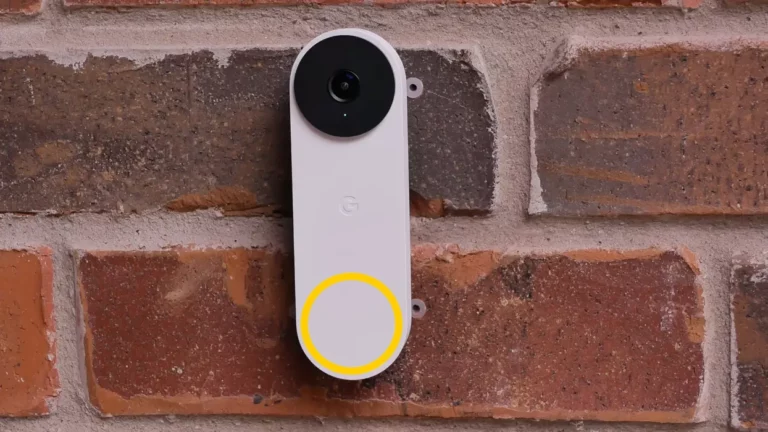
The Chime Itself: An Old Friend Retiring?
Let's not forget the star of the show: your actual indoor chime! These can be simple mechanical devices with plungers and metal bars, or more modern electronic ones. After years of dutiful service, sometimes they just… give up the ghost. Like an old faithful pet, they might have simply reached the end of their operational life.
When troubleshooting, it’s worth considering if the chime itself is the weak link. Maybe a wire is loose, or a component has failed. It’s a physical piece of your home's history, and sometimes, even the most robust components wear out. This is where the old-school meets the new-school troubleshooting – checking the physical integrity of the chime and its connections.

The Wiring Wonderland: A Tangled Tale
Finally, there are the actual wires. These are the unsung heroes, silently carrying power and signals through your walls. Over time, wires can become loose at their connections, get nicked, or even corrode. A loose wire at the transformer, the chime, or even the doorbell itself can interrupt the circuit and prevent that delightful "DING-DONG!"
It’s a bit like a tiny electrical scavenger hunt, but it’s cool because it shows you the
Embrace the Mystery!
So, if your Google Nest Doorbell chime isn't working, don't fret! See it as an opportunity. It’s a chance to play detective, learn a little more about your home’s electrical system, and really understand the