Electric Water Heater Electricity Usage

Ever wondered about the unsung hero quietly working in your home, providing that lovely hot shower every morning or helping you tackle a mountain of dirty dishes? We're talking about your electric water heater, and specifically, its electricity usage. It might sound a bit dry, but trust me, understanding how much juice this essential appliance sips can be surprisingly fascinating and incredibly useful. It's not just about wires and watts; it's about comfort, convenience, and a significant chunk of your monthly electricity bill. Diving into this topic is like pulling back the curtain on a crucial part of modern living, and it offers some neat insights into how we consume energy daily.
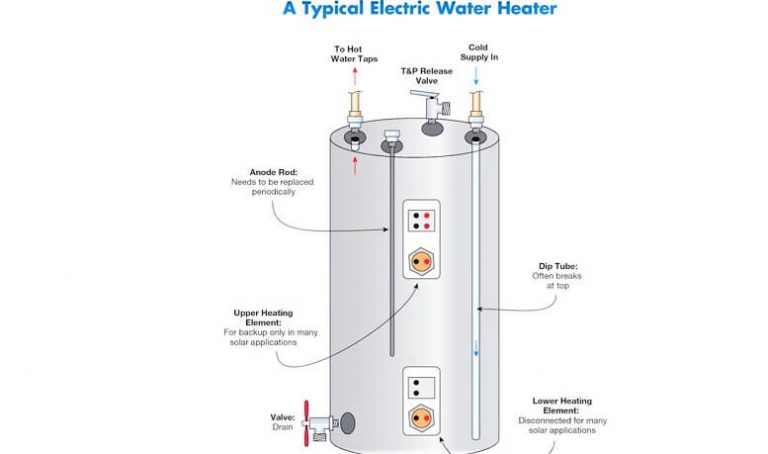
At its core, an electric water heater's purpose is beautifully simple: to supply on-demand hot water. Imagine a world without it – cold showers, greasy dishes, and less effective laundry cycles. The benefits are clear: hygiene, comfort, and sheer convenience. Inside its insulated tank, electric heating elements work much like the coils in a toaster, converting electricity into heat to warm the water. A thermostat keeps the water at your desired temperature, cycling on and off as needed. It's a marvel of simple engineering designed to keep your life running smoothly and warmly, ensuring you never have to shiver through a morning routine again.
In our daily lives, the electric water heater is indispensable. It powers those invigorating hot showers, ensures your dishwasher can sanitize effectively, and helps your washing machine get clothes truly clean. Beyond these obvious daily uses, understanding its operation can be a fantastic educational tool. For the curious student, it's a practical demonstration of thermodynamics and electrical resistance heating. You can explore concepts like energy transfer, insulation effectiveness, and even basic circuit diagrams. For the more environmentally conscious, it opens discussions about energy efficiency, comparing electric heaters with gas or solar alternatives, and calculating a household's carbon footprint. It’s a real-world lesson in physics, economics, and environmental responsibility, all rolled into one humble appliance.
Must Read
Ready to get a bit hands-on and explore this topic further? Here are a few simple ways to peek behind the curtain. First, take a look at your electricity bill. Can you identify periods of higher usage that might correspond to heavy hot water demand? Next, locate your water heater and check its label – you might find its wattage and tank capacity. A simple, practical tip: consider slightly lowering your water heater's thermostat. Many are set higher than necessary, and a small adjustment can yield surprising savings without compromising comfort. You could also explore insulating your hot water tank if it's older and lacks sufficient insulation – a simple DIY project that helps prevent heat loss. For the truly curious, consider a whole-house energy monitor to see real-time electricity consumption and understand exactly when your water heater is kicking in. By simply paying a little more attention to this often-overlooked appliance, you can gain a clearer picture of your energy habits and even find simple ways to make your home a little more efficient and your wallet a little happier.