
Does Closing Off Vents In Unused Rooms Help

Ever found yourself staring at that vent in your spare bedroom, thinking, "Why am I heating/cooling this room when no one's in it?" You're not alone! It's a common household dilemma, and the idea of closing off vents in unused rooms to save energy is a trick as old as central air itself. It feels intuitive, right? Like you're redirecting all that precious conditioned air to where it's truly needed, making your system more efficient and your wallet heavier. It’s a popular DIY energy-saving hack, and for good reason – who doesn't want to trim down those pesky utility bills?
The logic seems sound: if you block off the airflow to a room, the air has to go somewhere else, presumably to the rooms you are using, making them cooler or warmer faster. This, in turn, should make your furnace or air conditioner run less, saving you energy and money. It's an appealing thought, a simple flip of a lever to instant savings! However, while the intention is good, the reality of how your HVAC system works is a little more complex, and unfortunately, closing those vents often does more harm than good.
Here's the scoop: your home's heating and cooling system is a bit like a carefully choreographed dance. It’s designed to circulate a specific volume of air throughout your entire home. When you close off vents, you're essentially putting a kink in that carefully designed system. Instead of redirecting air to other rooms, you're primarily increasing the static pressure within your ductwork. Imagine trying to force water through a garden hose while pinching it – the pressure builds up, and the water might find other ways out (leaks!) or strain the pump.
Must Read
This increased pressure can lead to several unintended, un-fun consequences. Firstly, it can cause your ductwork to leak more. Tiny gaps and cracks in your ducts, which might not be an issue under normal pressure, suddenly become escape routes for your expensive conditioned air, often into unconditioned spaces like your attic or crawl space. This means you're still losing energy, just in a different, less effective way. Secondly, the extra strain on your system's blower motor can make it work harder, potentially shortening its lifespan and ironically, using more electricity to push against that resistance.
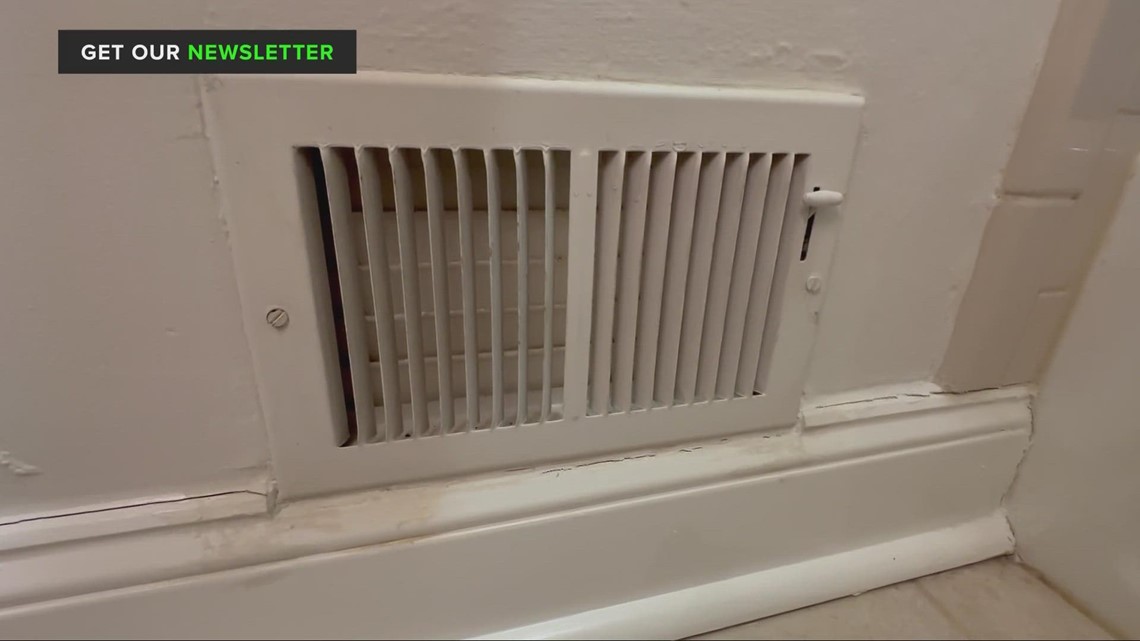
What about those other rooms? Do they get more air? Not significantly. Because the system is designed to move a specific volume of air, closing off a few vents doesn't magically create a powerful boost elsewhere. Instead, the air often finds the path of least resistance, which might be back through the return vents without properly conditioning your home, or simply leaking out of your ducts.
So, what should you do if you want to save energy? Forget the vent-closing myth. Focus on smarter, proven strategies: ensure your home is properly insulated, seal any air leaks around windows and doors, use a programmable thermostat to adjust temperatures when you're away or asleep, and regularly maintain your HVAC system. If you truly want to control temperatures in different areas, consider a professionally installed zone system, which uses dampers to smartly direct airflow. For now, leave those vents open and let your system breathe easy – your ducts (and your wallet, in the long run) will thank you!


