
Do You Need Carbon Monoxide Detector If No Gas
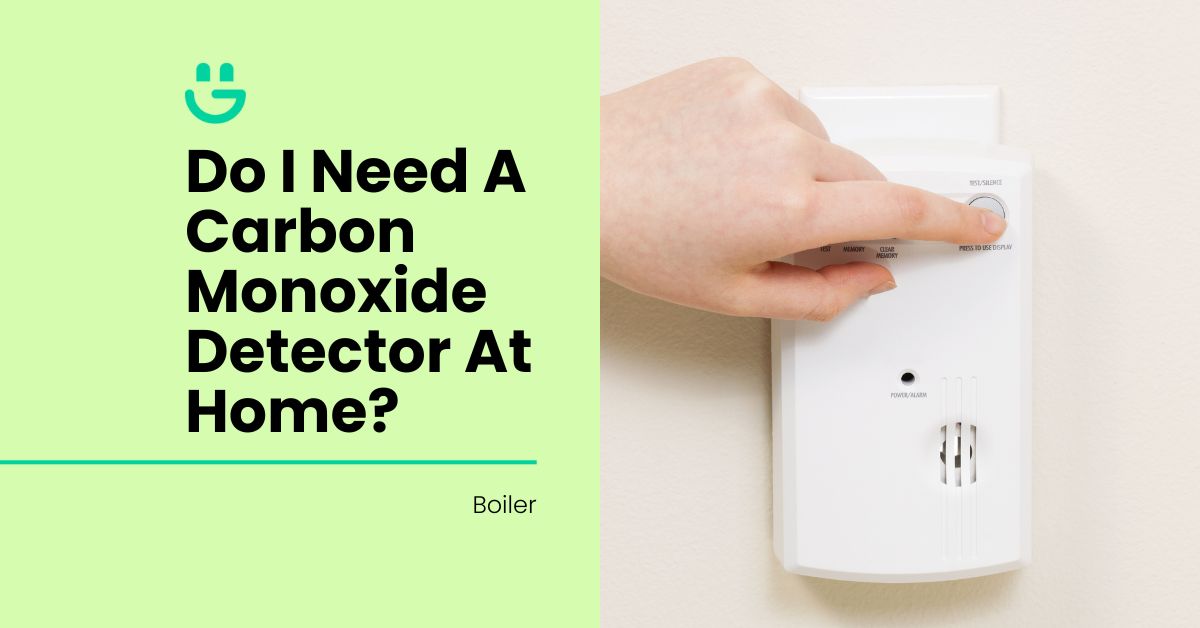
Hold Up! No Gas? Still Need a CO Detector?
Alright, so picture this: you’re chilling, coffee in hand (or tea, no judgment!), and someone brings up carbon monoxide detectors. Immediately, your brain probably goes, "Oh, but I don't have gas appliances. I'm totally safe, right?"
Yeah, about that. Let's have a little chat, just us. Because, spoiler alert: that gas-free bubble of safety? It might be a little… leaky. Sorry to burst it, but trust me, it’s for your own good!
See, the common thought is, no natural gas, no problem. And for many, that feels like a solid, logical conclusion. No gas stove, no gas furnace, no gas water heater – surely, that means you're in the clear, right?
Must Read
Well, not quite, my friend. It's a pretty widespread misconception, actually. A really dangerous one, if we're being honest. Carbon monoxide (CO) is a sneaky little villain, and it's not just a fan of natural gas.
The Sneaky Sources of Carbon Monoxide (Even Without Gas!)
So, where does this invisible, odorless menace come from if not your gas line? Prepare to have your mind mildly blown, or at least gently nudged into awareness.
Let's start with something super cozy: your wood-burning fireplace or stove. Ah, the crackle, the warmth! But if that flue isn't properly maintained or there's a blockage, guess what? CO can back up into your living space. Yep, that beautiful flame could be a silent threat.
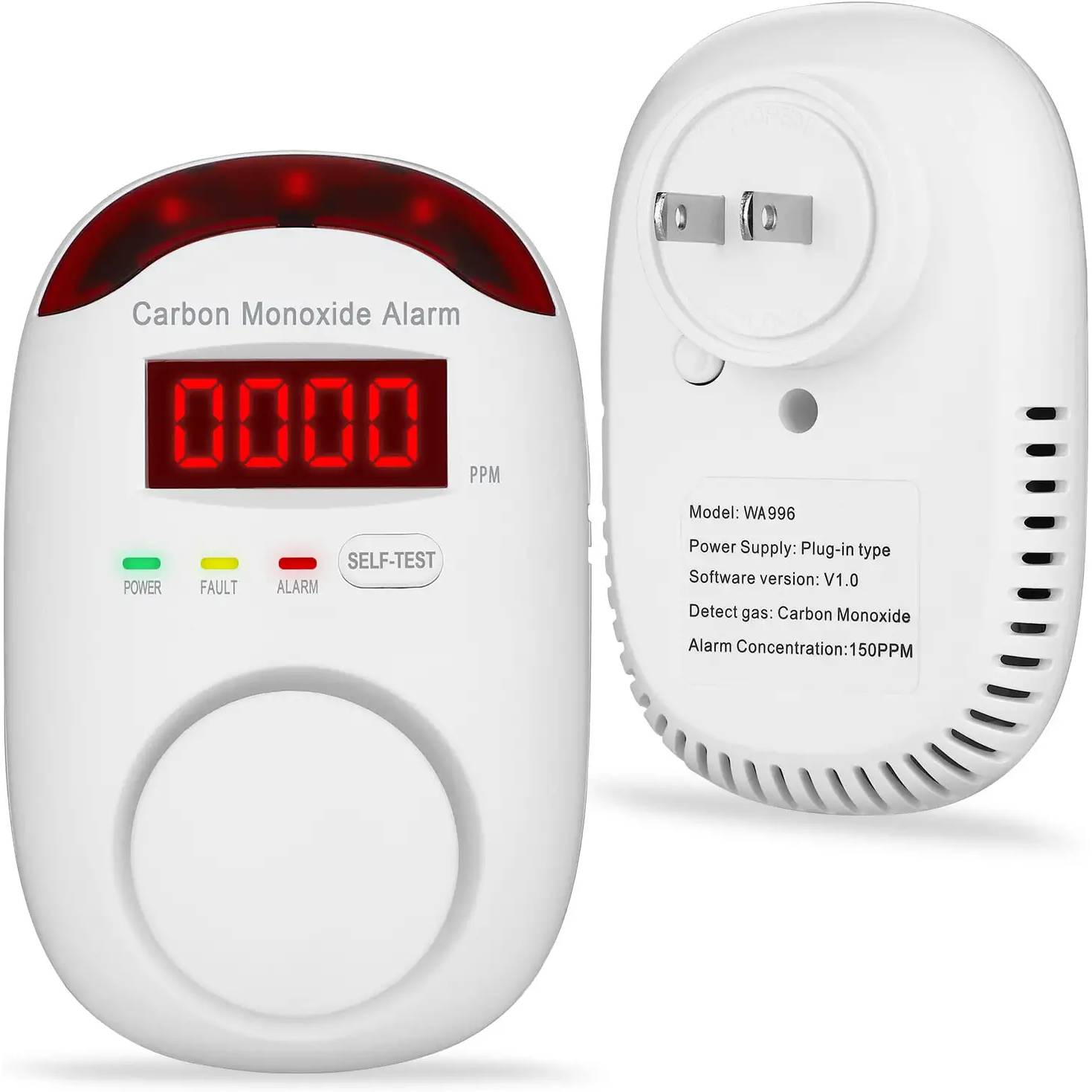
What about those folks who love a good backyard BBQ? Maybe you've seen someone bring a charcoal grill into a garage or even indoors during a storm. Big no-no! Charcoal combustion is a major CO producer. It’s outdoor equipment for a reason, people!
And generators! If the power ever goes out, you might rely on a gasoline-powered generator. Fantastic for keeping the fridge cold, right? But these babies need to be operated far away from your home – never, ever in an attached garage or anywhere near open windows. The exhaust is packed with CO.
Even your car in an attached garage can be a culprit. Idling it for "just a minute" while the garage door is closed can quickly build up dangerous levels of CO. That exhaust isn't just stinky; it's deadly silent.
Oil furnaces or kerosene heaters? Yep, they're on the list too. Any fuel-burning appliance, really, that relies on combustion. If that combustion isn't complete, or if the ventilation is compromised, CO is produced. It's like a bad recipe for disaster.

Why CO is Such a Creep (and Why You Can't Trust Your Senses)
Okay, so we've established it can come from more places than you thought. Now, let's talk about why this gas is so terrifying. It's often called the "silent killer" for a reason.
You can't see it. You can't smell it. You can't taste it. Your body literally has no way of detecting it on its own. Your nose won't give you a heads-up, no weird smells. Your eyes won't see a ghostly mist. Nothing. Nada.
And the symptoms? Oh, they're just perfect for messing with you. Headaches, nausea, dizziness, fatigue. Sound familiar? They're super similar to the flu! So, you might think you're just feeling a bit under the weather, when in reality, you're slowly being poisoned.

It gets worse. CO basically tricks your blood. It binds to your red blood cells way, way more readily than oxygen does. So, your body starts suffocating at a cellular level, even if you're "breathing" just fine. Pretty grim, right?
So, What's the Verdict? Do I Really Need One?
Okay, moment of truth. Do you need a carbon monoxide detector even if you don't have natural gas? My answer, plain and simple, is a resounding YES. Absolutely. Without a doubt.
Think of it like this: do you still wear a seatbelt even if you're a super careful driver? Do you have smoke detectors even if you don't smoke? Of course! Because safety isn't about eliminating all risk; it's about mitigating the risks you can control.
A CO detector is your early warning system. It's the only thing that can alert you to this invisible danger before it's too late. It's a small, relatively inexpensive device that stands guard when your senses simply can't.
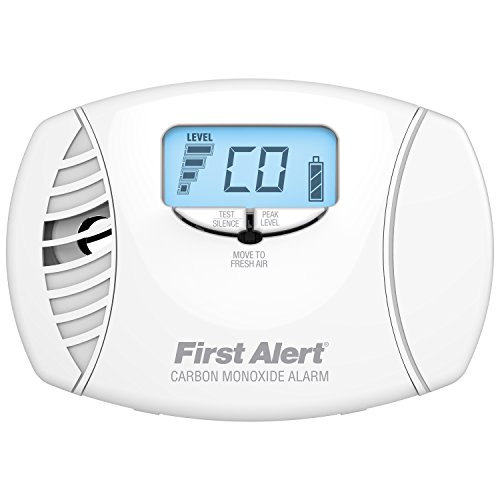
Where should you put them? Ideally, on every level of your home, especially near sleeping areas. This way, if levels start to rise, you'll be alerted when it matters most – while you’re asleep, when you're most vulnerable.
Battery backup is your friend here too. Because, let's face it, if the power goes out (which might be why you’re using a generator in the first place!), you still need that protection.
So, next time that thought creeps in – "No gas, no CO, right?" – remember our little chat. Remember the fireplaces, the grills, the generators, the cars. Remember the invisible threat. And then, remember to get yourself that little guardian angel. It’s truly peace of mind in a box.
Stay safe out there, my friend!