
Do Fire Detectors Detect Carbon Monoxide
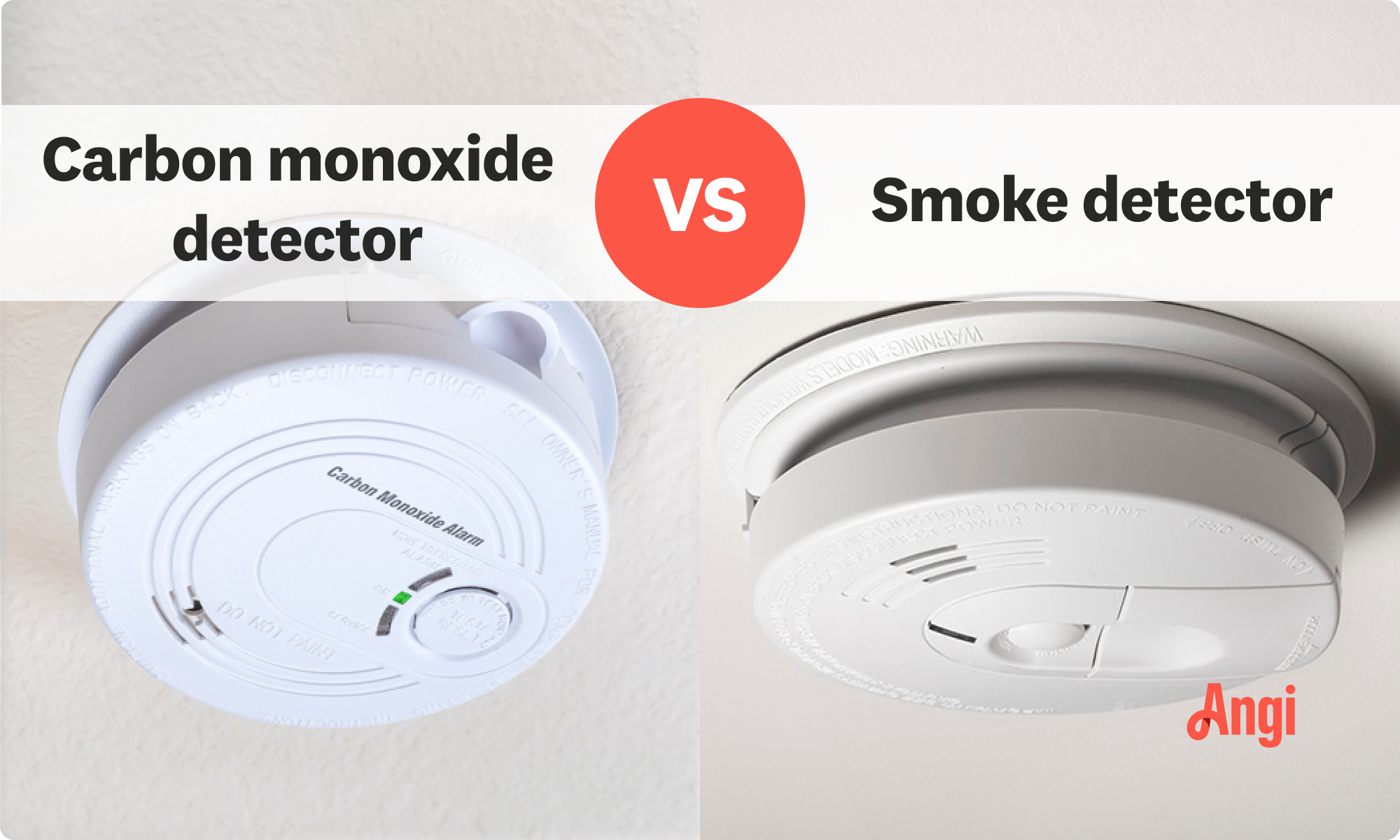
Alright, pull up a chair, grab your favorite beverage, because we’re about to unravel one of life’s great mysteries. Or, at least, one of the great mysteries that pops into your head when you’re half-asleep and hear a chirping sound from the ceiling at 3 AM. The burning question (pun absolutely intended): Do fire detectors also detect carbon monoxide?
It’s a fair question, right? You’ve got these vigilant little saucers on your ceiling, always on guard. You figure they’re like the ultimate home security bouncers – if something’s bad, they’ll know. They’ll blare, they’ll flash, they’ll annoy your cat. But here’s where things get a little spicy, a little twisty, and surprisingly, often dangerously misunderstood.
Let's Talk About Your Friendly Neighborhood Smoke Alarm First
Think of your smoke detector as a highly specialized nose. It’s an expert at one thing: sniffing out smoke. Whether it's the wispy tendrils from your forgotten toast (we’ve all been there, don't lie) or the angry, thick clouds from an actual inferno, its job is to say, "Hey! Something’s burning! Get out!"
Must Read
There are a couple of main types of smoke alarms, by the way: ionization alarms, which are super sensitive to small, invisible particles from fast-flaming fires, and photoelectric alarms, which are better at detecting larger, visible particles from smoldering fires. Basically, they're both looking for physical stuff in the air that shouldn't be there – the tangible evidence of a fire. They’re like tiny detectives, specifically trained to spot soot and ash.
But here’s the kicker, the plot twist, the part where you might gasp into your latte: while smoke is often a byproduct of combustion, and combustion can produce carbon monoxide, a standard smoke alarm is NOT designed to detect carbon monoxide gas itself.
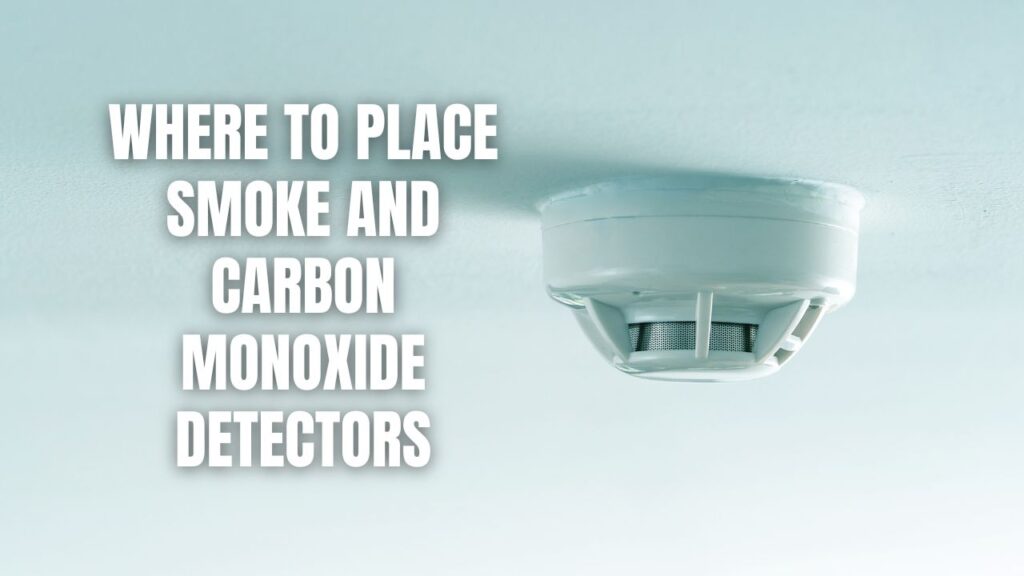
Enter the "Silent Killer": Carbon Monoxide
Now, let’s introduce the villain of our story, not with a cape, but with absolutely no visible presence at all. Carbon monoxide (CO) is often called the "silent killer" for a reason. It's odorless, colorless, and tasteless. You can’t see it, you can’t smell it, you can’t taste it. It's basically the ninja of hazardous gases.
Where does this sneaky villain come from? It’s a byproduct of incomplete combustion. Think furnaces, water heaters, gas ranges, fireplaces – anything that burns fuel. If these appliances aren't properly ventilated or maintained, they can start pumping out CO. Even running your car in an enclosed garage for too long is a big no-no.
The danger? CO replaces oxygen in your bloodstream. So, while you might think you're breathing perfectly fine, your body is slowly suffocating. Symptoms can be deceptively flu-like: headaches, dizziness, nausea, fatigue. You might just feel "off," blame it on a bad burrito, and then, well, things can go from bad to tragically worse very quickly. We’re talking unconsciousness, brain damage, and death.
So, Do Fire Detectors Detect Carbon Monoxide? The Big Reveal!
No. A resounding, unequivocal, drum-roll-please NO!
A typical smoke detector is looking for smoke particles. A carbon monoxide detector is looking for specific CO gas molecules. It's like asking a dog to meow, or a fish to climb a tree. They're both animals, yes, but they have fundamentally different skill sets and detection mechanisms. Your smoke alarm has no idea if CO is silently infiltrating your home.
Imagine your smoke detector as a security guard who only recognizes visible troublemakers. Carbon monoxide? It's a master of disguise, slipping past unnoticed, like a ghost through walls. Your smoke alarm wouldn't even bat an electronic eye.

The Plot Twist You Actually Want: The Combination Unit!
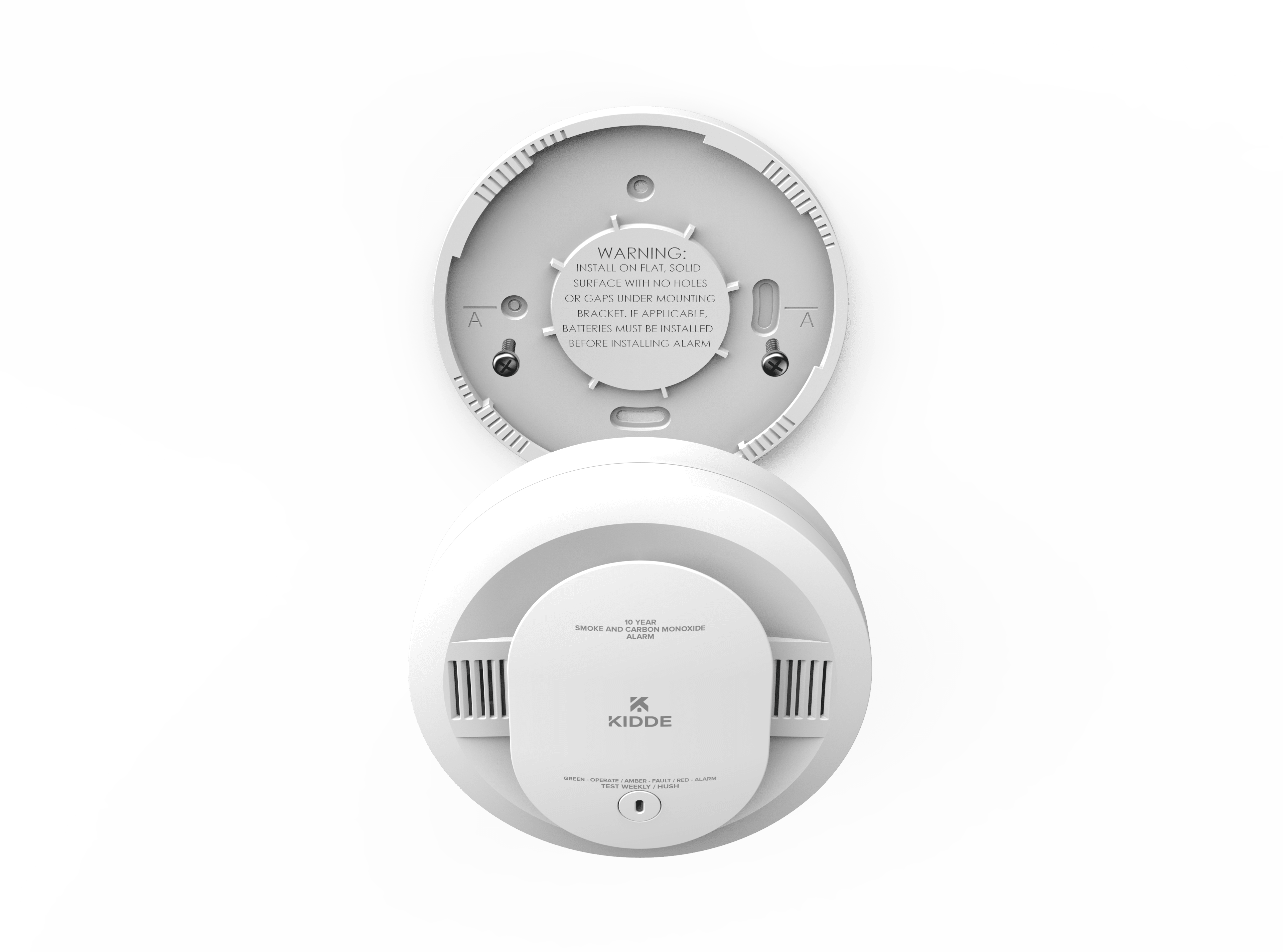
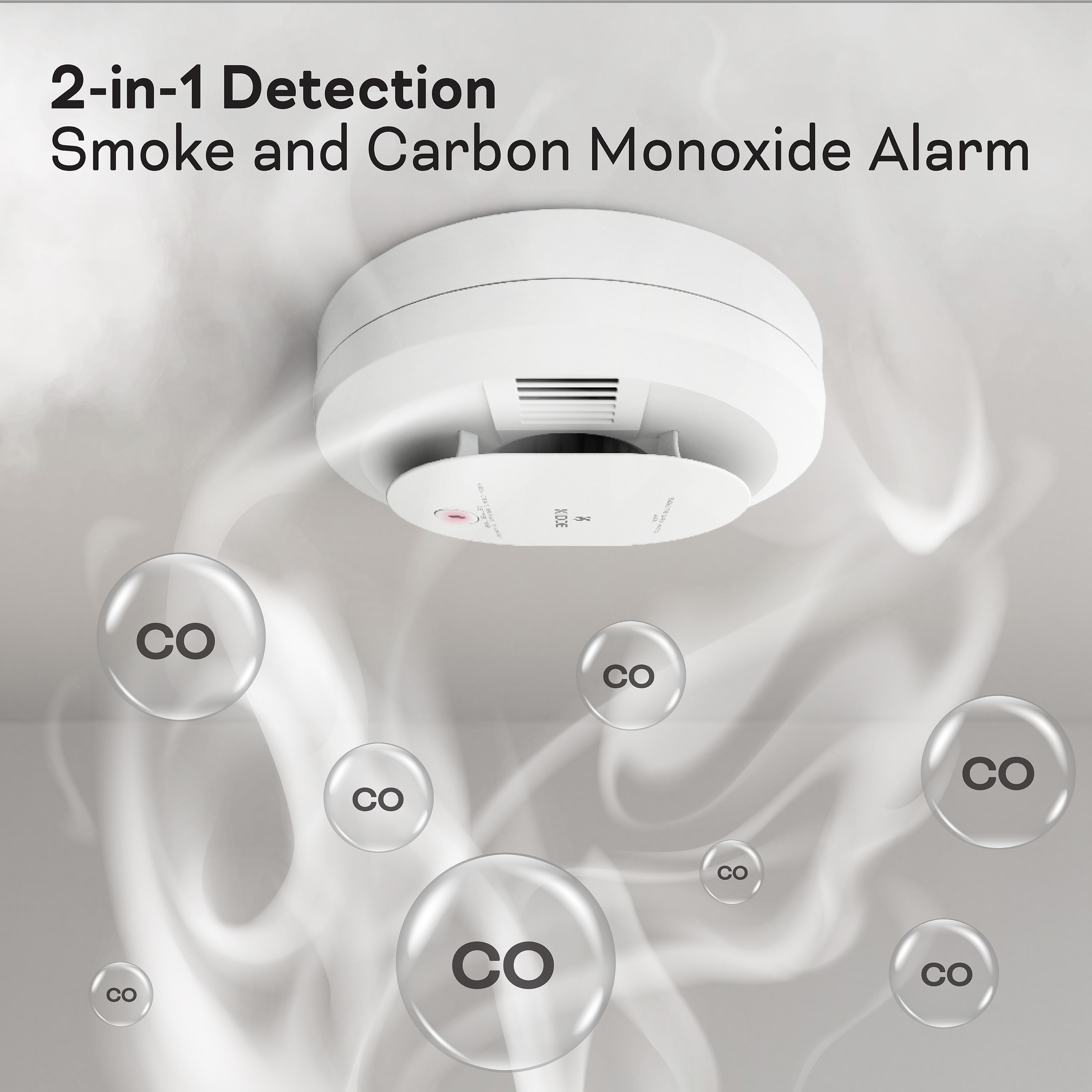
Now, before you panic and start thinking your home is an open invitation for all kinds of invisible dangers, there’s good news! Technology, bless its cotton socks, has given us a solution: combination smoke and carbon monoxide detectors. These clever gadgets are the superheroes with dual powers.
These units have two distinct sensors packed into one neat little package. One sensor is specifically for smoke, and the other is specifically for carbon monoxide. When they go off, they’ll usually have different alarm patterns or even a voice warning to tell you exactly what the problem is. "Fire! Fire!" versus "Carbon Monoxide! Carbon Monoxide!" – because knowing is half the battle, right?
But here's the crucial part: you need to actively seek out and purchase a combination unit, or separate CO detectors. Don't assume your existing smoke alarms are doing double duty unless they explicitly state "Smoke and Carbon Monoxide Alarm" on them.
The Takeaway: Don't Be a Hero, Be Prepared!
So, what’s the moral of this smoky, gassy tale? Don't rely on your smoke alarm to be an all-knowing, all-detecting oracle. While it's fantastic at warning you about visible fire threats, it’s completely blind to carbon monoxide.
You absolutely, positively, undeniably need both. Install smoke alarms on every level of your home, inside and outside sleeping areas. And for carbon monoxide? Place CO detectors on every level, especially near sleeping areas, so you can be warned even if you're asleep. Make sure they have a battery backup, and remember to test them regularly (that little button isn't just for show!).
Think of it as having a well-rounded security team for your home. One specialist for smoke, another for the invisible gas. It's not about being paranoid; it's about being smart and safe. Because while a little burnt toast is annoying, waking up to a CO emergency is a whole different (and much scarier) kettle of fish. Stay safe out there, folks!