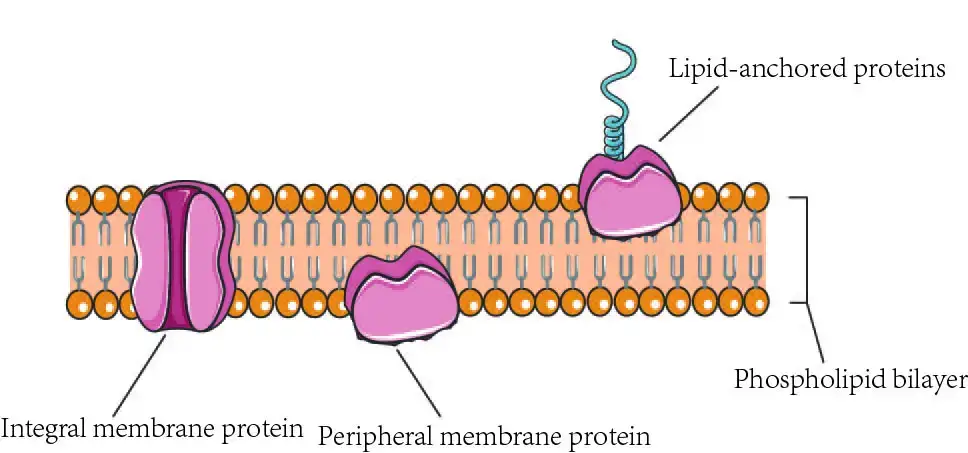
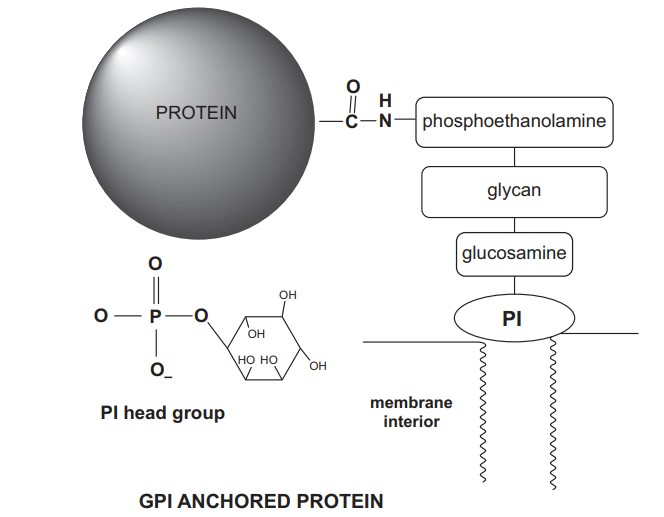
Choose All Functions Typically Carried Out By Membrane Proteins.

Ever wonder how your cells, those tiny building blocks of life, actually do anything? It's not just a bunch of goop sloshing around in there! A huge part of their functionality comes down to the amazing abilities of membrane proteins. These little guys are like the gatekeepers, chefs, and delivery drivers all rolled into one, working tirelessly within the cell membrane – that fatty layer that surrounds each cell and keeps everything inside (and unwanted things out). So, buckle up, because we're about to dive into the surprisingly diverse world of membrane protein functions!
Imagine your cell membrane as a city wall. It needs gates, watchtowers, communication systems, and even a power grid. Membrane proteins provide all of these vital services. So, what kind of jobs are we talking about? Let's break it down:
First up, we have transport proteins. Think of them as the city's delivery service. They're responsible for moving molecules – like nutrients, ions, and even waste products – across the membrane. Some are like open doors (channels), allowing specific molecules to flow freely down their concentration gradient (from high to low concentration). Others are like pumps (active transporters), using energy to force molecules against their concentration gradient. Without these transporters, our cells wouldn't get the fuel they need to function and wouldn't be able to get rid of harmful byproducts. Imagine trying to run a marathon without water or a way to get rid of the carbon dioxide in your lungs! That's what it would be like for a cell without transport proteins.
Must Read
Next, we have enzymes. These are the cell's tiny chefs, speeding up chemical reactions. Many enzymes are embedded in the membrane, allowing them to catalyze reactions right at the cell's surface. This is incredibly efficient, ensuring that critical processes happen quickly and in the right place. They might be involved in breaking down molecules for energy or building new molecules the cell needs.
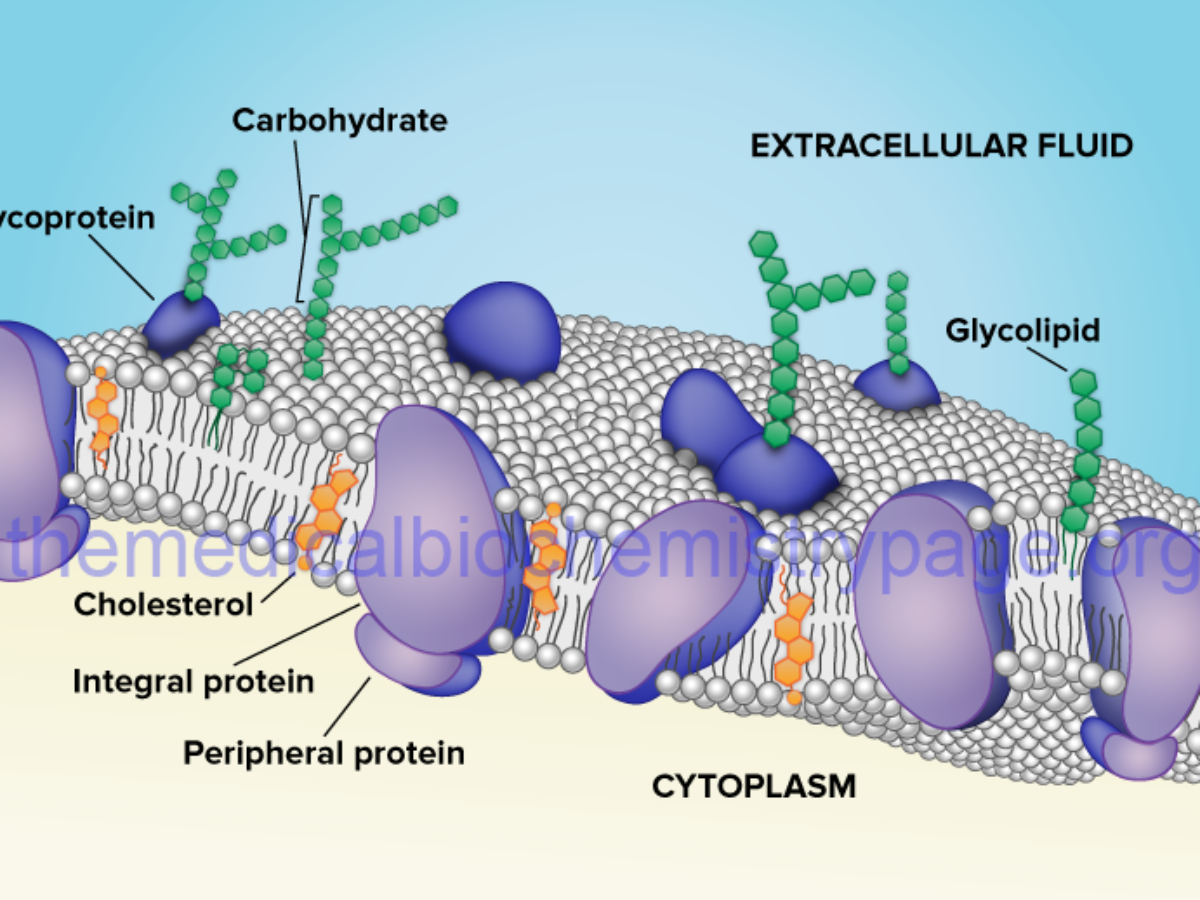
Then there are the receptor proteins, acting as the city's communication system. These proteins bind to specific signaling molecules, like hormones or neurotransmitters, outside the cell. When a signaling molecule binds, it triggers a change in the receptor, which then relays the message inside the cell. This allows cells to respond to their environment and communicate with each other. Think of it like a doorbell – someone presses it, and the signal travels through the wiring to tell you someone's at the door.
Another important job is cell-cell recognition. Some membrane proteins act like ID badges, allowing cells to identify each other and interact. This is crucial for the immune system, where cells need to distinguish between "self" and "non-self" cells. It's also important for tissue formation and organ development.
Finally, anchorage. Membrane proteins can attach the cell to the extracellular matrix (the stuff surrounding cells) or to other cells. This provides structural support and helps maintain tissue integrity. Think of it like the scaffolding holding up a building.
In short, membrane proteins are essential for cellular life. They're the workers that make sure everything runs smoothly, from bringing in nutrients to sending out signals. Understanding their functions is key to understanding how our bodies work, and how diseases can disrupt these vital processes. So, next time you hear about cell biology, remember the unsung heroes of the membrane – the amazing membrane proteins!