
Where Do You Put The Carbon Monoxide Detector
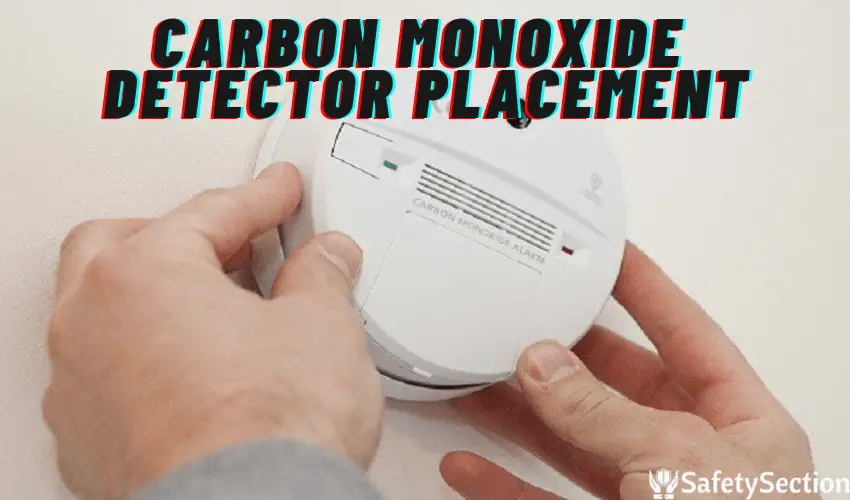
Hey there, safety superstar! Let's chat about something super important but often overlooked: your carbon monoxide detector. It's like the silent superhero of your home, and trust me, you want this hero in all the right places. We're talking about Carbon Monoxide, or CO for short – that sneaky, odorless, colorless, and tasteless gas that can be a real party pooper (and way worse). Basically, it’s the ninja of toxins. You won't know it's there until poof, problems. So, our detectors are like its arch-nemesis, sniffing it out before it causes mischief. No drama, just safety!
So, where does this awesome little gadget hang out to do its best work? Let's break it down, no stress involved.
The Golden Rules of Placement (aka, Where the Heroes Roam)
First things first, let's talk about the absolute must-haves. Think of these as the VIP sections for your CO detector.
Must Read
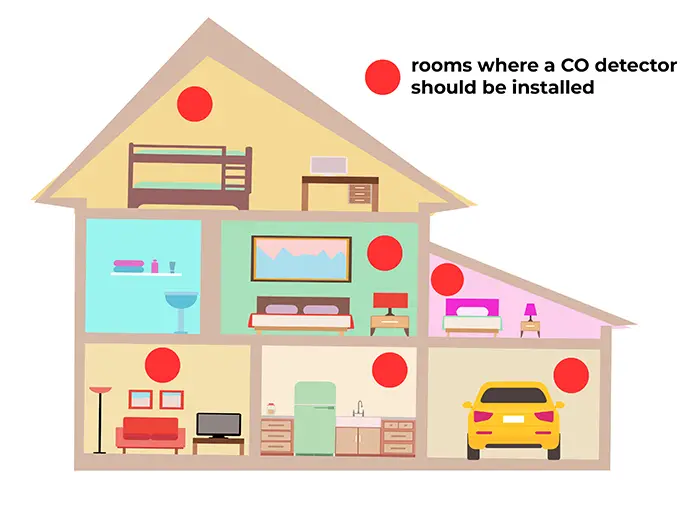
1. Near Every Sleeping Area: This is non-negotiable, folks! Your CO detector needs to be your nocturnal guardian. We're talking inside or immediately outside each and every bedroom. If you've got a master bedroom, a guest room, a kid's room, a teen's lair – each one needs a CO buddy. The golden standard is inside each bedroom. If that's not feasible, then right outside in the hallway that serves those bedrooms is the next best thing. Why? Because you're most vulnerable when you're snoozing, and CO detection is critical when you might not wake up to symptoms.
2. On Every Level of Your Home: Yes, you heard me right! From your cozy living room floor to that slightly spooky basement where your laundry monster lives, and even if you've got a swanky, habitable attic (you fancy thing, you!), pop a detector up there too. CO doesn't care about floor plans; it just wants to spread out. Having one on each level ensures that if CO starts seeping in anywhere, it's caught quickly, no matter where you are in the house.

The "Uh-Oh, Maybe Not There" Zones (aka, Where Not to Put Your Hero)
Okay, now for the 'do not' list, because even superheroes have kryptonite zones. These spots can give your detector a false alarm or, worse, make it less effective when you truly need it.
1. Too Close to Fuel-Burning Appliances: Your furnace, water heater, gas stove, fireplace – these guys sometimes produce a tiny, harmless bit of CO during normal operation. If your detector is practically snuggling them (we're talking closer than 15-20 feet), it might get a little overzealous and shout "Danger!" when it's really just a burp. Give them some space; they need their personal bubble, and so does your detector.
2. In Direct Sunlight or Near Heat Sources: These guys are sensitive! Too much sun or heat (think oven, stove, heating vents) can make them throw a diva fit and not work properly. Imagine trying to concentrate with a spotlight in your eyes – not ideal for detecting invisible gases, right?

3. In Super Damp or Humid Spots: Bathrooms, laundry rooms, or anywhere steam and moisture hang out. Electronics and moisture? Not exactly a love story. It can mess with their wiring and sensors, potentially damaging your superhero.
4. Near Windows or Doors: A breezy open window or a frequently opened door can dilute the CO concentration near the detector. This means it might miss a real threat because a draft is literally blowing the evidence away. We want it to detect the actual air in the room, not just a passing breeze.
5. In "Dead Air" Spaces: Behind thick curtains, behind big furniture, or tucked into a forgotten corner. CO needs to be able to reach the sensor easily. Think open, accessible spots where air can circulate freely. If it's hidden, it can't do its job effectively.
6. Near Vents, Fans, or Air Returns: Similar to windows and doors, strong air currents from these can mess with the air flow around the detector, giving you inaccurate readings. We want honest, still-air readings, please!
Height Matters (A Little Bit!)
Now, for the height. Unlike smoke detectors that love the ceiling (smoke rises, you see), CO mixes with air pretty evenly. So, for a standalone CO detector, aiming for roughly 5 feet from the floor (that's about eye level for many of us) is generally a good sweet spot. Not too low where Fido might chew it, not too high where you need a ladder to test it.

If you have a combo smoke/CO detector, then generally, you'll follow the smoke detector rules and put it high up on the wall or ceiling. This is because smoke detection is often prioritized for placement with these dual units.
A Quick Reminder: Test and Replace!
Don't forget to press that 'test' button once a month! It's like giving your superhero a little pep talk, making sure they're awake and ready for action. And change those batteries according to the manufacturer's instructions – usually when it chirps dramatically for attention (or replace the whole unit every 5-7 years, as sensors expire!).
Phew! That's a lot of detector talk, but seriously, it's the kind of talk that keeps your home safe and sound. A few well-placed detectors are like having tiny, tireless guardians watching over your family, day and night. It's a small investment for huge peace of mind. So go forth, place those detectors with confidence, and enjoy the blissful peace of mind knowing you've taken a vital step to protect your loved ones. You've totally got this, safety champ! Now, go grab a snack; you've earned it!