
Carbon Dioxide Lighter Or Heavier Than Air
Ever seen a spooky fog spill over the edge of a witch's cauldron, or a barman creating a dramatic smoky cocktail? That mysterious, clinging vapor is often the result of dry ice, which is solid carbon dioxide. But have you ever stopped to wonder why it flows downwards like a liquid, rather than gracefully floating away? The answer lies in a simple, yet fascinating, scientific fact that's more useful than you might think: carbon dioxide is heavier than the air we breathe.
This isn't just a quirky piece of trivia; understanding the density of CO2 has real-world implications for safety, science, and even a bit of fun. Knowing that CO2 likes to hug the ground helps us make sense of everything from how fire extinguishers work to why certain safety measures are put in place in breweries or cellars. It’s a foundational concept that explains some surprising phenomena around us every day, giving you a deeper appreciation for the invisible world of gases.
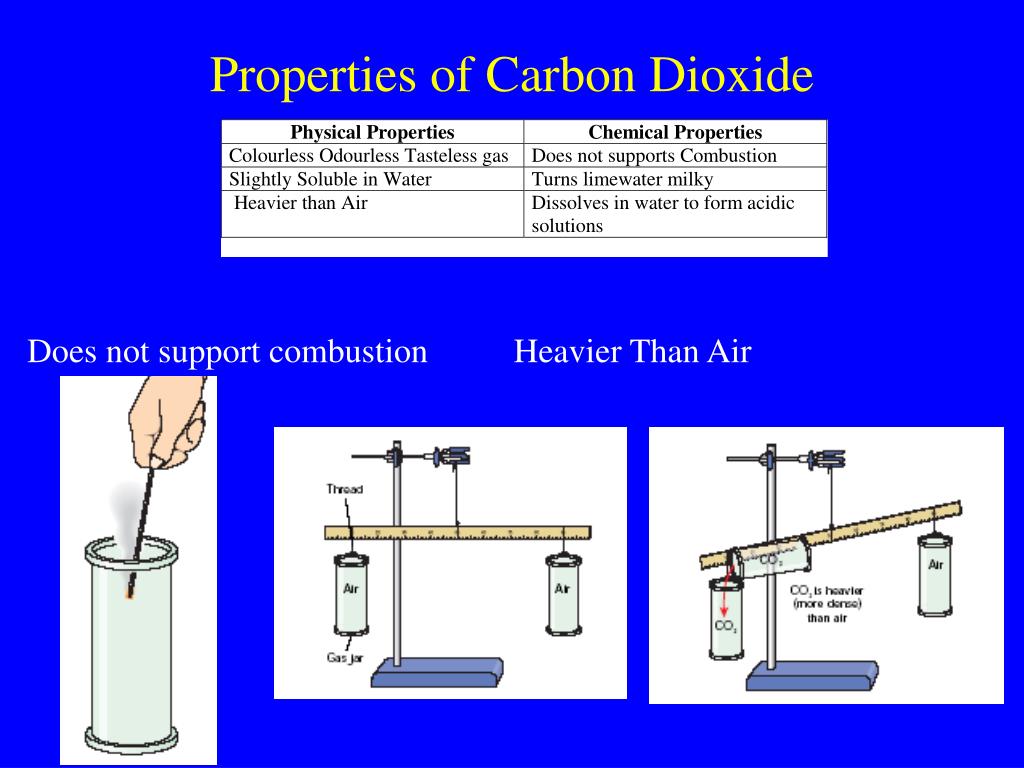
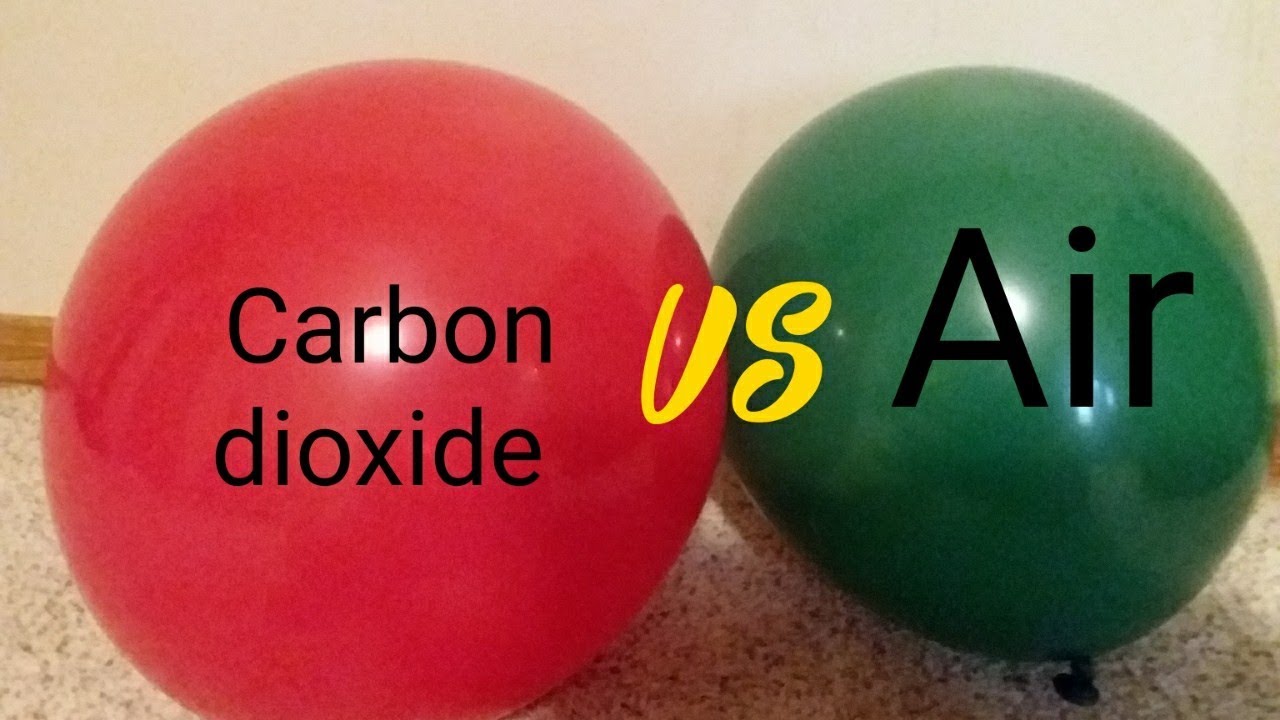
So, let's dive into the "why." Air, as we know it, is a mixture of gases, primarily nitrogen (about 78%) and oxygen (about 21%). Carbon dioxide, on the other hand, is a compound made of one carbon atom and two oxygen atoms. Because a CO2 molecule is significantly larger and heavier than the average nitrogen or oxygen molecule found in air, a given volume of pure carbon dioxide will weigh more than the same volume of air. This extra weight causes it to sink.
Must Read
Think about a helium balloon – it floats because helium is much lighter than air. CO2 is the opposite; it's like a tiny, invisible bowling ball compared to air's lighter beach balls. This property makes CO2 incredibly useful in certain situations. For instance, when you see a fire extinguisher spraying out a white cloud, it's often releasing CO2. Because the CO2 is heavier, it falls and creates a blanket over the fire, effectively smothering it by displacing the oxygen that the flames need to survive. It literally chokes the fire out!
This same principle also explains the dramatic effects of dry ice. As solid CO2 warms up, it "sublimes" directly into a gas, bypassing the liquid phase. Since this CO2 gas is heavier than the surrounding air, it doesn't just dissipate upwards. Instead, it cascades downwards, often mixed with condensed water vapor from the air, creating those theatrical, ground-hugging fog effects seen in movies, concerts, or even during Halloween parties. It's truly a spectacle of density in action.
On a more serious note, this density also highlights a crucial safety concern. In enclosed spaces like poorly ventilated cellars, fermentation tanks in breweries, or even deep pits, CO2 can accumulate and displace oxygen. Because it sinks, it can create invisible pools of gas near the floor. If a person enters such an area without proper ventilation or monitoring, they could quickly be overcome by lack of oxygen, even if the air above their head seems fine. This is why proper ventilation and gas detectors are crucial in these environments, ensuring that heavier gases like CO2 don't pose a hidden threat.
So, the next time you see that dramatic dry ice fog, or spot a CO2 fire extinguisher, you'll know exactly why they behave the way they do. It's all thanks to the humble carbon dioxide molecule, doing its part to be just a little bit heavier than air, making our world safer, more understandable, and sometimes, a whole lot more theatrical!


