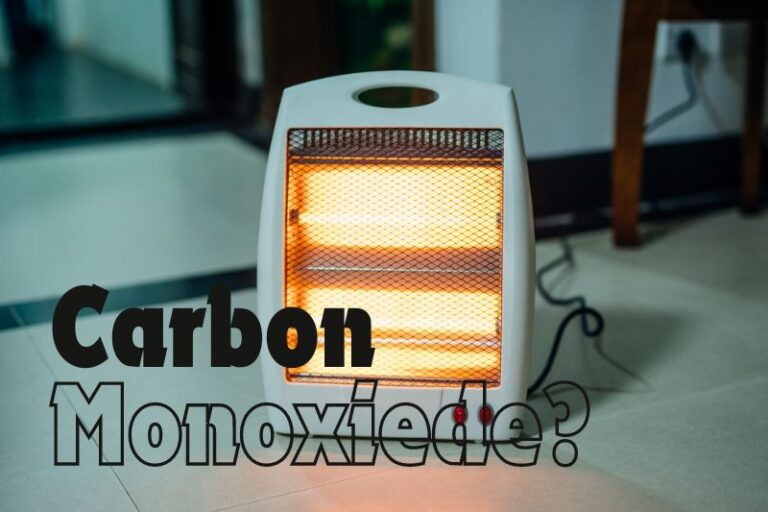
Can Electric Stove Cause Carbon Monoxide
Ever stood in your kitchen, mid-sizzle, and had a random thought pop into your head like a surprise pop quiz? Perhaps something like, "Wait a minute, can my electric stove actually produce carbon monoxide?" If so, congratulations, you're officially a thoughtful human being who cares about home safety! And guess what? You're not alone. It's a surprisingly common question, and today, we’re going to tackle it with an upbeat, worry-free vibe, because honestly, knowledge is power, and power makes life fun!
The Big Reveal: Electric Stoves and CO
Alright, let’s get right to the good stuff, shall we? Drumroll, please… The answer is a resounding, joyful, and completely reassuring NO! Your electric stove does not, cannot, and will not produce carbon monoxide. Period. Full stop. Breathe a sigh of relief, my friend!
Why, you ask? Because understanding the "why" is where the real fun begins! Carbon monoxide (CO) is a by-product of combustion. Think about it: when something burns – like wood, natural gas, propane, gasoline, charcoal – it uses oxygen and, if the combustion isn't complete, it can release this invisible, odorless, and highly dangerous gas.
Must Read
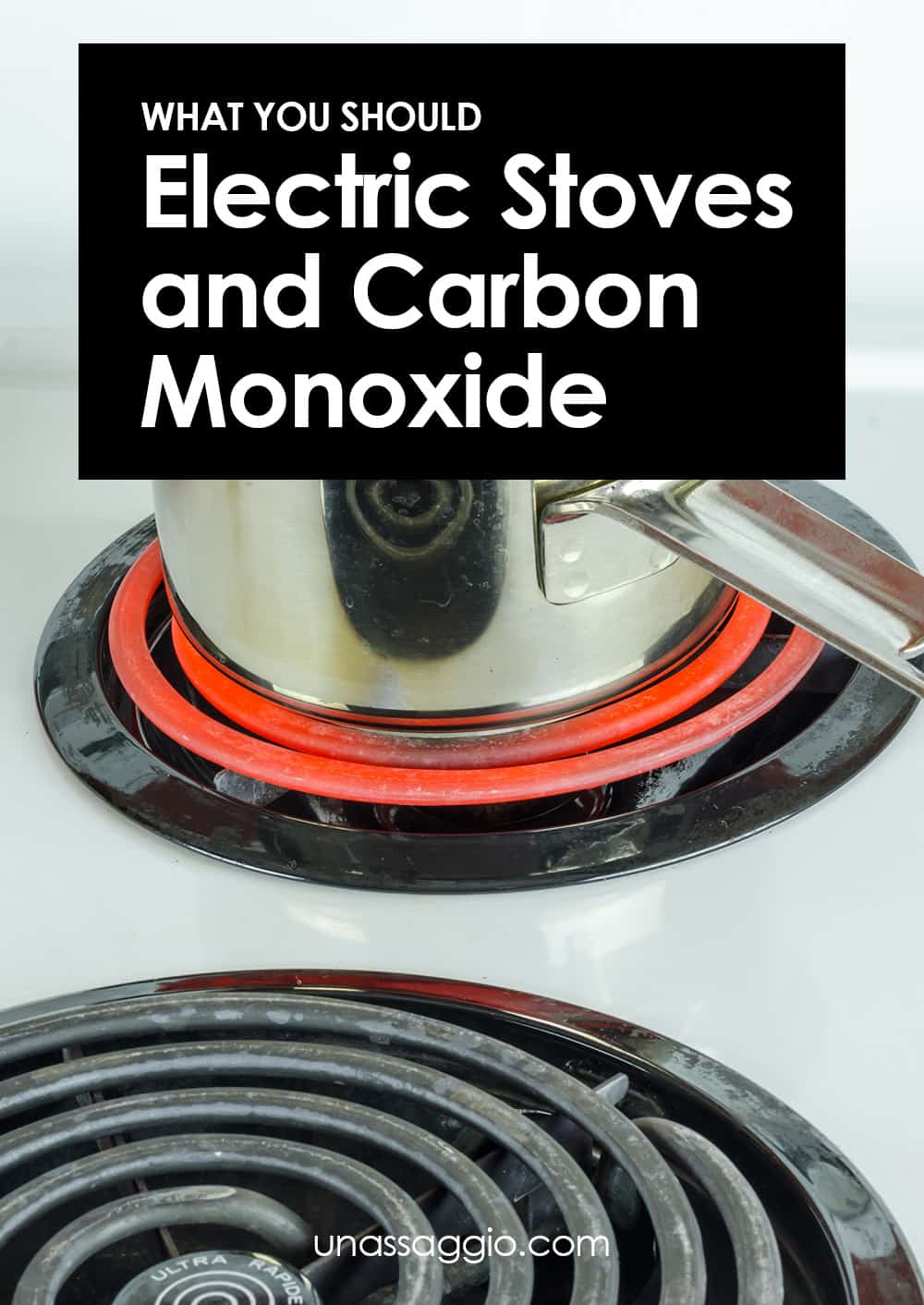
But your electric stove? It works by using electricity to heat a coil or a ceramic surface. There's no flame, no burning fuel, no combustion happening whatsoever. It’s simply converting electrical energy into heat energy. It’s like a super-efficient, super-safe heat-generating machine. So, rest easy knowing your electric stovetop isn't stealthily pumping out any CO into your culinary haven.
A Quick Detour: Gas Stoves and CO
Now, just to be super clear and empower you with even more awesome knowledge, let’s briefly chat about gas stoves. Because they do burn natural gas or propane, they absolutely can produce carbon monoxide. That’s why proper installation, regular maintenance, and excellent ventilation are absolutely crucial for homes with gas appliances. If you have a gas stove, please make sure your range hood is always doing its job, and that the stove itself is well-maintained and burning with a clear, blue flame. (Yellow or orange flames can be a sign of incomplete combustion and potential CO production!)
Why This Knowledge Makes Life More Fun!
Okay, so you know your electric stove is CO-free. Big deal, right? Actually, it is a big deal!
First, it gives you peace of mind. Imagine cooking your favorite lasagna or whipping up a batch of pancakes without that tiny, nagging "what if?" in the back of your mind. You can focus purely on the joy of creating delicious food, the aroma filling your kitchen, and the happy faces of those you're feeding. That's a huge win for kitchen confidence!
Second, it’s about empowerment. Knowing the difference between electric and gas appliances, and understanding the science behind CO, makes you a more informed homeowner. You can confidently answer questions from friends, feel more secure in your choices, and just generally navigate the world with a little more swagger. Who knew kitchen safety could be so empowering?
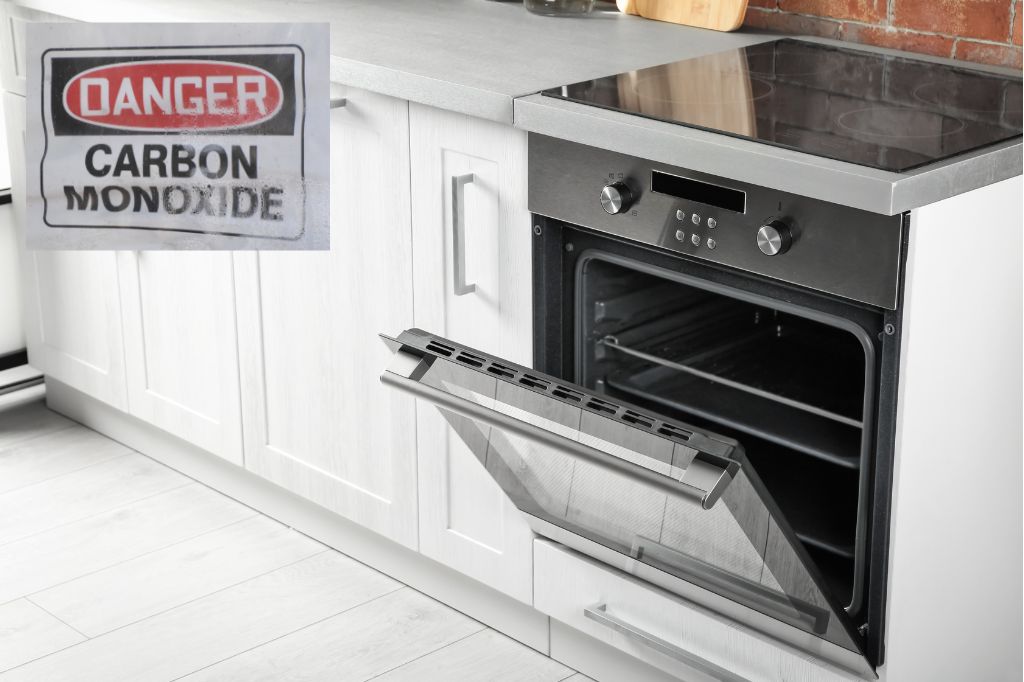
Third, it opens the door to focusing on other fun kitchen activities! Instead of worrying about invisible gases, you can now channel that energy into perfecting your soufflé, trying out a new exotic recipe, or perhaps finally tackling that sourdough starter you’ve been dreaming about. Your kitchen becomes a pure zone of culinary adventure, free from unnecessary CO concerns related to your electric hob.
Beyond the Stove: A Broader Look at CO Safety
While your electric stove is off the hook for CO, it’s super important to remember that carbon monoxide can come from other sources in your home. We're talking about things like furnaces, water heaters, fireplaces, wood-burning stoves, clothes dryers, and even generators if they're too close to the house. Any appliance that burns fuel has the potential to produce CO.

That’s why, no matter what kind of stove you have – electric or gas – having functioning carbon monoxide detectors on every level of your home is non-negotiable. These little heroes are like silent guardians, constantly sniffing the air and ready to alert you if CO levels become unsafe. They're inexpensive, easy to install, and truly life-saving. Test them regularly, just like your smoke detectors!
Your Kitchen, Your Sanctuary, Your Fun Zone!
So there you have it! The mystery of the electric stove and carbon monoxide is solved, leaving you with clarity, confidence, and maybe even a little chuckle. Your electric stove is a safe, reliable, and CO-free companion in your culinary adventures.
Knowing this simple fact isn’t just about safety; it’s about transforming your kitchen into an even more enjoyable, worry-free space. It's about empowering you to be an informed, proactive homeowner who understands how their appliances work. So go forth, cook with joy, and let this little nugget of knowledge inspire you to learn even more about keeping your home happy, healthy, and humming with positive energy! What other fascinating home safety facts are out there just waiting to make your life a little bit better? Let curiosity be your guide!