
Best Diy Wireless Home Alarm Systems
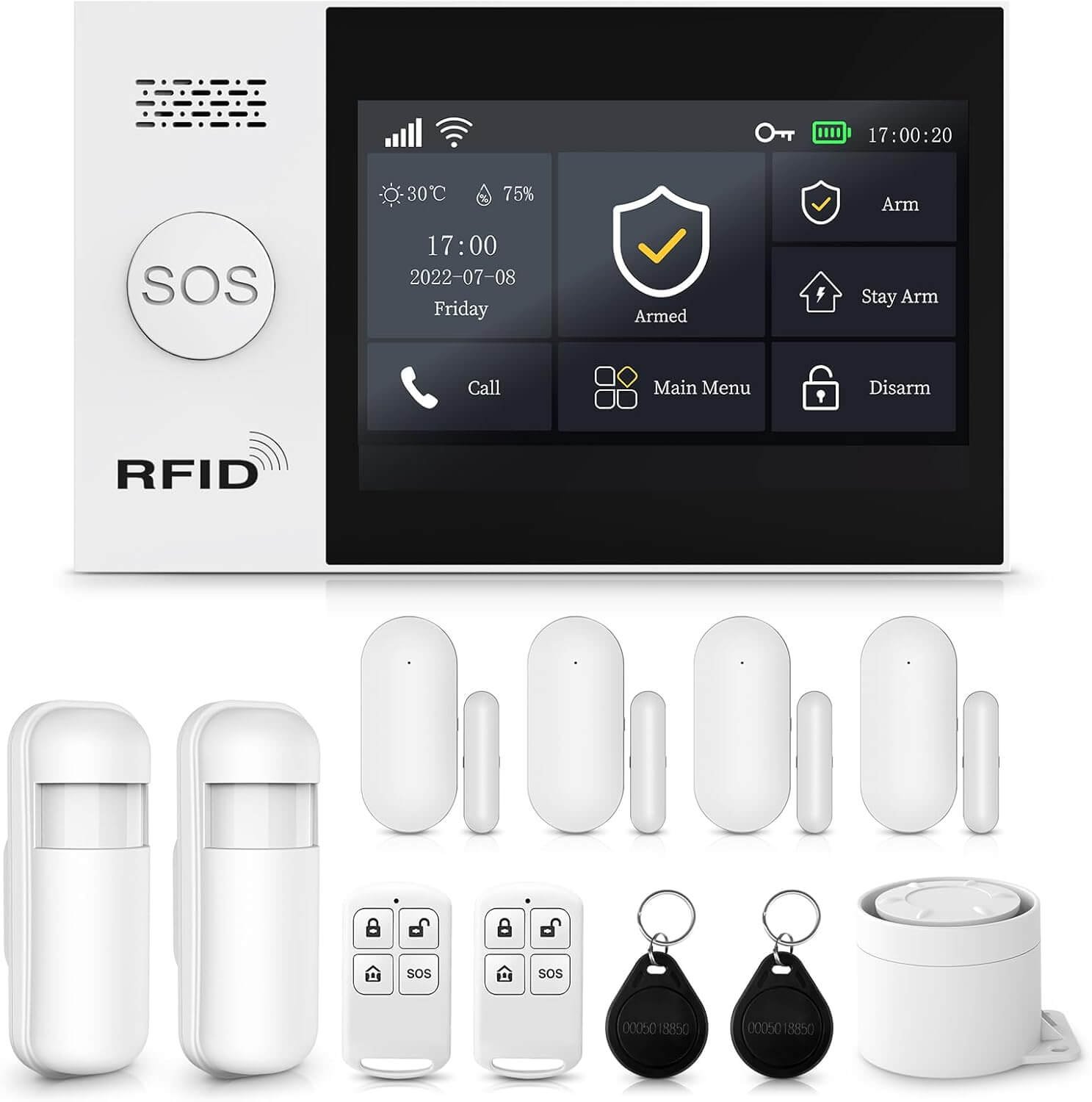
So, picture this: it’s 3 AM. You’re deep in dreamland, probably fighting dragons or winning the lottery, when suddenly, a noise. Not a loud crash, just a subtle, creaking sound from downstairs. Your heart, which moments ago was happily chilling in dream-lotto-land, decides to do an Olympic sprint. You freeze. Every horror movie you’ve ever seen flashes before your eyes. You grab your phone, ready to dial 911, maybe even thinking about that old cricket bat in the garage. Slowly, you creep towards the stairs, every shadow suddenly a potential intruder. You peer down… and there it is. Your cat, Bartholomew, just delicately pushing a forgotten crisp packet across the tiled kitchen floor. Of course.
Anyone else been there? 🙋♀️ You know that feeling of sheer terror quickly transforming into mild annoyance (at Bartholomew, mostly)? But beneath the relief, there's a nagging thought: what if it wasn't Bartholomew? What if it was someone trying to make off with your prized collection of… well, whatever it is you prize? And that, my friends, is exactly where the idea of a home alarm system goes from "nice-to-have" to "seriously, I need this now."
Why DIY Wireless Is the New Cool Kid on the Block
For years, home security meant hefty installation fees, complicated wiring that looked like spaghetti exploded in your walls, and monthly contracts that felt like signing away your firstborn. Not exactly appealing, right? But then, the tech gods smiled upon us, and the world of DIY wireless home alarm systems was born. And let me tell you, it’s a game-changer.
Must Read
We're talking about systems you can install yourself, usually with little more than a screwdriver (sometimes not even that!), and often, a really good instruction manual. No more drilling through studs, no more snaking wires through walls. Just peel, stick, and connect. It's like Lego for grown-ups, but instead of building a spaceship, you're building a fortress. A super smart, app-controlled fortress.
What Makes a DIY Wireless System Sing?
Okay, so you’re convinced. DIY wireless is the way to go. But with so many options, how do you pick the best one for your personal sanctuary? Here's what I've learned from diving headfirst into the security rabbit hole.
Sensors, Sensors, Everywhere!
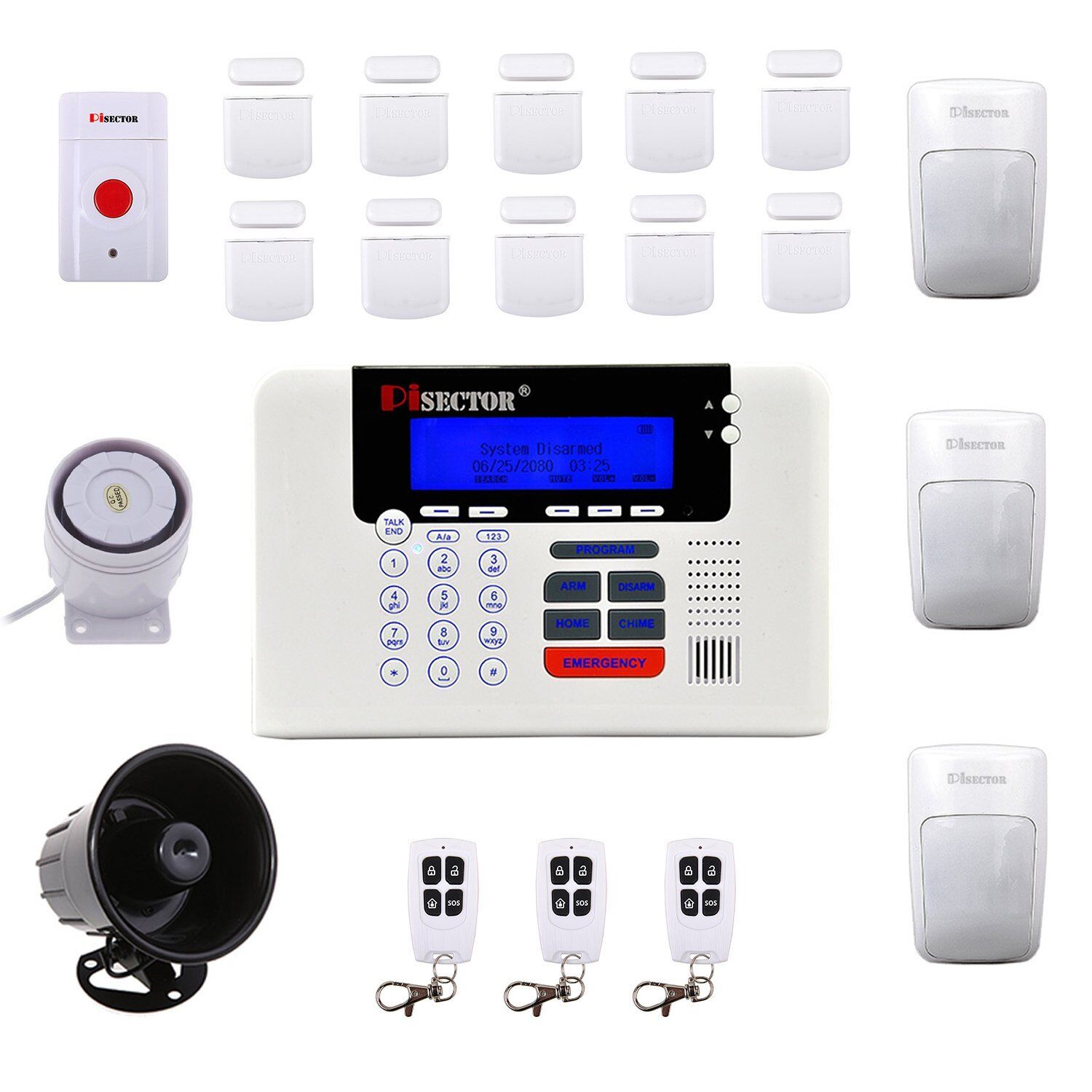
The heart of any good alarm system is its sensors. You'll want a mix:
- Door and Window Sensors: These are your basic perimeter guardians. Someone tries to open a door or window, BAM! alarm triggered.
- Motion Sensors: Great for larger rooms. They detect movement and are often pet-friendly these days (so Bartholomew can still wander around without setting off a false alarm – unless he's really big, then maybe size him up first, eh?).
- Glass Break Sensors: A clever one! These listen for the specific sound frequency of breaking glass. Super effective if someone tries to smash their way in.
- Environmental Sensors: While not strictly "security," many systems integrate smoke, carbon monoxide, or even water leak detectors. Because, let's be real, a flood can be as devastating as a break-in, just with less drama.
Monitoring: Who's Watching the Watchmen?
This is a biggie. Sole monitor, or do you prefer the pros to have your back?

- Self-Monitoring: This usually means you get alerts directly to your phone via an app. You then decide whether to call the police or check your security camera feed. It’s cost-effective and gives you total control, but also means you’re always on call.
- Professional Monitoring: For a monthly fee, a central station monitors your system 24/7. If an alarm goes off, they verify it (often by calling you first) and then dispatch emergency services. It’s the "set it and forget it" option, offering serious peace of mind. Many DIY systems offer this as an add-on, giving you flexibility.
The Smart Home Connection
In today's interconnected world, your alarm system shouldn’t be a lone wolf. Look for systems that play nice with others – think Google Assistant, Amazon Alexa, Apple HomeKit, or even Z-Wave/Zigbee devices. Imagine telling Alexa to "arm the house" as you head out, or having smart lights flash red when the alarm triggers. That’s not just cool, it’s practical.
App Control & Ease of Use
A great system needs a great app. It should be intuitive, allow you to arm/disarm from anywhere, check sensor status, view camera feeds (if you have them), and manage users. Because who wants to wrestle with a clunky interface when you're just trying to make sure you locked the back door from 300 miles away? Not me, and certainly not you, right?

Battery Life & Reliability
Wireless means batteries. Make sure the components have good battery life and that the system notifies you when they're running low. And speaking of reliability, look for a system with a cellular backup. If your Wi-Fi goes down (or gets cut by a sneaky intruder – hey, it happens in the movies!), the cellular connection ensures your system stays online and keeps communicating.
The Takeaway? Your Home, Your Rules.
Choosing the best DIY wireless home alarm system is all about understanding your needs, your budget, and your comfort level. It’s about taking control of your home’s security without feeling like you need an engineering degree or an unlimited budget.
So go ahead, empower yourself! Arm your home, scare off potential Bartholomew-impersonators, and get back to those lottery-winning dreams. Because with the right system, that 3 AM scare can genuinely become a thing of the past. Who wouldn't want that?
:max_bytes(150000):strip_icc()/71x6h3XbW6L._AC_SL1500_-0154e5c0cbc84d1e8e92c128a0a91af3.jpg)