
Where Can Carbon Monoxide Come From In A House
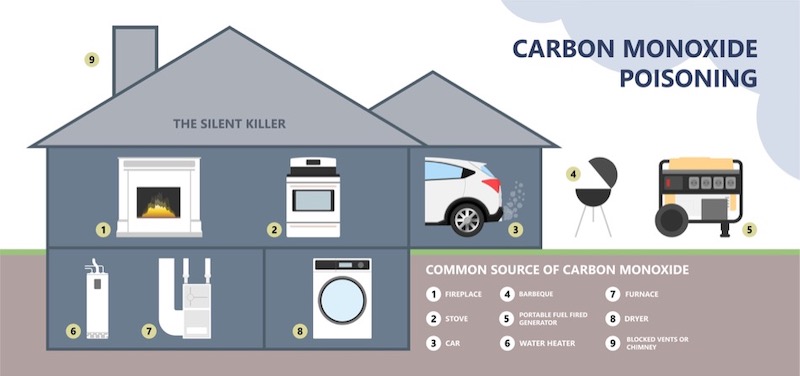
Imagine a silent, invisible guest in your home. This guest doesn't make a sound, has no smell, and leaves no trace, yet it can be incredibly dangerous. We're talking about carbon monoxide, often called the silent killer.
It's not a monster hiding under your bed, but rather a sneaky gas that can pop up from some surprising places. Understanding where it comes from is your first step to being a super sleuth and keeping your home safe. It’s like knowing the secret hideouts of a mischievous sprite!
The Usual Suspects: Appliances That Burn Fuel
Most of the time, carbon monoxide is a byproduct of things burning fuel. Think of anything in your house that creates a flame or heat using gas, oil, wood, or propane. When these things don't burn their fuel completely, CO can be released.
Must Read
It’s a bit like a fire trying to breathe without enough fresh air. It gets choked up and releases this unseen gas. Let's peek into some common household spots.
Your Cozy Furnace or Boiler
Your furnace works hard to keep your home toasty warm, especially during chilly months. Whether it runs on natural gas, propane, or oil, it’s a fuel-burning champ. If it’s not working just right, or its exhaust vent gets blocked, it can start pumping out CO instead of just warm air.
Picture its exhaust system as a chimney for tiny fumes. If that chimney gets clogged with debris or rust, those fumes have nowhere to go but inside your living space. Regular check-ups are like giving your furnace a health inspection.
Warm Showers and Hot Water Heaters
Ah, the joy of a long, hot shower! Your water heater, whether it’s a big tank or a tankless model, also uses fuel to heat up your water. Like the furnace, it needs a clear pathway to vent its exhaust outside. Sometimes, this vital pathway can get blocked.
Perhaps a bird decided to build a nest in the vent, or it's simply rusty and worn out. A faulty water heater can be a subtle source of CO, quietly doing its work while emitting this gas. It's often an overlooked item when people think about CO risks.
Kitchen Companions: Stoves and Ovens
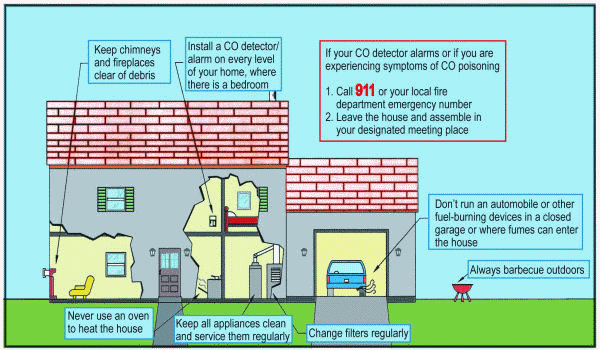
Your gas range or oven is fantastic for whipping up delicious meals. But did you know it can also be a source of CO? If the burners aren't working efficiently, maybe the flame isn't its usual crisp blue, it could be a sign of incomplete combustion.
This is especially true if someone uses a gas oven to heat their home, which is a big no-no. Ovens are designed for cooking, not for space heating, and leaving them on for extended periods can cause dangerous CO levels to build up quickly. Always use them for their intended purpose!
Fireside Fun: Fireplaces and Wood Stoves
There's nothing quite like the crackle of a fire in a fireplace or a cozy wood stove. But these charming features can also be sources of CO if not properly maintained. A blocked chimney, a closed or improperly set damper, or even a build-up of creosote can cause smoke and CO to back up into your home.
"A clear chimney is a safe chimney!"
Think of your chimney as the essential exhaust pipe for your fireplace. If it’s not clean and clear, those lovely flames can become a hazard. Make sure it's regularly inspected and swept, so your indoor fires stay delightful and safe.
Gas Clothes Dryers
Your gas clothes dryer uses a lot of heat to get your laundry fluffy and dry. This heat comes from burning fuel, and like all other fuel-burning appliances, it produces exhaust. This exhaust needs to be vented properly to the outside through a dedicated duct.
A common culprit for CO issues with dryers is a blocked or disconnected dryer vent. Lint can build up over time, or the hose might get crushed behind the machine. When the exhaust can’t escape, it can start seeping into your home, bringing CO along for the ride.

Portable Pals: Space Heaters
When you need a quick boost of warmth in a specific room, a portable space heater can seem like a convenient solution. However, many types of space heaters, especially those that run on kerosene, propane, or natural gas, are major potential CO sources.
These heaters burn fuel directly in your room, and if they lack proper ventilation or are used in an enclosed space, they can rapidly deplete oxygen and release a lot of carbon monoxide. Always check if your space heater is rated for indoor use and follow all safety instructions. Never use outdoor-only models inside.
Engines Roaring (and Idling!)
It's not just your home's fixed appliances that can produce CO. Anything with an engine that burns fuel creates exhaust, and that exhaust always contains carbon monoxide. This means even things we usually associate with the outdoors can become indoor risks.
The Garage Getaway: Cars and Trucks
Running a car, truck, or motorcycle in an attached garage, even for a short time, can be incredibly dangerous. The exhaust from these vehicles contains very high levels of carbon monoxide. This gas can quickly fill the garage and then seep into your home through open doors, windows, or even cracks in the walls.
Never warm up your car inside the garage, even if the garage door is open. It’s a habit many people have, but it's an incredibly risky one. The gas spreads silently and quickly, making it a very serious threat. "Run your car outside!" is a golden rule.
Power Outage Protectors: Generators
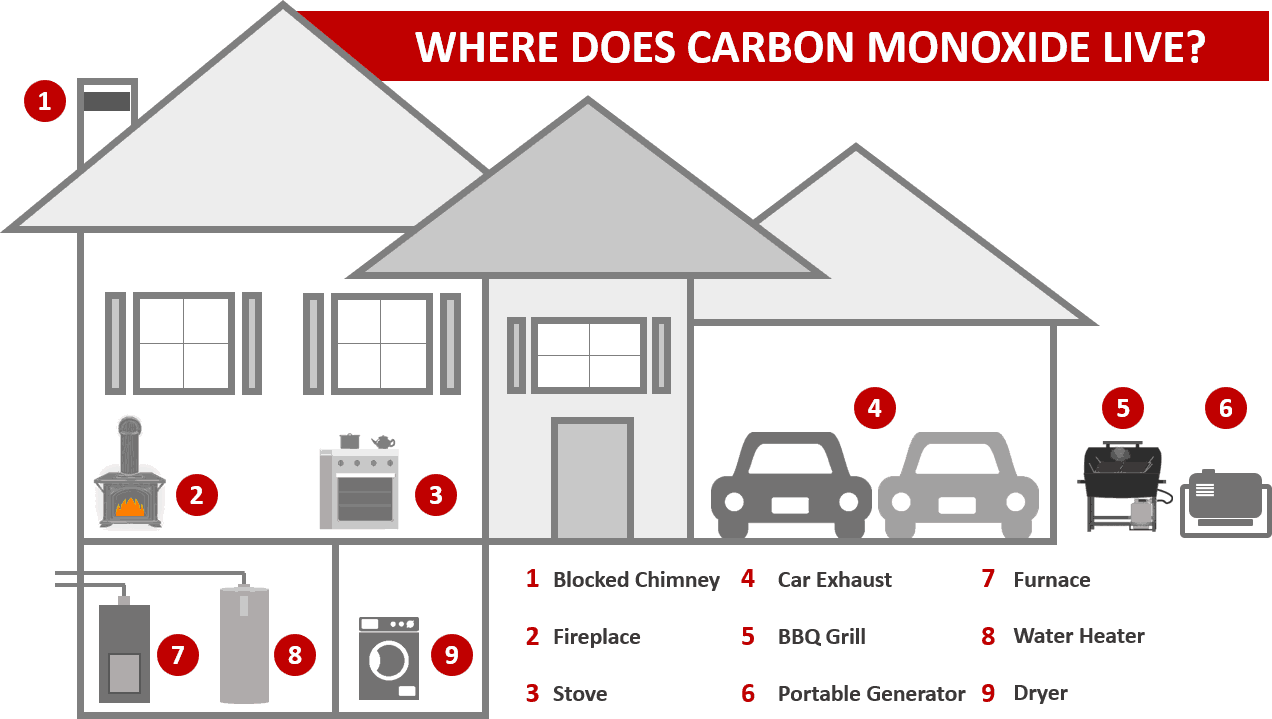
Portable generators are lifesavers during power outages, providing electricity when you need it most. However, they are also powerful producers of carbon monoxide. They absolutely, positively, must be used outdoors only.
Placing a generator too close to a window, door, or vent can allow CO to drift into your home. Always keep them a good distance away from your house, ideally 20 feet or more, with the exhaust pointing away. Don't let your emergency power source create another, more dangerous emergency.
Outdoor Chores: Lawn Mowers and Snow Blowers
After a long winter, pulling out the lawn mower can signal the start of spring. Similarly, a snow blower makes clearing the driveway a breeze. But these small engines, like bigger ones, produce CO. Starting or running them in an enclosed shed or garage is a definite no-go.
Even refueling them in an enclosed space can be risky if there's any lingering exhaust. Always do these tasks outside in the fresh air. Your lungs will thank you!
The Outdoor Party That Moved Inside
Sometimes, the line between outdoor and indoor activities blurs, and that's when carbon monoxide can sneak in. Certain items are strictly for outdoor use, and bringing them inside, even briefly, can create a serious hazard.
BBQ Blunders: Grills (Charcoal and Gas)
A rainy day might tempt you to move your charcoal or gas grill into the garage or porch to cook. Please, resist this urge! Grills, especially charcoal grills, produce massive amounts of carbon monoxide. They are designed for open-air use for a very good reason.
Even bringing a charcoal grill inside to cool down after use can be dangerous. The embers continue to produce CO long after the flames are gone. Keep your grilling outside, where the fresh air can safely disperse the gas.
Handy Helpers: Gas-Powered Tools
From pressure washers to chainsaws, many powerful tools are gas-powered. While incredibly useful, they should only ever be operated outdoors. Running them inside a workshop, basement, or garage without extremely robust ventilation is an invitation for CO trouble.
These tools, just like car engines, produce a significant amount of exhaust. Always prioritize fresh air when using them. It's not worth the risk of breathing in those unseen fumes.
The Bottom Line: Be a CO Detective
So, where can carbon monoxide come from? Essentially, any device that burns fuel can be a source if it’s not working correctly, maintained properly, or used in an enclosed space. It’s not about fear, but about being aware and proactive.
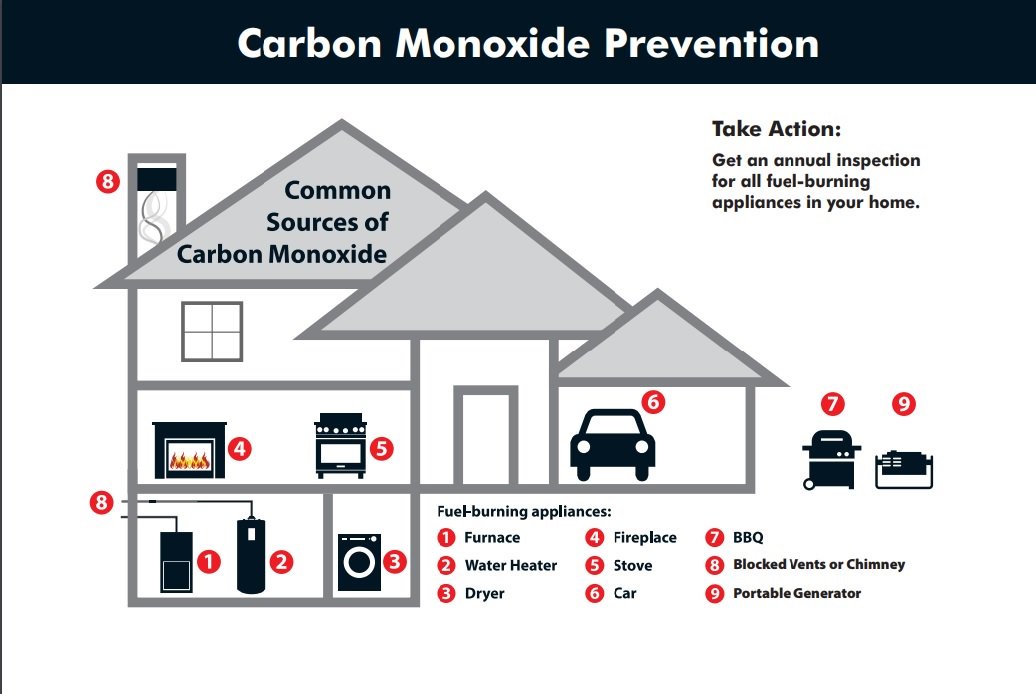
The best tool in your CO detective kit is a working carbon monoxide detector. These little heroes listen for the silent guest and will sound an alarm if CO levels become dangerous. Install them near sleeping areas and on every level of your home.
Regular maintenance for all your fuel-burning appliances is also key. Have a qualified professional inspect your furnace, water heater, and chimney annually. A little preventative care goes a long way in keeping your home safe from this invisible intruder. Stay curious, stay safe!