Are Drive In Movie Theaters Profitable
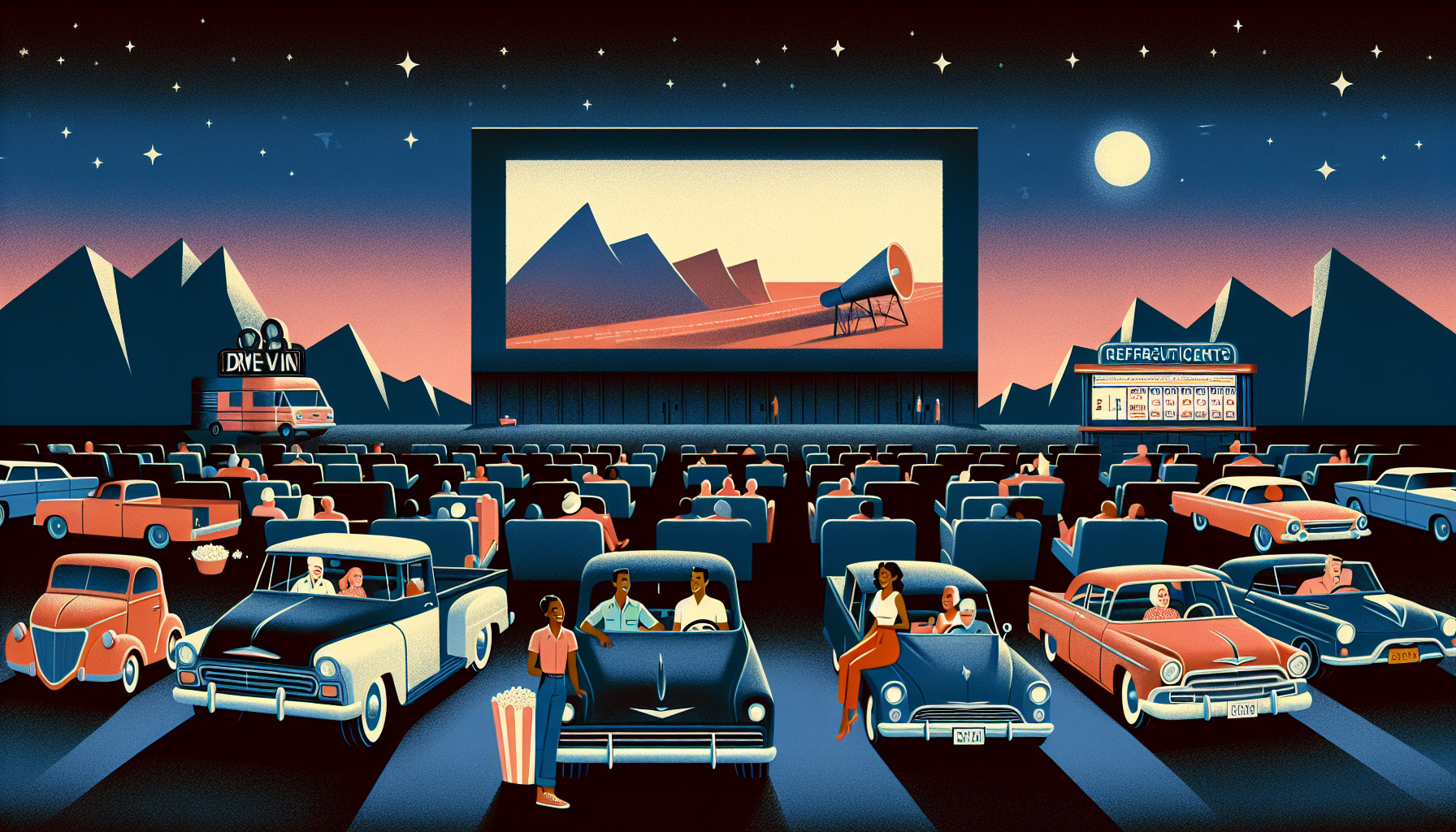
Remember the last time you did something truly retro? Something that felt like stepping back into a simpler, more whimsical time? For many, drive-in movie theaters evoke that exact feeling. They're more than just a place to watch a film; they're an experience, a date night with a dash of nostalgia, a family outing under the stars. But in today's world of streaming services and massive multiplexes, a curious question arises: are drive-in movie theaters still profitable? It's a fun and relevant question to ponder because it touches upon themes of entrepreneurship, adapting to changing trends, and the enduring power of unique experiences.
The purpose of a drive-in is simple: to offer a movie-watching experience outside of the traditional cinema. But the benefits are multifaceted. Drive-ins offer a sense of community. They often host events, concerts, and other gatherings, fostering a local hub. They provide a more relaxed and casual atmosphere than indoor theaters. You can talk (quietly!), bring your own snacks (sometimes!), and generally feel less constrained. This is particularly attractive to families with young children or anyone who prefers a less formal setting. Furthermore, drive-ins often offer double features, providing more value for your money. It's an exercise in finding a business model that works outside the box, or rather, outside the building.
While not strictly educational in the traditional sense, drive-ins can be used in educational settings. Imagine a history class watching a movie relevant to their studies projected onto a giant screen under the stars. It's a memorable and engaging way to learn. Similarly, language classes could utilize drive-ins to screen foreign films, providing a cultural immersion experience. In daily life, drive-ins provide an affordable and accessible entertainment option. They're perfect for date nights, family outings, or even just a solo evening under the stars with a good film. Furthermore, they provide a venue for local businesses to advertise and connect with their community, as many drive-ins show pre-movie ads from local sponsors.
Must Read
So, back to the original question: are they profitable? The answer is complex and depends heavily on location, management, and the ability to adapt. The initial investment in land and equipment is substantial. Maintaining the technology – the projector, the sound system (whether through individual speakers or radio broadcast) – requires ongoing costs. Also, drive-ins are, by nature, seasonal businesses in many climates. However, many drive-ins have found creative ways to thrive. Some have added mini-golf courses, arcades, or food trucks to generate additional revenue. Others have embraced technology, offering online ticket sales and using social media to promote events. The key is to offer more than just a movie; it's about selling an experience.
Interested in exploring the world of drive-ins? A simple way to start is to research if there are any near you. If so, visit one! Experience it firsthand. Talk to the owners or staff. See what makes their drive-in unique. Look online for articles and documentaries about the resurgence of drive-in theaters. Many communities are actively working to preserve these nostalgic treasures. Ultimately, the profitability of drive-in theaters hinges on their ability to adapt, innovate, and capture the hearts of audiences seeking a unique and memorable entertainment experience. The fact that some are not only surviving, but thriving, suggests that the drive-in experience, with its blend of nostalgia and innovation, still has a significant role to play in the entertainment landscape.