
Why Is My Thermostat Blinking Heat On

Picture this: It’s a chilly evening, the kind where you instinctively reach for your coziest blanket and maybe even contemplate brewing a mug of something warm. You glance at your thermostat, expecting to see a steady, reassuring number, but instead, it’s flashing! Specifically, you see that little heat-on indicator, blinking away like a tiny, urgent beacon. What gives? Is your home trying to send you a secret message in Morse code, or is it just having a moment?
Relax, take a deep breath, and maybe grab that blanket. More often than not, a blinking "heat on" light is your thermostat (and your heating system) just doing its job. It’s a bit like your car's engine light briefly flashing when you start it up – a quick self-check, a moment of deliberation, before it gets down to business. But let's dive into the fascinating, yet surprisingly simple, world of why your trusty home comfort commander might be flashing at you.
The Blinking Truth: Why Your Thermostat Takes a Moment
At its core, a blinking heat indicator usually signifies a delay. This isn't your system being indecisive; it’s a smart, protective measure designed to keep things running smoothly and extend the life of your heating equipment. Think of it as your furnace or heat pump taking a mindful pause, a deep breath before it springs into action.
Must Read
There are a few star players behind this deliberate delay:
1. Preventing Short Cycling (The HVAC Villain):
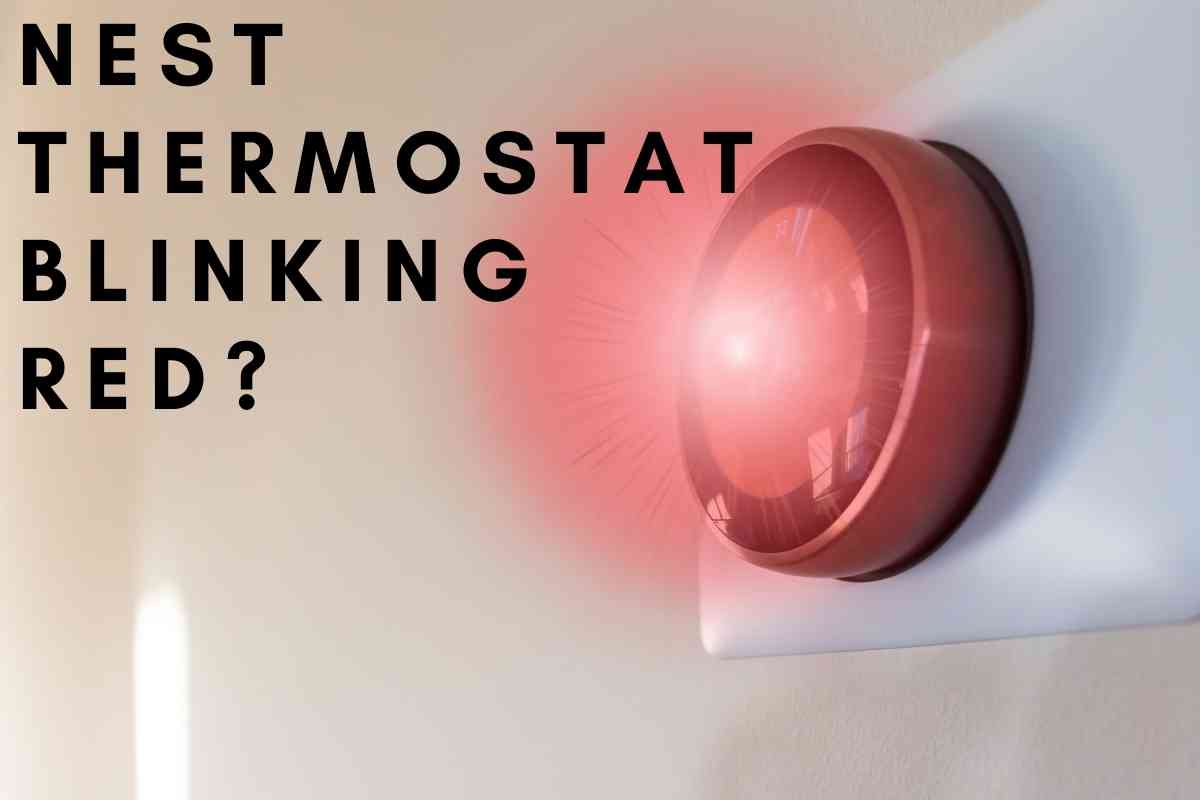
Imagine your furnace turning on and off rapidly, like a frantic game of musical chairs. This is "short cycling," and it's terrible for your system. It causes excessive wear and tear, wastes energy, and can lead to costly repairs down the line. To prevent this, most modern thermostats have a built-in minimum off-time delay. This means if your heating system just finished a cycle, it needs a few minutes (usually 3-5, but sometimes up to 10) to "rest" before it can kick back on, even if the temperature drops again. The blinking light is your signal that it's in this cool-down period.
2. Protecting the Compressor (Especially for Heat Pumps):
If you have a heat pump (a super-efficient system that can both heat and cool), the blinking light often points to the compressor delay. The compressor is the heart of a heat pump, and it's a sensitive piece of equipment, especially when switching between heating and cooling modes, or when trying to restart in very cold weather. Starting and stopping too quickly can damage it. So, your thermostat imposes a delay to allow pressure to equalize within the system, safeguarding that vital component. It's like letting your car's engine warm up for a moment before hitting the highway.
3. Auxiliary Heat Engagement:
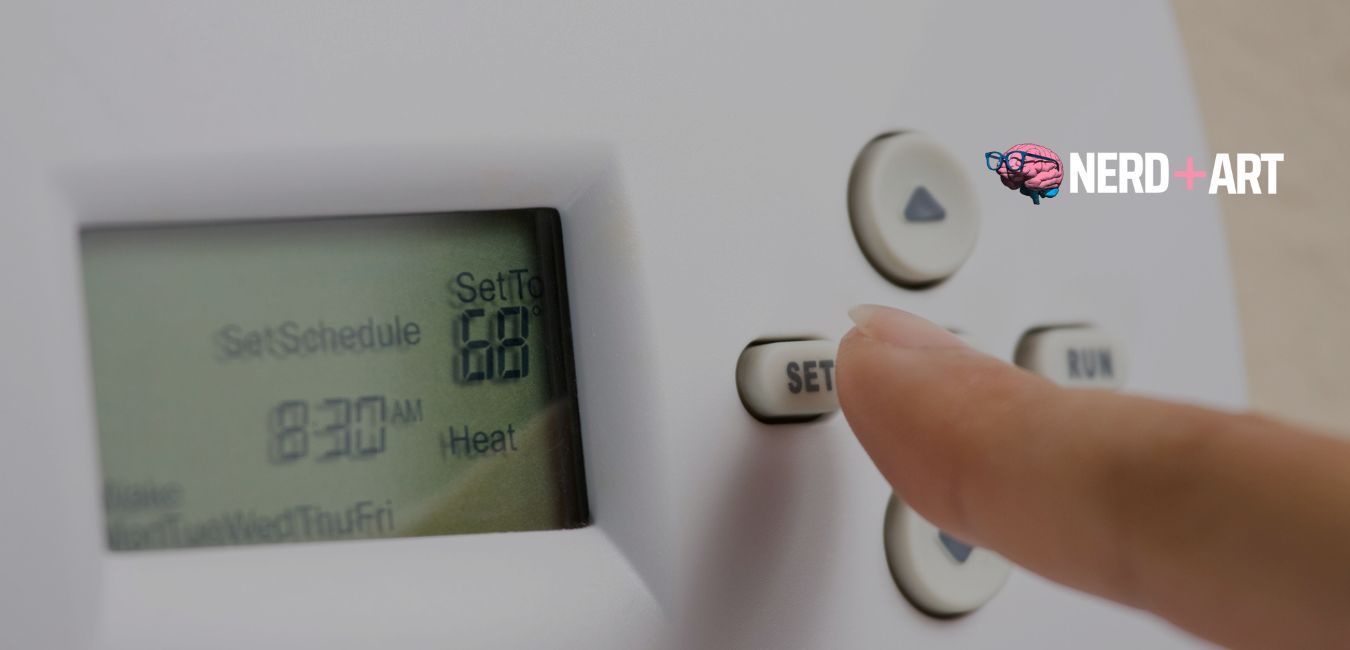
For heat pump owners, the blinking light might also coincide with the activation of auxiliary or emergency heat. In colder climates, when the ambient temperature drops significantly, your heat pump might struggle to keep up. That's when your auxiliary heat (often electric resistance coils, similar to a giant toaster oven) kicks in to give it a boost. The blinking could indicate the system is determining if it needs that extra help, or simply that it's transitioning between the main heat pump and the auxiliary heat. It's your system's way of saying, "Okay, time for the big guns!"
Is My Blinking Friend Normal, or Should I Call for Backup?
Most of the time, a blinking "heat on" light is perfectly normal and nothing to worry about. It's a sign that your system is intelligently managing itself. It should blink for a few minutes and then either stop blinking as the heat kicks in, or go solid once the delay is over and it's actively heating.
When to Pay a Little More Attention:
- If the light blinks continuously for a very long time (say, more than 10-15 minutes) and your heat never actually turns on.
- If you notice the light blinking, but no warm air is coming out of your vents.
- If you see a blinking light accompanied by an error code on your thermostat display.
- If this is a new behavior for your system and it's happening frequently.
Practical Tips for a Smooth-Running Home:
Knowledge is power, and a little proactive maintenance goes a long way!

1. Patience, Young Padawan: Give your system a few minutes. Grab a cup of tea, scroll through your social feed, or admire your houseplants. It often resolves itself.
2. Check Your Air Filter: A dirty air filter is the number one culprit for many HVAC woes. A clogged filter restricts airflow, making your system work harder and potentially causing it to short cycle or malfunction. It's like trying to run a marathon with a clothespin on your nose! Aim to change it every 1-3 months, especially if you have pets or allergies.
3. Thermostat Batteries: A simple, often overlooked solution! Low batteries can cause erratic behavior. Most smart thermostats will alert you, but older models might just act weird.
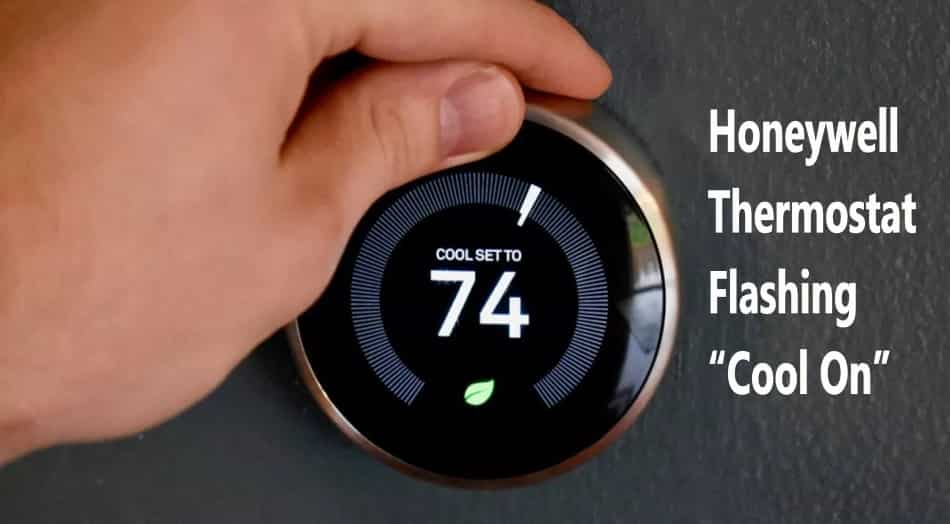
4. Circuit Breaker Check: Sometimes, the circuit breaker for your furnace or heat pump might have tripped. A quick flip off and on (with caution!) can reset it. Just be sure to find the right breaker!
5. Know Your System: Is it a furnace or a heat pump? Understanding what kind of heating system you have can help you better interpret its signals. Your user manual is your secret weapon!
6. When in Doubt, Call a Pro: If the blinking persists, there’s no heat, or you hear strange noises, it's time to call in the HVAC cavalry. A professional can diagnose underlying issues and ensure your system is running safely and efficiently. Think of it as a wellness check for your home's lungs!
A Little Reflection on Home Comfort
In our increasingly smart homes, understanding the subtle cues of our appliances, like a blinking thermostat, can bring a surprising amount of peace of mind. It’s not just about a technical issue; it's about the comfort and warmth that allows us to truly relax and thrive within our personal sanctuaries. So, the next time that little light starts blinking, you'll know it's not a cry for help, but rather a sophisticated system thoughtfully working behind the scenes to keep your haven cozy and inviting. And isn't that a wonderfully reassuring thought?