
How To Know If Carbon Monoxide Alarm Is Working

Hey there, coffee buddy! Pull up a chair. So, we're chatting about something kinda serious today, but we'll keep it light, I promise. We're diving into that little gadget on your wall or ceiling that you probably don’t think about much… your carbon monoxide alarm. You know, the silent hero?
Because, let's be real, carbon monoxide (CO) is a sneaky little villain. It’s odorless, colorless, tasteless… basically, it's the ultimate ninja of dangerous gases. Your CO alarm is your nose and your ears when you can't be.
But here’s the million-dollar question: how do you actually know it’s working? I mean, it just sits there, looking all innocent. Is it just a fancy paperweight until doom strikes? Nah, we gotta check! Let’s get into it, shall we?
Must Read
The Big Red Button (or whatever color!)
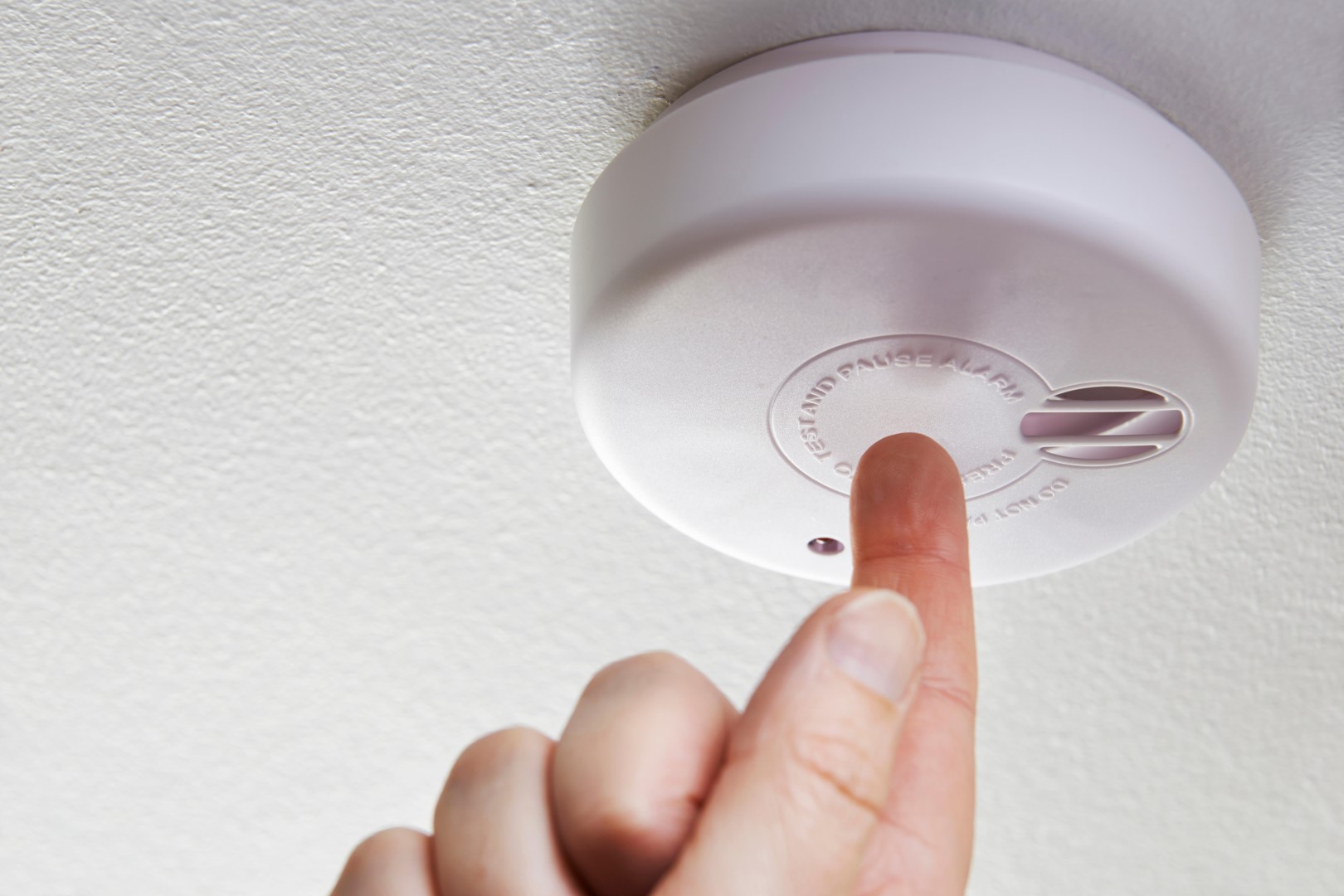
Okay, first up, the easiest and most obvious way to check. Almost every single CO alarm out there has a test button. Yep, that little guy, usually labeled "Test" or "Test/Silence." Don't be shy, give it a poke!
When you press and hold it for a few seconds (always good to glance at your specific alarm's instructions!), your alarm should let out a loud, piercing siren. Think fire alarm, but maybe a smidge less aggressive. It's designed to wake you from a deep sleep, so prepare yourself!
It usually beeps a specific pattern – like four quick beeps, a pause, then four more. This is its way of saying, "Hey! I'm alive! And I'm LOUD!" If it screams like a banshee, fantastic! That's a good sign. It means the siren works and the internal circuitry is mostly responsive. High five!
But what if you press it… and nothing happens? Or it just lets out a pathetic little whimper? Uh oh. That's your alarm telling you, "I'm not feeling so hot, friend." Time for some troubleshooting, starting with… you guessed it, batteries!
Battery Low? Time to Go!
This is probably the most common culprit for a silent alarm. Just like your TV remote or your smoke detector, CO alarms need power. Many run on standard AA or 9V batteries. Others are hardwired with a battery backup, which is super smart, right?
A good rule of thumb? Change your batteries every six months. Make it a ritual! When you change your clocks for daylight saving time (spring forward, fall back), that’s a perfect reminder. Or maybe when you switch out your seasonal decor. Whatever works for you!
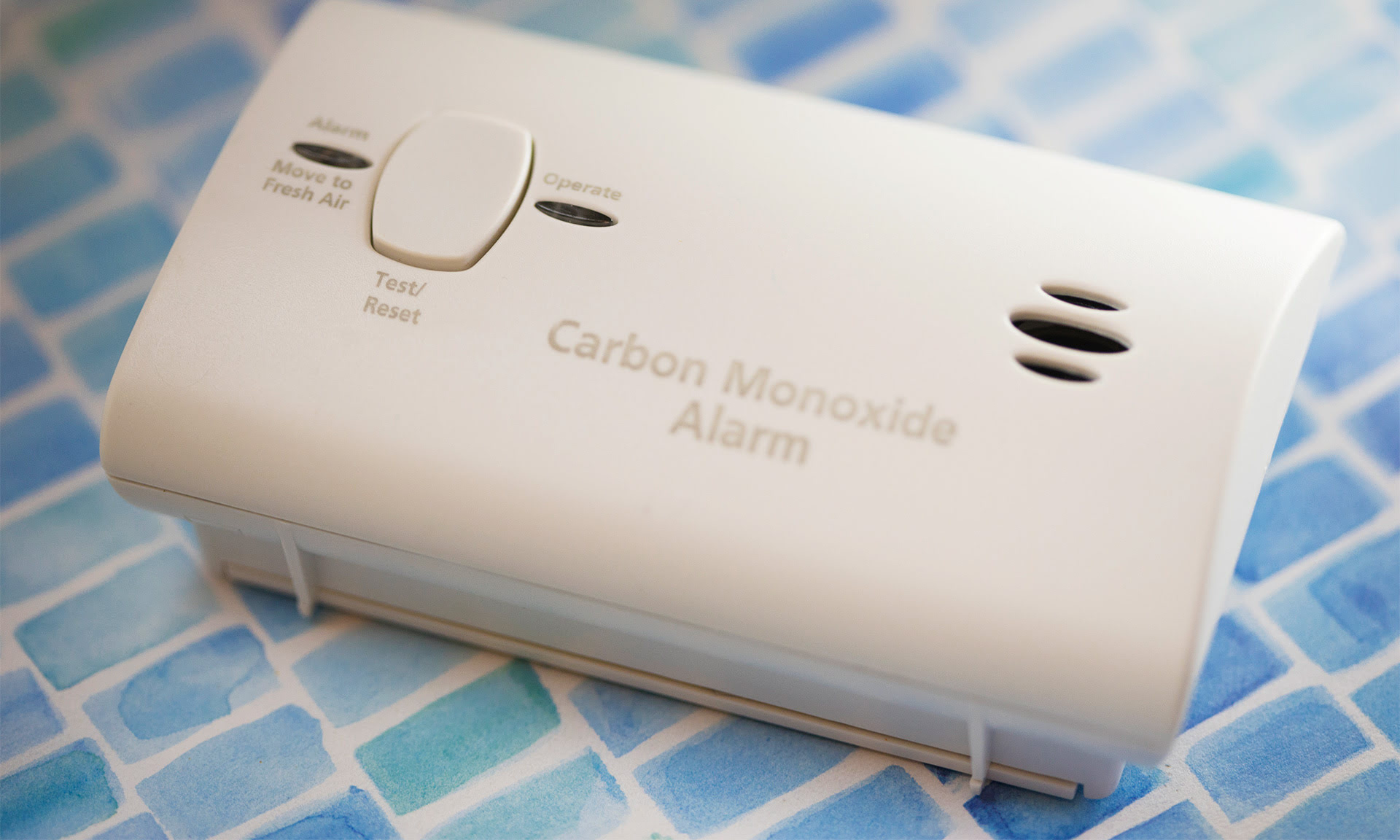
And if your alarm is doing that annoying, intermittent "chirp" sound? That's not a friendly hello. That’s its cry for help! It’s telling you, "My battery is dying a slow, painful death! Please, change me!" Don’t ignore the chirp. Seriously, don’t. It’s a tiny, urgent messenger.
The Forgotten Date: Expiration!
Okay, this one catches a lot of people off guard, and it’s super important. Your CO alarm isn't immortal. It doesn't just work forever, like that ancient Tupperware. These things have a lifespan.
Most CO alarms are good for about 5 to 7 years, sometimes 10 for newer models. After that, the sensor inside starts to lose its sensitivity. It's like your own sense of smell getting a bit wonky as you age. It just doesn't detect things as well.

So, where do you find this crucial date? Flip your alarm over! Seriously, take it down. On the back, you’ll usually find a "manufacture date" or an "install by" date. Sometimes it explicitly states an "expiration date." Circle it on your calendar, set a reminder on your phone, tattoo it on your forehead… whatever it takes!
If your alarm is past its prime, even if the test button works, it’s not giving you reliable protection. Replace it! Think of it as retiring a veteran hero with full honors. It’s done its duty, now it’s time for a fresh face.
Where’s It Hanging Out? (Placement Matters!)
While we're on the topic of working alarms, let's have a quick chat about where it's working. A perfectly functioning alarm isn't much help if it's in a closet or tucked behind a giant bookshelf, right?
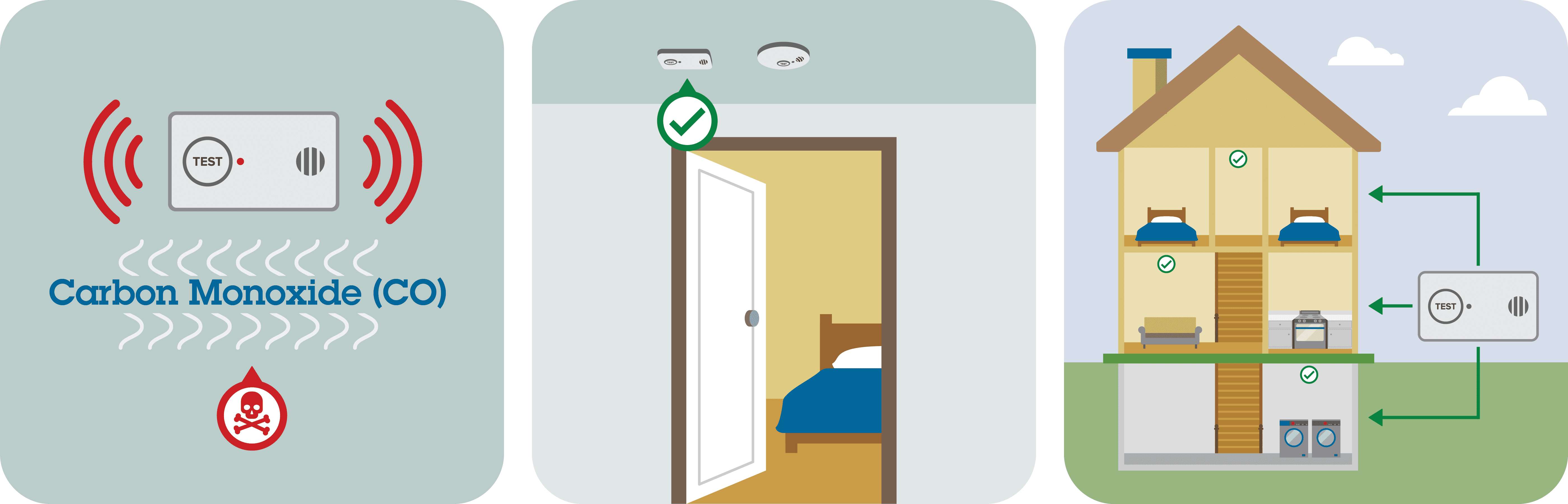
You want CO alarms on every level of your home, especially near sleeping areas. And no, don't put it right next to a furnace or water heater; that's too close to a potential CO source and can cause nuisance alarms. Always read the instructions for optimal placement!
Quick Recap for the Win!
So, to keep your silent guardian truly guarding:
- Test Button: Press it monthly! Get used to that loud scream.
- Batteries: Change 'em twice a year, or immediately when it chirps.
- Expiration Date: Find it, respect it, replace it! Usually 5-10 years.
- Placement: Is it in the right spot? Visible and unobstructed?
Taking a few minutes to do these checks can literally be a lifesaver. No exaggeration, folks. This isn't just about avoiding a scary situation; it's about peace of mind. Knowing that little device is standing guard, doing its job, so you can sleep soundly? Priceless.
Alright, that’s your CO alarm pep talk for the day! Go forth and test those alarms! Your lungs (and your family) will thank you. Now, about that second cup of coffee...?