
Why Do Hard Wired Smoke Detectors Beep
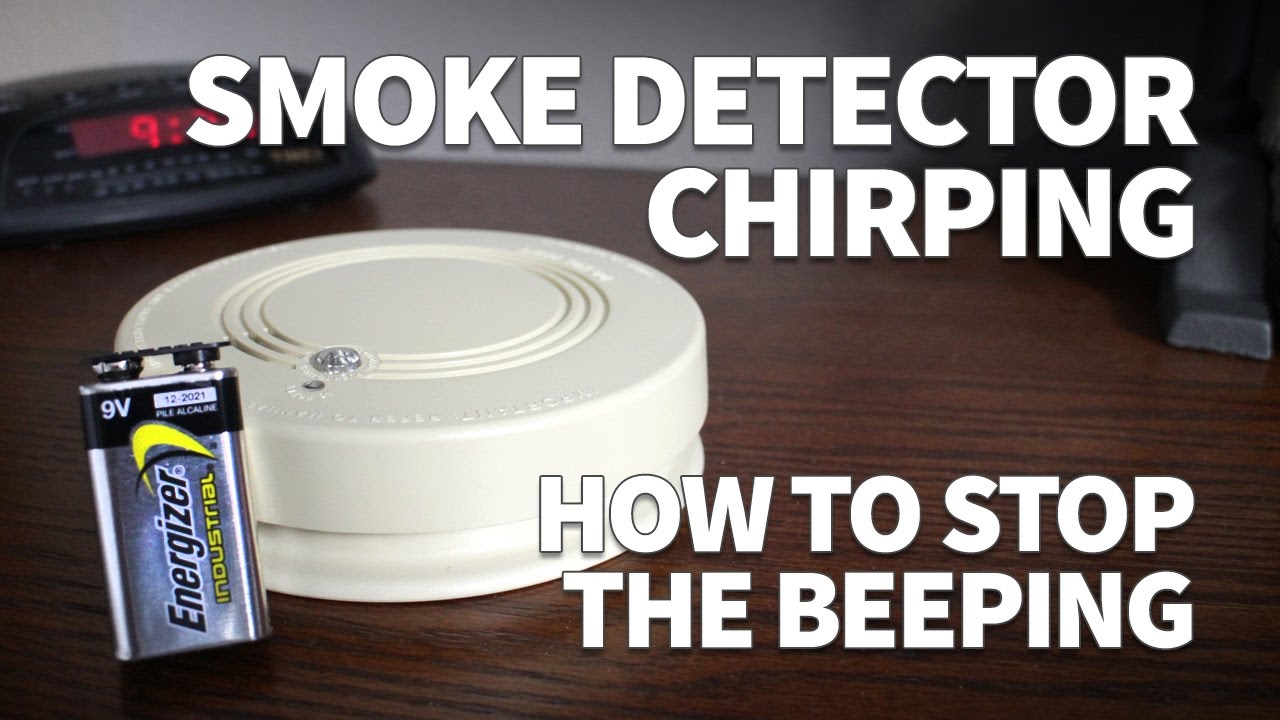
Ah, the unmistakable chirp. That piercing, intermittent "BEEP!" that invariably decides to make its grand debut at 3 AM, sending shivers down your spine and a jolt through your sleep-addled brain. It’s a symphony of annoyance, a tiny alarm with a giant impact on your peace of mind. And if you’re living in a modern home, chances are you’re dealing with a hard-wired smoke detector – the unsung heroes of home safety that sometimes act like grumpy old friends.
So, why do these diligent little guardians, connected directly to your home's electrical system, still manage to pull this nocturnal prank? Let's unravel the mystery, because understanding their secret language can save you a lot of sleepless nights and help keep your home truly safe.
The Persistent Chirp: Decoding the Message
First off, let's appreciate these hard-wired wonders. Unlike their battery-only cousins, these detectors are constantly drawing power from your home's electricity. This means they’re always on alert, always ready. But here's the kicker: they all come with a backup battery. And this, my friends, is usually the prime suspect in our "mystery beep" investigation.
Must Read
1. The Low Battery Warning: The Classic Culprit
Even though your detector is wired into your home’s power grid, that little 9-volt or AA battery tucked inside is its emergency lifeline. Think of it like the spare tire in your car – you hope you never need it, but it’s crucial to have. When the main power goes out (hello, storm season!), that backup battery kicks in to keep your home protected. However, just like any battery, it eventually runs out of juice. And when it gets low, it sends out that infamous "BEEP!" to tell you, loud and clear, "Hey, I need a fresh one!"
Practical Tip: Make it a habit to change your smoke detector batteries annually. A fantastic mental trigger? Daylight Saving Time! When you change your clocks, change your batteries. It’s like a fresh start for your smoke detector, ensuring its backup is always ready. And remember, when you change one, it's a good idea to change them all!

2. End-of-Life: They Don't Live Forever
Sadly, nothing lasts forever, not even our trusty smoke detectors. Most manufacturers recommend replacing your smoke detectors every 8 to 10 years. Over time, their internal sensors can become less sensitive or even accumulate internal dust that affects their performance. When they reach the end of their lifespan, many models will emit a regular chirp or a series of chirps to signal their retirement. It's their polite way of saying, "My watch has ended."
Fun Fact: Check the back of your smoke detector! There's usually a manufacture date printed there. If it's pushing a decade, it's probably time to send it off with a farewell party and replace it with a new, more advanced model.
3. Dust Bunnies and Little Critters: Unwanted Guests
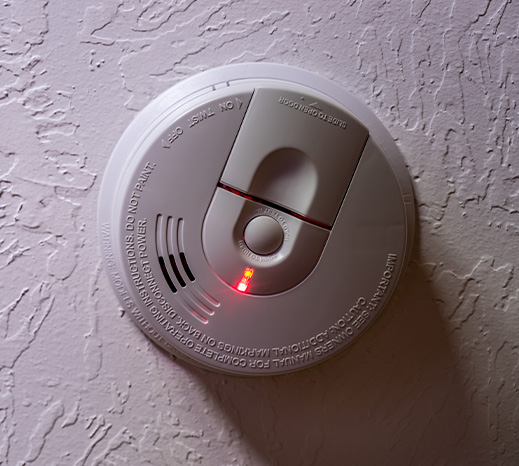
Smoke detectors are designed to be incredibly sensitive to airborne particles. While this is great for detecting smoke, it also means they can sometimes be triggered by non-threatening invaders. A buildup of dust, lint, or even tiny insects crawling into the sensing chamber can confuse the detector, making it think there's a problem when there isn't. It's like having a speck of dust in your eye – annoying, but not a real threat.
Practical Tip: Gently clean your smoke detectors periodically. You can use a soft brush attachment on your vacuum cleaner or a can of compressed air (from a safe distance) to clear out any debris. Just be gentle!
4. Power Interruption or Surge: A Moment of Confusion
Even hard-wired units can get a little confused. A brief power flicker, a quick outage, or a minor electrical surge can sometimes throw them off balance. After such an event, the detector might chirp a few times as it resets and recalibrates itself, confirming that its main power source is back online. It’s like your computer rebooting after an update – just needing a moment to find its footing again.
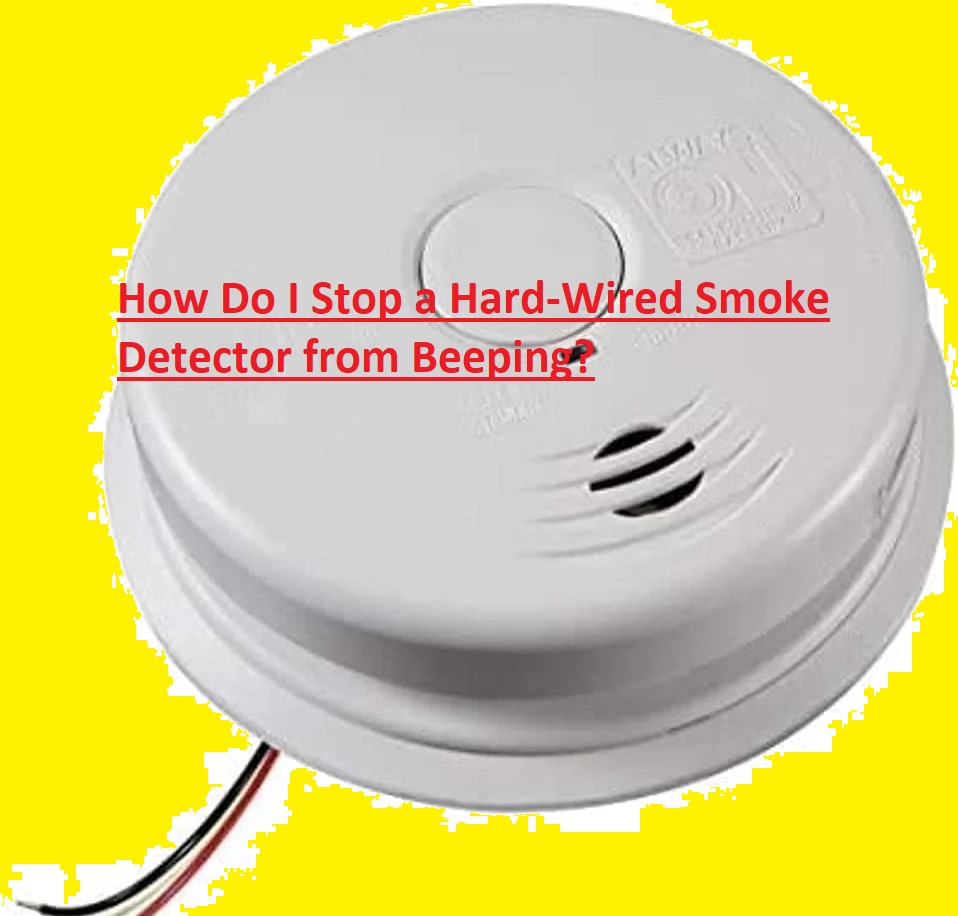
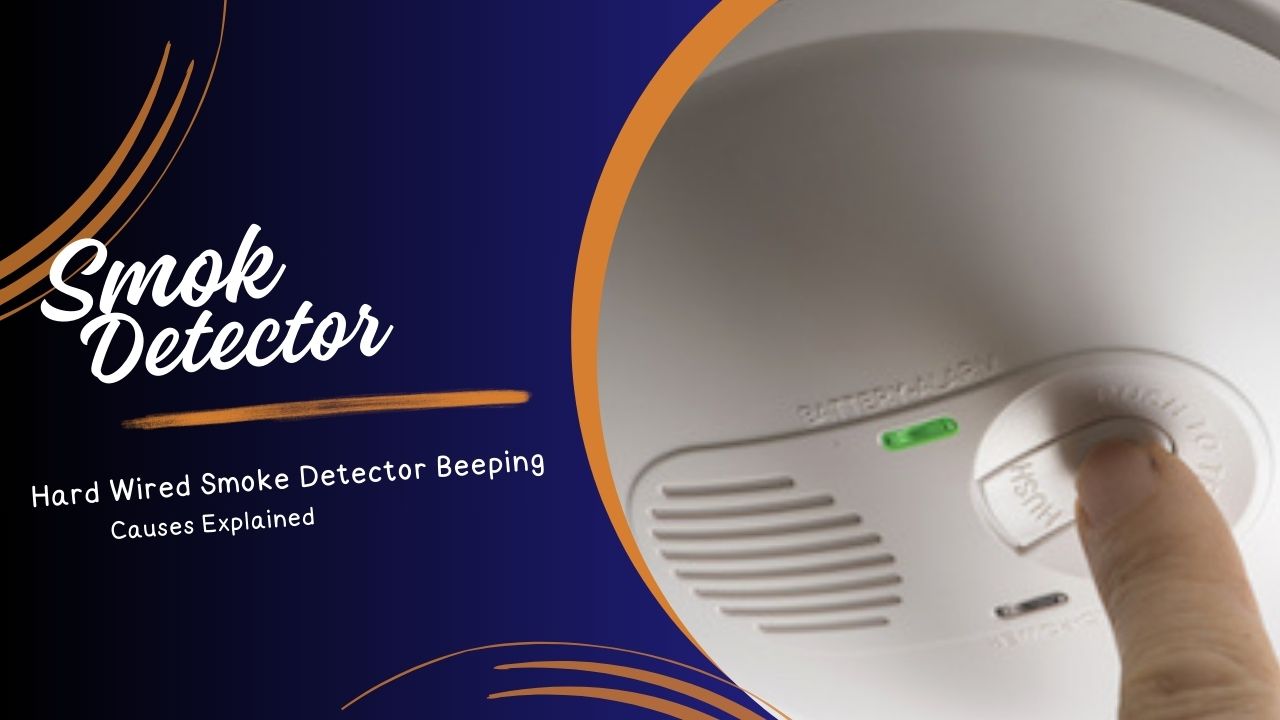
What to do: If you suspect a power issue, try hitting the "silence" or "reset" button on the unit. If the chirping persists, check your circuit breaker to ensure there hasn't been a trip affecting the smoke detector's circuit.
5. Interconnected Systems: The Symphony Effect
Many modern homes have interconnected smoke detectors. This means if one unit senses smoke, they all go off, providing maximum warning. But this also means if one unit is chirping for a low battery or another issue, it can sometimes trigger a response or even confuse neighboring units. It’s like one person coughing in a quiet room – suddenly everyone else feels the urge to cough too!
Key Insight: When multiple detectors are chirping, try to identify the original source. The one chirping the loudest or most consistently is usually the culprit needing attention.
The Bottom Line: Listen to the Beep
No matter the reason, that irritating beep from your hard-wired smoke detector is always a message. It's not trying to annoy you; it's trying to protect you. Ignoring it is never an option. These devices are your first line of defense against a house fire, giving you precious minutes to escape and call for help.
In life, just like with our smoke detectors, there are often little chirps and signals trying to tell us something important. A nagging feeling, a persistent small problem, a gentle nudge from within. Sometimes, we’re quick to hit the "snooze" button, hoping the annoyance will fade. But perhaps, like our diligent smoke detectors, these signals are just trying to get our attention for our own good. Listening to the small warnings, whether from a battery or our own intuition, can prevent bigger problems down the line. So, the next time that beep awakens you, don't just grumble – listen, understand, and act. Your safety, and peace of mind, depend on it.