
Why Can't You Use Salt Water To Put Out Fires

Picture this: a roaring blaze, flames licking at the sky, and you’re standing right next to the vast, endless ocean. A brilliant thought sparks in your head, "Aha! Unlimited water supply! Let's just pump all this ocean goodness onto the fire and call it a day!" Sounds logical, right? Like a superhero solution to a fiery problem. Well, buckle up, buttercup, because while your heart's in the right place, that salty brainstorm would actually turn into a much bigger, sparkier headache!
The Shocking Truth (Literally!)
Let's get straight to the zappy heart of the matter. The biggest, baddest reason you can't douse a fire with salt water, especially if there's anything remotely electrical involved, is this: salt water conducts electricity like a rock concert stagehand conducts a lightning bolt straight to the band!
Think of it this way: pure, distilled water is like a shy wallflower at a party – it doesn't really want to mix with electricity. It's a pretty lousy conductor. But add a bunch of salt, and suddenly that wallflower turns into the life of the party, dragging electricity onto the dance floor for a wild, uncontrollable jig! The dissolved salts in ocean water create tons of free ions, which are like tiny little taxi cabs just waiting to ferry those sneaky electrons from one place to another. And if "another place" happens to be you, or a brave firefighter, or anything metal nearby, we're talking about a very dangerous, very unexpected light show.
Must Read
Using salt water on an electrical fire is like throwing a toaster into a full bathtub. It's a bad idea, kids, a really, really bad idea.
Firefighters, those amazing heroes, are trained to spot these dangers a mile away. They know that spraying conductive water on live wires is an express ticket to electrocution city. So, for their safety and everyone else's, fresh water is always the go-to for dousing flames, as it's far less conductive and much, much safer.
More Than Just a Salty Splash
Even if there isn't an electrical current to worry about (which, let's be real, in most modern structures, there usually is), salt water still isn't doing you any favors. Imagine putting out a small campfire with ocean water. Sure, the fire might go out. But then you're left with a crusty, salty mess. Now amplify that to a burning house or car! The salt itself is a corrosive villain in disguise.
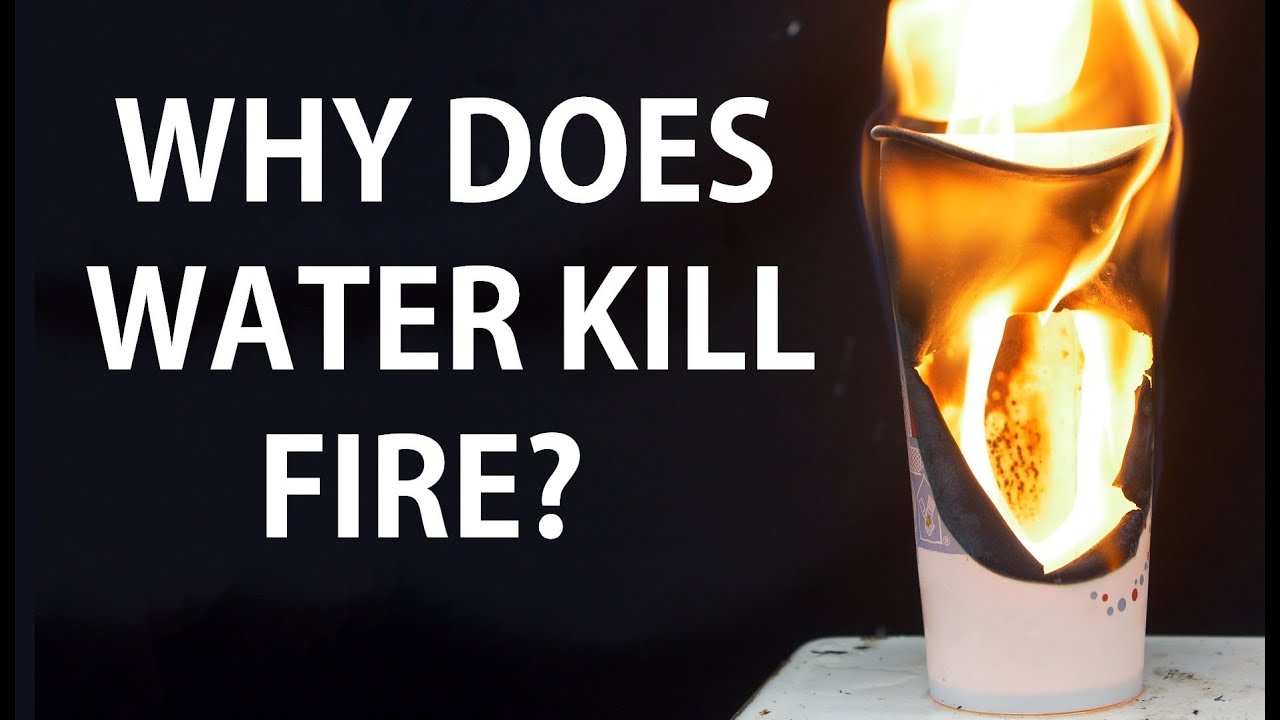
When salt water hits hot surfaces and then evaporates, it leaves behind all that salt. This residue isn't just unsightly; it's a destructive force. It can quickly lead to corrosion, rusting out metals, damaging electronics even if they weren't directly hit by the initial electrical shock, and generally making a terrible mess of everything it touches. Think about how fast a car rusts if it's constantly exposed to salty ocean air or road salt – now imagine that destructive process super-accelerated by the heat of a fire and direct salt water application. You're not just putting out a fire; you're inviting a whole new disaster of decay and damage.
When Water Just Won't Do (Salty or Not!)
And here's another fun fact: sometimes, even fresh water isn't the right choice for a fire! For example, if you have a grease fire in your kitchen (the kind where oil or fat catches fire), throwing water on it, whether salty or fresh, is a huge no-no. Water is heavier than oil, so it'll sink, turn instantly into super-heated steam, and violently splatter the burning grease everywhere, turning a small, contained blaze into a flaming, spreading catastrophe. Yikes!

For these kinds of fires, you need special tools: a lid to smother it, baking soda to absorb it, or a proper fire extinguisher designed for kitchen fires. So, even if the ocean was filled with pure, distilled, fire-fighting gold, you'd still need to know what kind of fire you're tackling.
So, What's the Big Deal About Fresh Water, Then?
When firefighters arrive on the scene, they bring their own meticulously clean, fresh water (or, for certain types of fires, specialized foams or chemicals). This water has been filtered, treated, and is ready for duty. It's not carrying electrical currents, it won't leave behind a highly corrosive mess, and it’s the safest, most effective all-around agent for most common fires.

Using fresh water minimizes additional damage, keeps the brave individuals fighting the flames safe, and ensures that once the fire is out, the cleanup and recovery process isn't made exponentially worse by a salty, destructive aftermath. It’s all about using the right tool for the job – and when it comes to extinguishing fires, the simplest, purest water is often the best.
So, the next time you're by the ocean and see a massive inferno (hopefully only in a movie!), resist the urge to deploy an ocean-sized fire hose. Leave the fire-fighting to the pros and their properly equipped trucks. They've got the right water, the right tools, and most importantly, the right knowledge to keep everyone safe and turn those fiery nightmares into nothing but a puff of smoke. And maybe a little steam, but definitely not a salty, zappy steam!