
Which Vitamin Deficiency Leads To Hemolytic Anemia
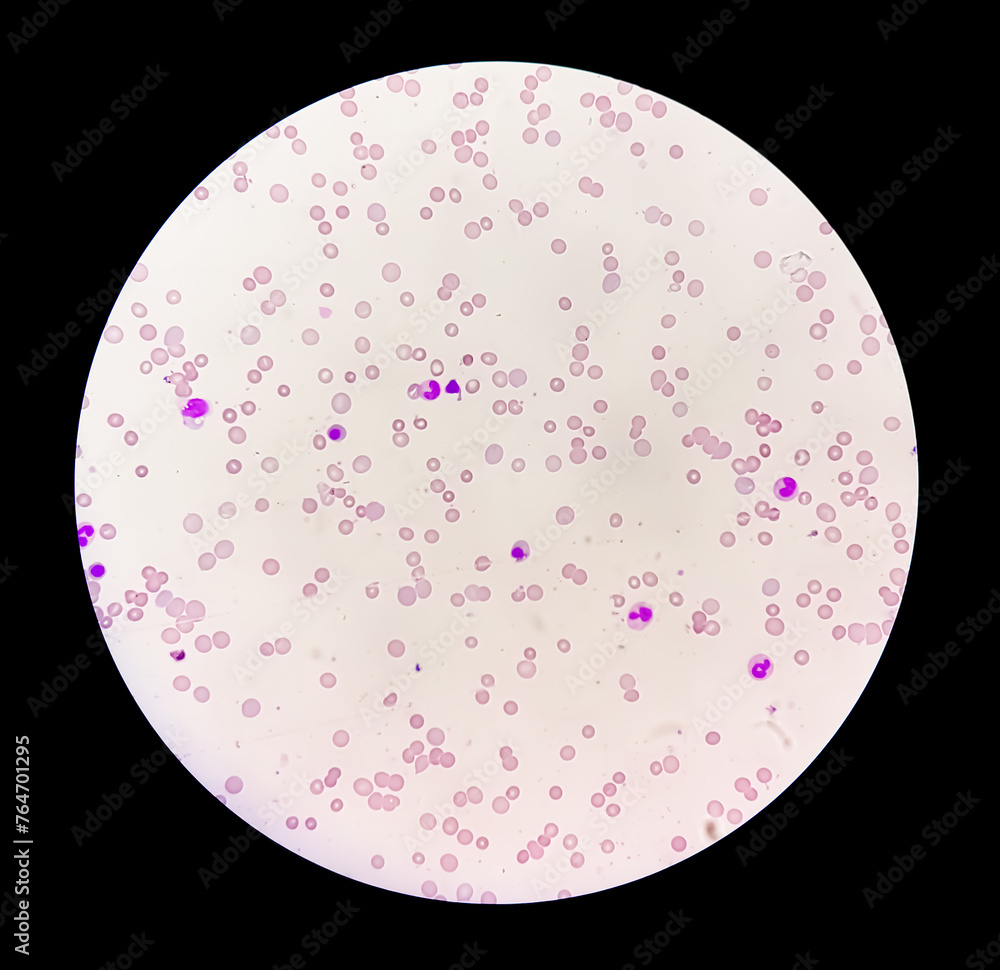
Okay, let's talk vitamins. We all know they're important, right? Like the instruction manual for your body. But sometimes, that manual gets a page ripped out, and things start going a little haywire. Today, we’re diving into a specific missing page: Vitamin E, and how its absence can lead to hemolytic anemia. Trust me, it’s easier to understand than assembling IKEA furniture.
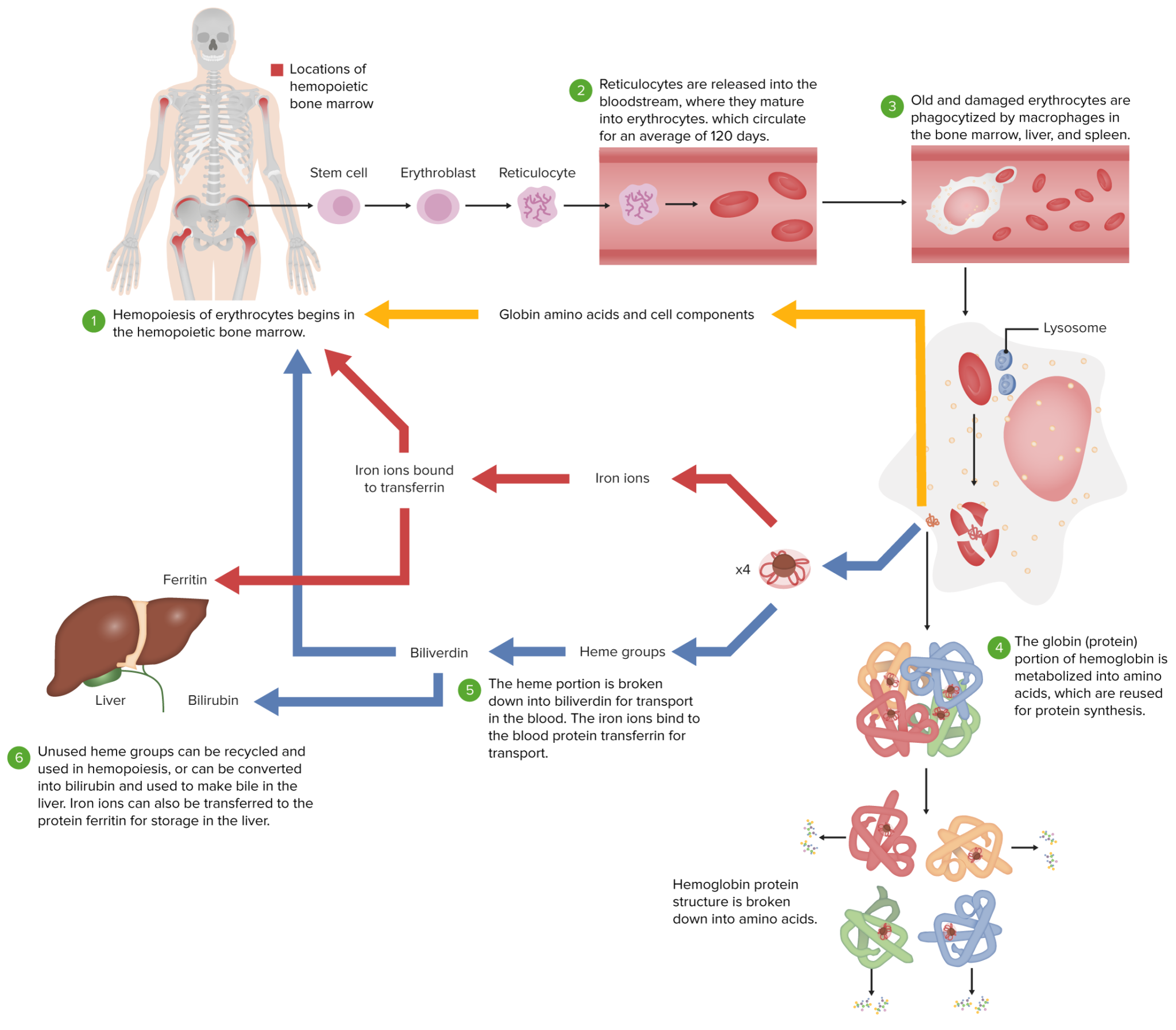
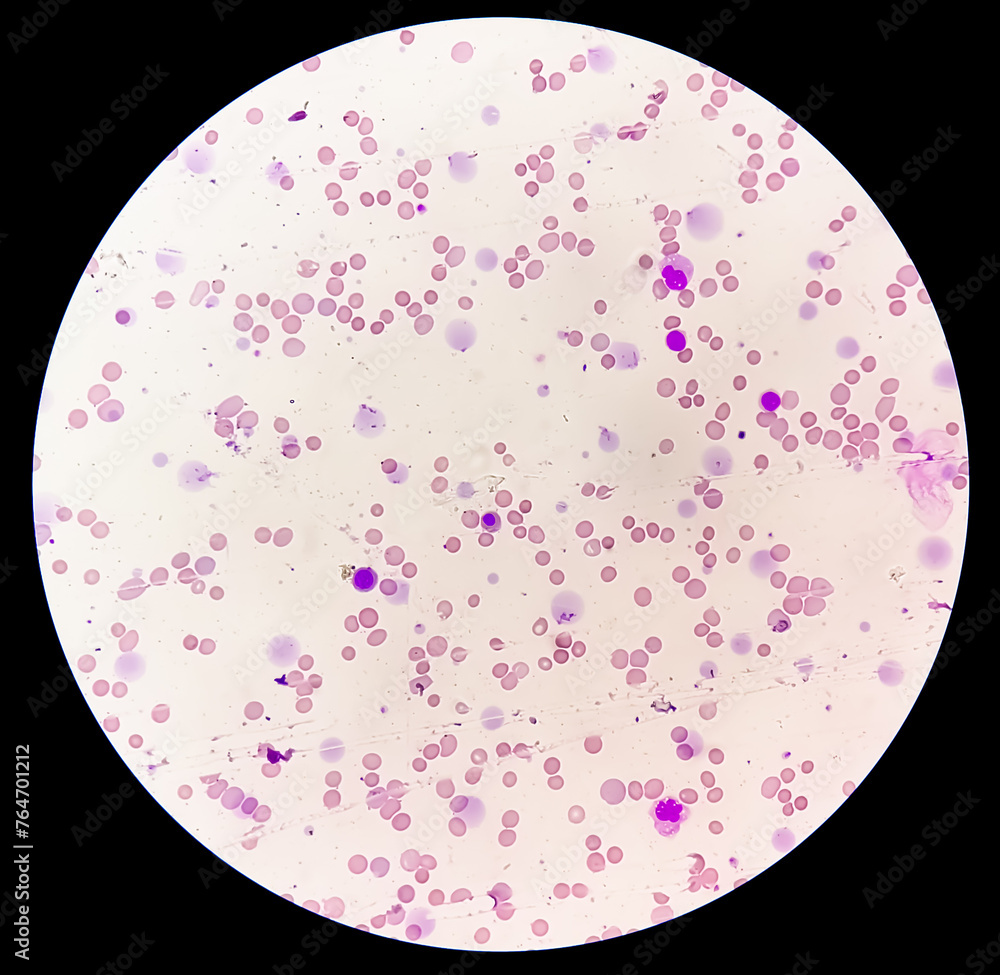
First things first, what even is hemolytic anemia? Imagine your red blood cells, those little delivery trucks carrying oxygen all over your body, are having a rave. Except, instead of a fun night out, they’re being prematurely destroyed. That's hemolytic anemia in a nutshell. It means your body is breaking down red blood cells faster than it can replace them.
Now, where does Vitamin E fit into this destructive party? Well, picture Vitamin E as the super chill bouncer at that rave. Its job is to protect those red blood cell "trucks" from oxidative stress. Oxidative stress is like the rowdy crowd trying to smash everything. Vitamin E, in its antioxidant glory, keeps things peaceful and prevents the cell membranes from getting damaged. Without enough Vitamin E, those cell membranes become weak and brittle, making them susceptible to bursting – kind of like blowing up a balloon too much.
Must Read
So, Vitamin E is a superhero for your red blood cells. Think of it as their personal bodyguard, shielding them from the harmful effects of free radicals – those pesky molecules that are always trying to cause trouble.
But what happens when the bodyguard goes missing? Boom! Red blood cell carnage. They break down prematurely, and you end up with fewer of them than you should. That, my friend, is hemolytic anemia caused by a Vitamin E deficiency.
Who’s at Risk for This Vitamin E Debacle?
Alright, so who needs to be particularly concerned about this? It’s not usually a problem for generally healthy adults who eat a balanced diet. But some groups are more prone to a Vitamin E deficiency.
Firstly, we're talking about babies, especially premature ones. Why? Because they're born with lower reserves of Vitamin E, and their bodies are still learning to absorb it properly. That's why formula for preemies is often enriched with Vitamin E.
Next up, individuals with certain medical conditions that affect fat absorption. Remember, Vitamin E is a fat-soluble vitamin, meaning it needs fat to be absorbed effectively. Conditions like cystic fibrosis, Crohn's disease, and short bowel syndrome can all interfere with this process. It's like trying to mail a letter without a stamp – it just won't go through.

And finally, there's a rare genetic disorder called abetalipoproteinemia, which prevents the body from properly absorbing fats, including Vitamin E. This is like having a blocked pipeline – nothing's getting through!
How Do You Know If You're Running on Empty?
So, how can you tell if your Vitamin E levels are low enough to potentially cause trouble? It’s not like a gas gauge on your car, unfortunately. But there are some signs and symptoms to watch out for. They aren’t always obvious, though, and can be vague.

Here are a few:
- Muscle weakness
- Fatigue (feeling tired all the time, like you’ve run a marathon in your sleep)
- Numbness and tingling in your hands and feet (like pins and needles decided to have a party)
- Vision problems (your eyes might feel like they’re playing hide-and-seek)
Now, it’s crucial to remember that these symptoms can also be caused by other things. Don't self-diagnose! If you're experiencing any of these issues, talk to your doctor. They can order a blood test to check your Vitamin E levels and rule out other potential causes.
Boosting Your Vitamin E, the Easy Way
Luckily, fixing a Vitamin E deficiency is usually pretty straightforward. The best way to get enough Vitamin E is through your diet. Think of it as stocking up your personal vitamin depot. Foods rich in Vitamin E include:
- Nuts and seeds (almonds, sunflower seeds, peanuts)
- Vegetable oils (wheat germ oil, sunflower oil, soybean oil)
- Green leafy vegetables (spinach, kale)
- Fortified cereals
So, load up on those healthy fats and greens! It's like giving your body a little spa day, complete with all the nutrients it needs to thrive. If dietary changes aren't enough, your doctor might recommend a Vitamin E supplement. But always talk to them first – too much of a good thing can sometimes be not-so-good.
In conclusion, Vitamin E is a crucial nutrient for protecting your red blood cells. A deficiency can lead to hemolytic anemia, but thankfully, it's often preventable with a balanced diet and, in some cases, supplementation. So, go forth and nourish your body! Your red blood cells will thank you for it.