Where To Put Carbon Monoxide Detector In House
Ever wonder about those little devices silently guarding our homes? Sometimes, the most important things are the ones we think about the least – until we suddenly realize they're quite literally lifesavers! Today, let's embark on a little detective journey into the world of carbon monoxide detectors. It might not sound like the most thrilling topic, but understanding where to place these crucial gadgets is actually a fascinating puzzle, and solving it brings immense peace of mind and safety to your sanctuary.
So, what exactly is carbon monoxide (CO), and why do we need a special detector for it? Imagine a gas that’s completely invisible, odorless, and tasteless. It’s the ultimate stealth danger. CO is produced when fuels like natural gas, propane, oil, wood, or charcoal burn incompletely – think furnaces, water heaters, gas stoves, fireplaces, and even car exhaust. When you inhale CO, it replaces the oxygen in your blood, which can quickly lead to symptoms like headaches, nausea, dizziness, confusion, and eventually, unconsciousness and death. It’s often called the "silent killer" for a very good reason. The beautiful benefit of a CO detector, then, is its ability to be your nose and eyes, alerting you to this invisible threat before it can harm you or your loved ones. It’s an early warning system, a small but mighty guardian against a formidable foe.
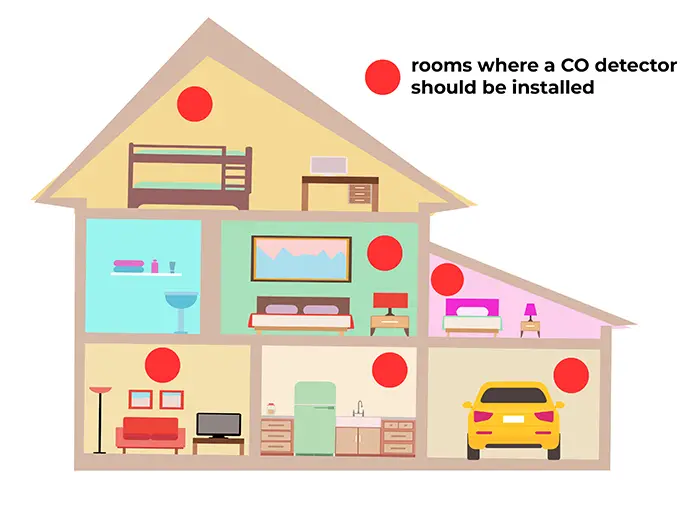
Now for the fun part: Where do these silent guardians do their best work? It’s not just a matter of plugging it in anywhere. Think strategically! A fundamental rule of thumb is to have at least one CO detector on every level of your home. This ensures coverage regardless of where CO might originate or accumulate. Most importantly, you should place a detector outside of each separate sleeping area. Why? Because you’re most vulnerable while you’re asleep; your body can’t sense the danger, and an alarm gives you precious time to evacuate. If you have a multi-story home, this means one near the bedrooms upstairs, and another near any basement sleeping areas or living spaces that are frequently used.
Must Read
Beyond sleeping areas, consider placing a detector near or in rooms where fuel-burning appliances are located, like your furnace or water heater, but not directly next to them. You want to detect CO that might be escaping, not just the normal exhaust. For placement height, CO mixes with air, so it's not strictly a "rises" or "falls" gas like some others. Many manufacturers recommend placing them at chest or eye level on a wall, where air currents are more likely to carry CO directly to the sensor. However, always read the specific instructions that come with your detector, as recommendations can vary slightly by model. Avoid placing them in direct sunlight, in dusty or humid areas, or too close to windows, doors, or vents where drafts might prevent CO from reaching the sensor effectively.
Ready to become a home safety guru? Here are some simple ways to explore this topic further: First, do a quick walk-through of your own home tonight. Where are your detectors currently located? Are there any spots you missed? Second, grab the manual for your detector (or look it up online if you've tossed it!) and refresh your memory on its specific placement and maintenance tips. Most detectors need to be tested monthly and replaced every 5-7 years. Finally, chat with your family about the importance of CO safety. Knowing where to put these unassuming devices isn't just a chore; it's a powerful step toward ensuring everyone in your household breathes easier, day in and day out.