
Where Should Carbon Monoxide Detectors Be

Okay, let’s talk carbon monoxide detectors! Yeah, I know, super glamorous, right? But seriously, this isn’t just some boring safety blurb. We're diving into the slightly mysterious, surprisingly fun world of placing these little lifesavers. Think of it as a low-stakes scavenger hunt with a really important prize: peace of mind!
First off, what even is carbon monoxide? It's often called the "silent killer," which sounds super dramatic. But honestly, it's just a gas. A colorless, odorless, tasteless gas. It's like the ultimate ninja of toxic fumes. You can't see it, sniff it, or sip it. And that's exactly why we need our trusty detectors on patrol.
Now, here's where the fun begins. Where exactly should these vigilant guardians stand guard? This isn't just a "throw it anywhere" situation. There’s a method to the madness, and it debunks some pretty wild myths!
Must Read
The Great CO Density Debate: Heavy or Light?
Ever heard that CO gas is heavier than air and sinks to the floor? Or maybe that it's lighter than air and floats up to the ceiling? Prepare yourself for a plot twist! Both are actually… not quite right. CO is almost the exact same density as air. Think of it like a perfectly camouflaged spy, blending in seamlessly. It disperses pretty evenly throughout a room. So, the old "CO sinks" or "CO rises" argument? It’s a bit of a red herring, folks!
Because it mixes so well with air, the exact height isn't as critical as some might think. What is critical is its proximity to you and potential sources.
Where Not to Put Your Detective Buddy (And Why!)
Before we pinpoint the sweet spots, let's look at the no-go zones. Placing a detector in the wrong place can be like giving a detective a blindfold. Not helpful!
- Don't stick it right next to a window or door. Air currents can mess with its readings. It might get a false sense of security, or worse, miss the real danger.
- Avoid direct sunlight or extreme temperatures. Your detector isn't a sunbather. Too hot or too cold can make it grumpy and less effective.
- Keep it away from cooking appliances. A busy kitchen might trigger nuisance alarms from regular cooking fumes. We don't want the detector crying wolf!
- Steer clear of vents, fans, or other air circulators. Again, crazy drafts can give wonky readings. We want it to detect the air, not just the wind!
Think of it as setting up a surveillance camera. You want a clear, unobstructed view of the area you’re trying to monitor, not a view of a fan or a window that keeps blowing open.
The Sweet Spots: Where CO Detectors Shine Brightest!
Alright, drumroll please! Here's where your CO detectors become true heroes. These locations give them the best chance to sniff out trouble before it becomes a problem.

Near Sleeping Areas. Always!
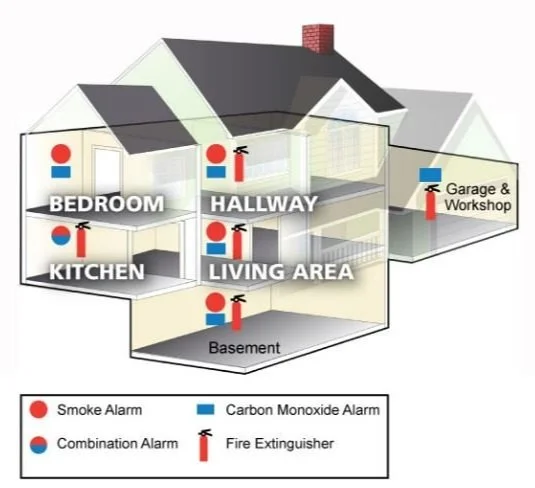
This is probably the most important spot. Why? Because CO is most dangerous when you're asleep. You wouldn't wake up to its smell or taste. So, place one within hearing distance of all sleeping areas. Ideally, one inside or just outside each separate sleeping area. Think bedrooms, guest rooms, even that futon in the den!
On Every Level of Your Home. Yes, Every Single One!
Got a basement? An attic? Multiple stories? You need a detector on every single level. Even if you don't sleep in the basement, it could be where a furnace or water heater is lurking. CO doesn't care about floor plans; it just goes where the air goes. So, give it nowhere to hide!

Near Attached Garages. The Sneaky Entry Point.
Do you have an attached garage? This is a prime suspect for CO leakage. Running a car in an enclosed space is a no-no, but sometimes exhaust can still seep into the house. Place a detector near the door connecting the garage to your living space. It’s like having a bouncer at the most common back entrance.
Central Locations. A Command Center.
Consider placing one in a central location on each level, like a hallway near the living room or dining area. This acts as a general sentinel, covering a broader space and ensuring you're alerted even when you're awake and active.
What About Height? Does It Matter?
Since we busted the "heavy or light" myth, the exact height isn't super critical. However, practical advice suggests placing them roughly at chest or eye level. This is because: 1. It puts them in a good zone to detect the air you're breathing. 2. It makes them easier to see, access for testing, and maintain. 3. It keeps them out of reach of curious toddlers but not so high you need a ladder to check the battery.
.jpg?format=2500w)
Some even recommend placing them near your furnace or water heater, especially if they're older models. These appliances are common sources of CO if they malfunction.
Keep 'Em Happy: Maintenance & Fun Facts!
Your CO detector isn't a "set it and forget it" kind of friend. It needs a little love!
- Test them monthly! Most have a test button. Give it a poke!
- Change batteries regularly! A good rule of thumb is twice a year, maybe when you change your clocks for daylight saving.
- Know their expiration date! Yep, they expire! Usually after 5-10 years. Write the installation date on it with a marker. It's like a little birth certificate!
So there you have it! The fascinating, not-so-secret life of carbon monoxide detector placement. It's all about strategic positioning, common sense, and a dash of debunked myths. Give your home the best protection possible, and you can sleep soundly knowing your little detective is on the job. Stay curious, stay safe!