
Where Should Carbon Monoxide Detectors Be Located
.jpg?format=2500w)
Alright, let's talk about carbon monoxide, often called the "silent killer." Sounds a bit dramatic, right? Well, it is! But here's the good news: protecting yourself and your loved ones from this sneaky gas is surprisingly simple, especially when you know exactly where to place its trusty foe, the CO detector.
Think of your carbon monoxide detector as your home’s personal superhero, always on alert, ready to sound the alarm if trouble brews. You want to give this hero the best vantage points in your castle, so it can truly shine and keep everyone safe and sound.
The Golden Rules of Detector Placement
We’re going to cover the absolute best spots for these lifesavers. Forget complicated manuals for a moment; we're going for practical, happy-home safety tips that make sense.
Must Read
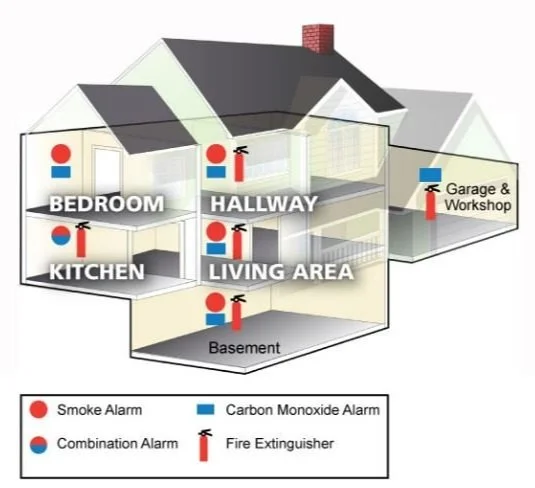
1. The Sleeping Quarters Squad
This is arguably the most critical location: near every sleeping area. Why? Because when you're dreaming of flying cars or bottomless pizza, you're most vulnerable. You wouldn't even know if carbon monoxide was silently crashing your slumber party.
Imagine the bravest little gadget, standing guard like a tiny, watchful knight just outside your bedroom door, or even inside the room if it’s particularly spacious. This prime spot ensures it can sniff out any trouble before it gets too close to your precious dreamland.
For homes with multiple bedrooms on one floor, strategically place one in the hallway that serves those rooms. It acts like a neighborhood watch for all the sleepers. Each sleeping zone truly deserves its own vigilant protector.
2. The Every-Level Lookout
Your home has floors, right? Maybe a cozy basement, a lively main floor, and a serene upstairs. Guess what? Carbon monoxide doesn't care about your home's layout; it can show up anywhere!
That's why you need a detector on every single level of your home. Seriously, don't let any floor feel left out or unprotected. Think of it as ensuring complete coverage, like having Wi-Fi extenders for safety!

If you have a basement, definitely make sure there’s a detector down there, especially if you spend time in a finished basement or if your furnace lives there. CO doesn’t play favorites with floors; it’s an equal-opportunity invader!
3. The Garage Gatekeeper
Do you have an attached garage? This is a prime suspect area for carbon monoxide to sneak into your living space. Cars, even when warming up for "just a minute," can produce dangerous levels of this gas.
Your detector near the garage is like the friendly but firm bouncer, making sure no unwanted exhaust fumes crash your home’s party. Place it on the wall that connects the garage to your house, or very close to that entry point.
This positioning is super clever because it catches any rogue fumes trying to make their way indoors. It’s about catching the problem right at the source before it spreads its invisible tendrils throughout your comfortable abode.
4. The Appliance Ally (but not too close!)
Many of your home's workhorse appliances – your furnace, water heater, and even that lovely gas fireplace – are the biggest producers of carbon monoxide. They are usually totally fine, but sometimes, things go a bit wonky.
Placing a detector in common areas where these appliances reside, like a utility closet, laundry room, or kitchen, is a smart move. It's like having a dedicated scout for your hard-working but potentially gassy home heroes.

However, and this is important, don't put the detector right on top of the appliance! That’s like asking it to guard a fire from inside the flames. More on that in our "What Not To Do" section, but generally, give it a bit of breathing room.
Where Not to Place Your CO Detector (The Oopsie Zones!)
Just as important as knowing where to put them, is knowing where not to. Avoid these spots to ensure your detector is always accurate and not prone to false alarms or worse, missing the real deal.
1. Too Close to Fuel-Burning Appliances (The Over-Eager Guard)
We just talked about placing them near appliances, but there’s a fine line! Putting your carbon monoxide detector right next to your furnace or water heater is like putting a toddler in charge of the candy store. It gets over-excited!
The occasional harmless puff of exhaust during startup could trigger a false alarm, sending you into a panic when there’s no real danger. Give it at least 15-20 feet of distance from these appliances. Let it sniff the general area, not the specific exhaust port!
"Your detector needs to be a calm, collected observer, not an excitable participant in the appliance's everyday burps and hiccups!"
2. In Direct Sunlight or Extreme Temperatures (The Drama Queen Detector)
These little electronic guardians are sensitive souls. They don't like getting sunburned or freezing their circuits off. Intense heat or extreme cold can mess with their sensors and make them unreliable or just plain stop working.
Keep them away from direct windows where the sun bakes in, or drafty areas near uninsulated walls that get super cold. Think of it as finding a nice, temperate spot where your detector can comfortably do its job without any environmental tantrums.

3. Behind Furniture or Curtains (The Shy Ninja)
Your CO detector is not a shy wallflower! It needs to be out in the open, with a clear path for air to reach its sensors. Hiding it behind a giant armchair, a heavy curtain, or tucked away in a dusty cabinet severely limits its ability to detect anything.
Imagine trying to smell a delicious batch of cookies if someone put a giant pillow over your face. Not effective, right? Same principle for your detector. It needs to breathe freely to do its job as your home's vigilant nose.
4. In Humid Areas (The Spa-Lover)
While your detector might enjoy a good steam, excessive humidity, like that found in a bathroom or very steamy laundry room, can actually interfere with its sensors. It might cause it to malfunction or even give you a false alarm.
So, as tempting as it might be to protect your showering self, keep the detector out of the direct line of steam. Let it enjoy a drier, more consistent environment where its sensitive electronics can thrive.
5. Near Vents, Doors, or Fans (The Wind Tunnel Worrier)
Airflow is great, but too much direct, powerful airflow can be a problem. Placing a detector right next to an air vent, an open window, or a ceiling fan creates a sort of "wind tunnel" effect.
This can either blow the carbon monoxide away from the detector's sensors, making it miss a real threat, or create inconsistent readings. Your detector needs calm, ambient air to get an accurate sniff of the situation, not a blustery gale.
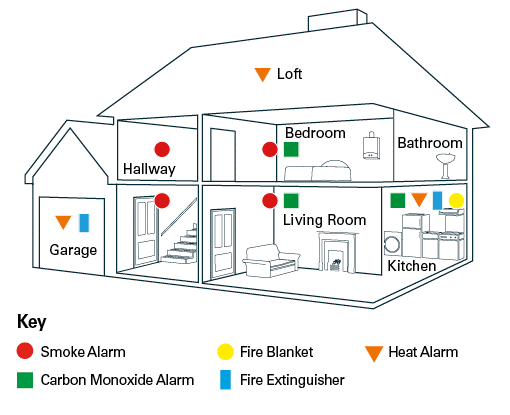
The Height Debate: High, Low, or Just Right?
Unlike smoke, which always rises, carbon monoxide is a bit of a chameleon. It mixes pretty evenly with the air, so it’s not always zooming to the ceiling or hugging the floor. This often leads to confusion about placement height.
Generally, a good rule of thumb is to place your detector at eye-level, or at least somewhere on the wall between waist height and the ceiling. This provides a good balance for detecting CO as it disperses throughout a room.
However, always, always, always consult the manufacturer's instructions for your specific unit. Some detectors are designed for specific heights, and following their guidelines is always the safest bet. They know their little gadgets best!
The Final, Friendly Reminders!
Once your superhero detectors are perfectly placed, don’t forget their regular check-ups! Test them monthly by pressing the test button. It’s like giving them a little high-five for a job well done.
Replace batteries annually, or when the unit tells you to with a chirpy warning. And remember, detectors don't last forever! They have an expiration date (usually 5-7 years); check the back of the unit and replace it when its time is up.
So there you have it! Protecting your home from the unseen threat of carbon monoxide doesn't have to be scary or complicated. With a few smart placements and a little regular care, your home will be a fortress of fresh air and safety. Go forth and detect with confidence!