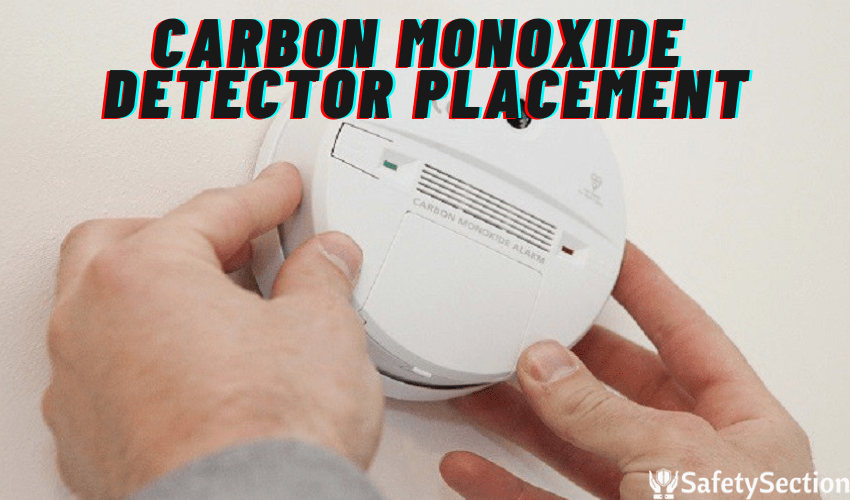
Where Put Carbon Monoxide Detector In Home
Alright, let's chat about something super important but often overlooked, like remembering your reusable bags before a grocery run: your carbon monoxide (CO) detector! It’s not the sexiest home decor item, but trust me, it’s one of the best little guardians you can have. Think of CO as the ultimate ninja – invisible, odorless, and silent. You literally won't know it's there until it's too late, and that's precisely why our friendly little detector is so crucial. It’s your home's personal bodyguard against this sneaky villain.
So, you’ve got one (or several, high five!), but then comes the head-scratcher: where on earth do I put this thing? It's not like a smoke detector that just goes on the ceiling, right? Well, you're not wrong to ask! Placement truly matters, and getting it right can mean the difference between peaceful slumber and a very, very unwelcome surprise. Let’s break it down, no rocket science required!
Every Level, No Exceptions!
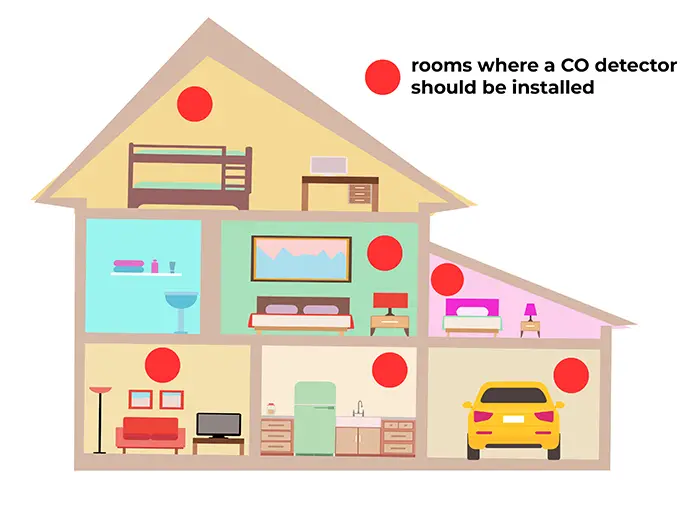
First things first, let’s tackle the big picture. Just like you wouldn’t have a smoke detector only on one floor, the same goes for CO. You need one on every single level of your home. Yes, even the basement, even the top floor. Imagine little Billy is happily playing with his LEGOs upstairs while the furnace downstairs is quietly having a bad day. You need an alarm that can shout a warning wherever your loved ones are. Think of it as having eyes and ears throughout your entire castle!
Must Read
The Bedroom Zone: Your Sleep Sanctuary
This is probably the most crucial spot. Carbon monoxide poisoning often happens when people are asleep, making them completely unaware of the danger. So, placing a detector near or inside all sleeping areas is non-negotiable. We're talking within 10-15 feet of bedrooms. Think of it as a vigilant nightlight, but instead of chasing away monsters under the bed, it’s guarding against the truly invisible ones. Waking up feeling groggy isn't always just a bad night's sleep; it could be something much more serious. Let your detector be the early bird!
Hangout Hubs: Where Life Happens
Beyond the bedrooms, consider areas where your family spends a lot of awake time. This means the living room, family room, or den. If you have a fireplace, a gas stove, or any other fuel-burning appliance in these areas, an extra detector here is like having a backup quarterback – always a good idea. It’s about catching any potential leaks before they even think about creeping towards your sleeping zones.

The "Not Here!" Zone: What to Avoid
Now, this part is just as important as where to put them! There are a few spots you absolutely want to steer clear of:
- Not right next to fuel-burning appliances: Your furnace, water heater, or gas oven will naturally emit tiny, harmless amounts of CO during normal operation. If your detector is too close (think less than 15-20 feet), it might get a little overzealous and give you a false alarm. It's like putting a smoke detector right above your toaster – instant chaos when you just wanted a bagel!
- Not near windows or vents: Strong drafts from open windows, doors, or even air vents can mess with the detector’s ability to get an accurate reading. They can either blow fresh air over it, diluting any CO, or blow CO away from it. You want it to be in the general air current of the room, not a wind tunnel.
- Not in dusty or humid places: Excessive dust can clog the sensors, and high humidity (like a bathroom) can also interfere. Keep it out of the direct splash zone!
Height for the Win (Mostly)!
Unlike smoke which rises, carbon monoxide is pretty much the same density as air, so it mixes evenly throughout a room. This means you have some flexibility with height. Most manufacturers recommend placing detectors at approximately eye level, or about 5 feet off the floor. This makes them easy to see, hear, and service. You can mount them on a wall or plug-in models are perfectly fine for an outlet (as long as it’s not super low where pets or kids might mess with it). Just avoid putting it directly on the floor where it might get dusty or kicked around.

The Garage Gatekeeper (If Attached)
If you have an attached garage, this is a big one. Even running your car for a minute to warm it up can release dangerous levels of CO. While you don't necessarily need a detector inside the garage itself (they aren't built to withstand extreme temperatures and vehicle exhaust can trigger them often), you absolutely, positively need one in the living space adjacent to the garage. Think of it as a border patrol agent, making sure nothing harmful sneaks in from next door.
Why Bother, Really?
Look, it might feel like one more thing on the never-ending home maintenance list. But here’s the simple truth: a carbon monoxide detector is your silent, tireless guardian. It gives you peace of mind, allowing you to sleep like a baby (the actual sleeping kind, not the crying-all-night kind). It’s a tiny investment for a monumental return: the safety and well-being of everyone under your roof. It's your home's unsung hero, constantly sniffing out danger so you don't have to worry about a thing.
So go on, give your CO detector a good home. Place it wisely, test it regularly (most have a little test button!), and let it do its important, life-saving job. You'll rest easier knowing this little gadget is standing guard, keeping your family safe from the invisible menace. Happy detecting!