
Where Is The Motor Response Initiated
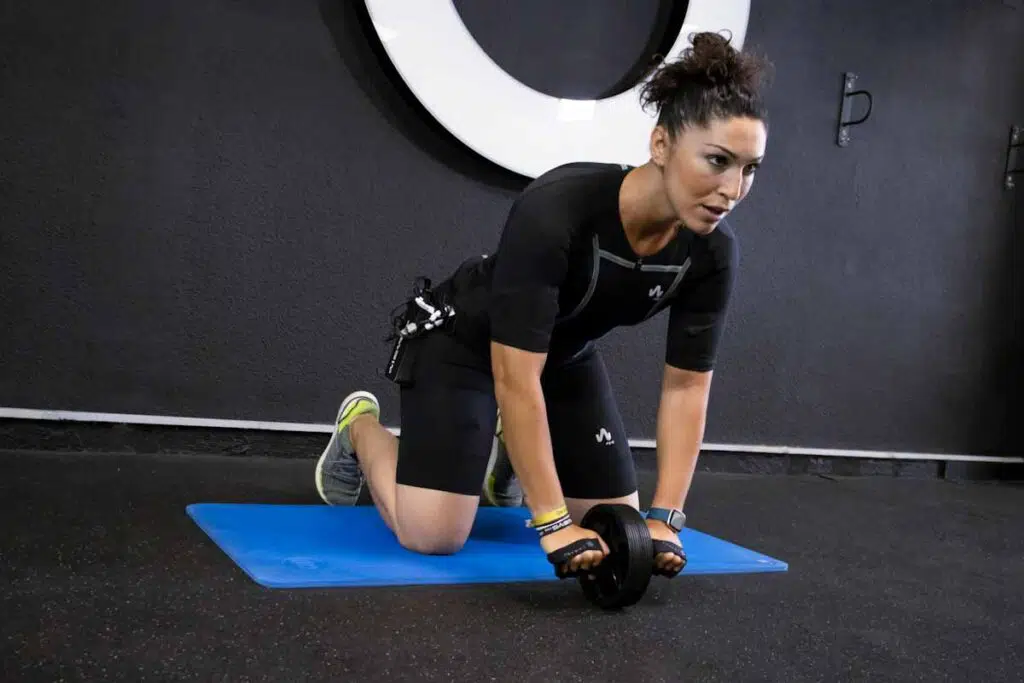
Ever wondered how you manage to catch a falling glass of wine mid-air, or perfectly execute that killer dance move you saw on TikTok? It all boils down to a complex, lightning-fast process that starts way before you even consciously think about it. We're talking about the motor response, and pinpointing exactly where it's initiated is a fascinating journey into the depths of your brain.
The Brain: Grand Central Station for Movement
Think of your brain as Grand Central Station, but instead of trains, it's coordinating billions of electrical signals hurtling through neural pathways. When it comes to movement, several key areas are involved. However, the starting point, the true initiator of the motor response, is a bit more nuanced than you might expect.
The primary suspect? The motor cortex, located in the frontal lobe. Specifically, the precentral gyrus. This is where the conscious decision to move typically originates. Imagine wanting to reach for your coffee. That intention sparks activity in the motor cortex.
Must Read
But hold on! It's not quite that simple.
Beyond the Motor Cortex: A Team Effort
While the motor cortex might be the conductor, it definitely needs an orchestra. Other brain regions play crucial supporting roles in planning, coordinating, and refining our movements.

- The Premotor Cortex & Supplementary Motor Area (SMA): These areas are like the choreographers, planning complex sequences of movements. Think of them as prepping you to play a piano sonata, not just hit a single key.
- The Basal Ganglia: These structures are like the editors, smoothing out movements and suppressing unwanted actions. They're essential for fluid, graceful motion, the kind you see in seasoned athletes.
- The Cerebellum: This area is the ultimate fine-tuner, coordinating balance, posture, and precise movements. It's what allows you to thread a needle or hit a bullseye.
Fun Fact: Ever notice how learning a new skill, like skateboarding, feels clunky and awkward at first? That's because your cerebellum is working overtime to build new neural pathways and refine your movements.
The Unconscious Driver: Reflexes
Of course, not all motor responses are initiated by conscious thought. Reflexes, like pulling your hand away from a hot stove, are incredibly fast and bypass the conscious brain altogether. In these cases, the sensory input (the heat) travels to the spinal cord, which directly triggers a motor response, bypassing the longer route to the brain. It's all about speed and survival!
Practical Tip: Understanding reflexes can help you react faster in emergencies. Practice drills that require quick reactions, like catching a ball or dodging an obstacle. The more you practice, the more ingrained these reflexive responses become.
Initiation in Action: A Real-World Example
Consider a basketball player shooting a free throw. The initial decision to shoot originates in the motor cortex. However, the premotor cortex and SMA have already planned the sequence of movements involved: stance, arm position, release point. The basal ganglia ensure the movement is smooth and controlled, and the cerebellum fine-tunes the trajectory of the ball. All of this happens in a fraction of a second!

Cultural Reference: Think of the movie "The Matrix." When Neo suddenly learns Kung Fu, it's a fantastical (and highly accelerated) representation of the brain creating new motor pathways and refining movements through rapid learning.
The Takeaway: Mindful Movement
While pinpointing a single "initiation point" for motor responses is a simplification, understanding the roles of different brain regions helps us appreciate the incredible complexity of movement. It also highlights the importance of practice, focus, and mindfulness in improving our physical abilities. Next time you're struggling with a new skill, remember that your brain is constantly learning and adapting, building new neural pathways and refining your movements. Be patient, persistent, and enjoy the process!
Daily Reflection: Pay attention to your movements throughout the day. How do you walk? How do you hold your phone? Are there any movements you can make more efficient or graceful? By becoming more aware of our bodies, we can tap into the power of the motor response and move with greater ease and intention.
