Where Does The Sound Of A Doorbell Come From

Ever been engrossed in a nail-biting movie scene, only to be yanked back to reality by that sudden, unmistakable sound? Ding-dong! Or perhaps it’s that slightly more aggressive, almost urgent, DING-DONG! It’s the universal call to action, the household siren that declares, "Someone is at your front door!" But have you ever stopped, mid-dash to the peephole, and wondered, where does that sound actually come from?
For a long time, I secretly suspected it was a tiny, incredibly efficient gnome living inside my wall, just waiting for the cue to whack a miniature gong. Or maybe a highly trained squirrel with an impeccable sense of timing. Because honestly, the sound just appears, right? It’s not like you see a little trumpet popping out of the wall.
The Old-School "Whack-a-Mole" Method
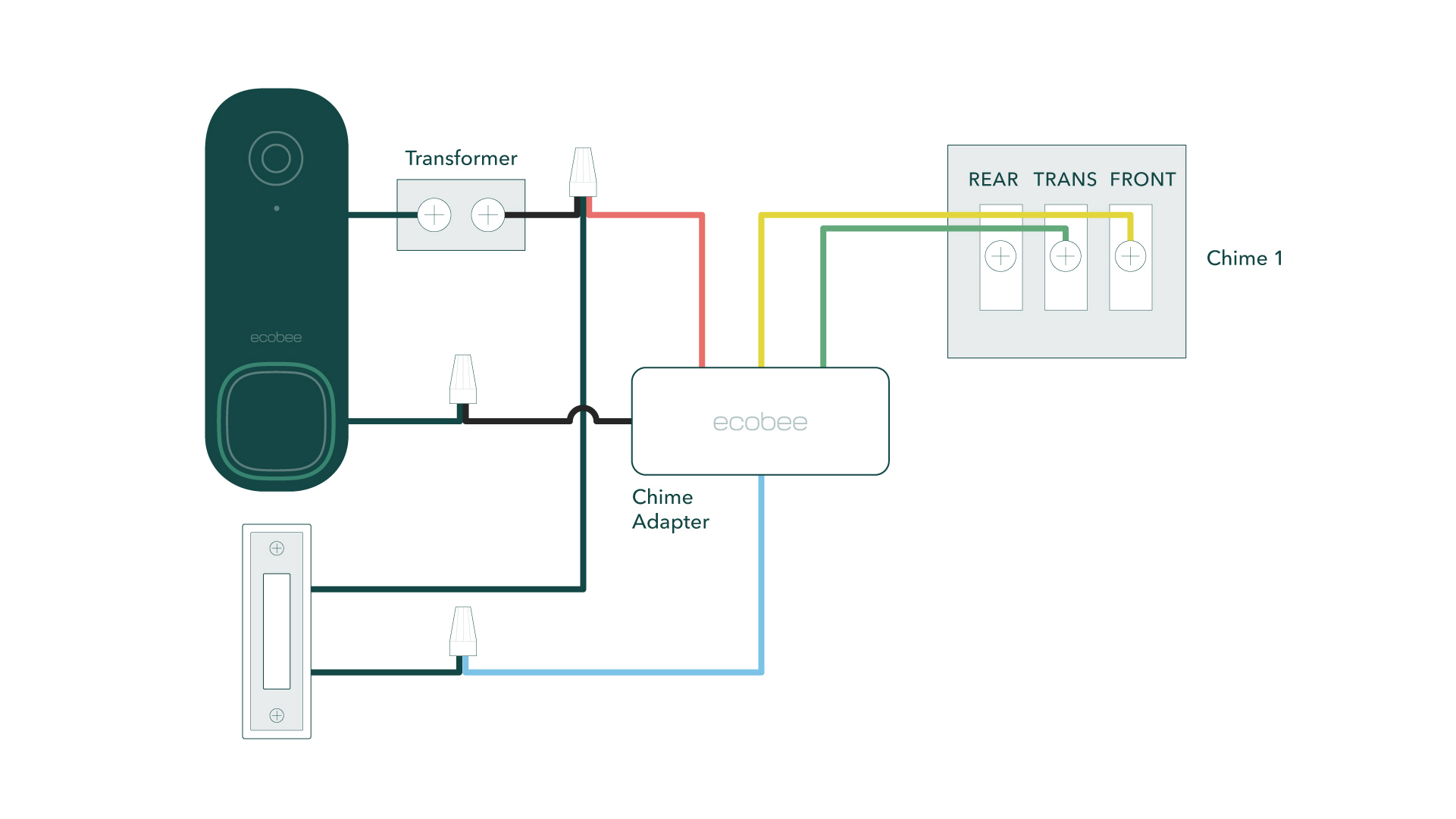
Let's dive into the fascinating, yet surprisingly simple, world of the traditional doorbell. Picture this: your friend presses the button outside. That button isn't just for show, oh no. It completes an electrical circuit. Think of it like a tiny, invisible highway for electricity. When the circuit is complete, it energizes an electromagnet inside your house.
Must Read
Now, an electromagnet is pretty cool. It’s a magnet that's only magnetic when electricity flows through it. And what does this temporary magnet do? It pulls a small metal arm, which then causes a little hammer to strike a metal chime or bell. Wham! Or rather, ding! And then, as the button is released, the circuit breaks, the electromagnet loses its power, and the hammer springs back, often hitting a second chime on its return journey. That's your classic "ding-dong!" Right there, folks. It's like a miniature, incredibly polite percussionist living in your wall, playing a two-note symphony.
It’s a beautiful, elegant dance of electricity and mechanics, a bit like a Rube Goldberg machine designed purely for announcing visitors. No gnomes required, just good old physics!

The Modern Maestro: Digital Delights
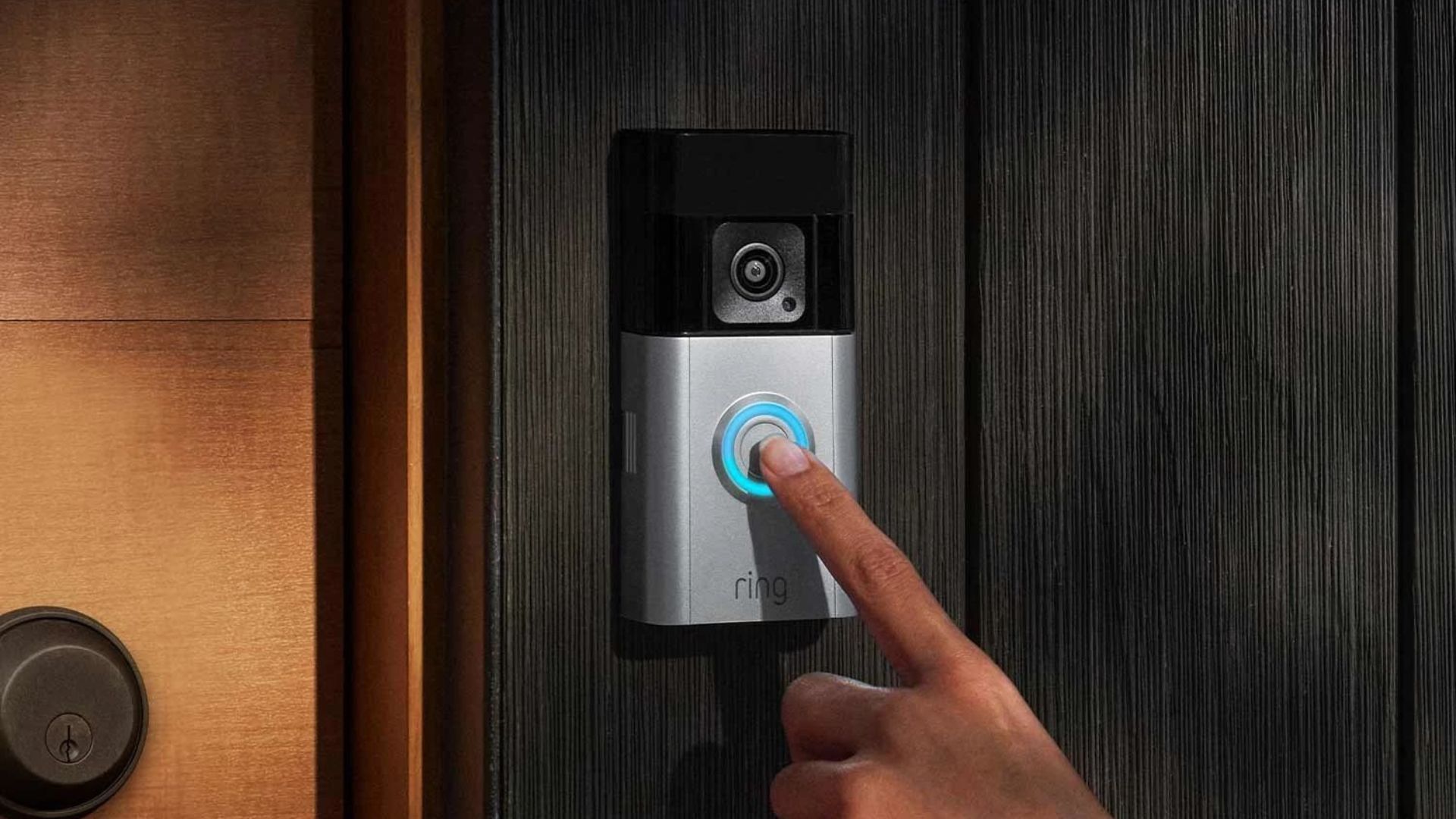
Of course, not all doorbells are still sporting the classic hammer-and-chime setup. Many modern homes have embraced the digital age. These doorbells don't have little hammers striking metal. Instead, when you press the button, that electrical signal zips off to a small computer chip inside the doorbell unit.
This chip is like the doorbell's brain. It holds all sorts of pre-recorded sounds – from the classic "ding-dong" to various melodies, dog barks (my personal favourite for startling guests), or even seasonally appropriate tunes. The chip then sends that sound to a tiny speaker, which broadcasts it for all to hear. It’s like your doorbell has its own personal playlist, ready to serenade your visitors. This is why some doorbells can play "Jingle Bells" in December or a spooky cackle on Halloween. They've got a whole band in there, just miniaturized and digital!
The Invisible Journey to Your Ears
So, whether it's a tiny hammer or a digital sound file, the journey of that sound is pretty impressive. Someone pushes a button, energy travels invisibly, a mechanism activates, and then – poof! – sound waves fill your home. It’s an instant notification system that’s been refined over decades, from simple bells on a string to the sophisticated systems we have today.
Think about it: the moment of anticipation, the gentle thud of your heart as you hear it. Your dog probably goes absolutely bonkers, performing an interpretive dance of pure excitement and territorial defence. You might even jump a little, especially if you were deep in thought, convinced the sound was coming from the TV.
It’s one of those mundane marvels, isn’t it? An everyday piece of technology we barely think about, yet it plays a crucial role in connecting our inner sanctums with the outside world. The next time you hear that distinctive chime, take a moment to appreciate the tiny bit of engineering magic happening right there in your wall. No gnomes, no squirrels, just a brilliant bit of design ensuring you never miss a package delivery or a friendly face. And maybe, just maybe, it’ll still make you smile a little.