
What Thermostat Temperature For Winter

Ah, winter! The time for cozy sweaters, warm mugs, and... the eternal question of the thermostat. It’s a little like a cosmic dance, isn’t it? On one side, you’ve got the yearning for ultimate warmth; on the other, the whisper of your energy bill. So, what’s the secret handshake, the magic number for your winter thermostat? Let’s dive in and get curious!
The Great Goldilocks Dilemma: Not Too Hot, Not Too Cold
Finding that just right temperature for your home in winter can feel like a quest straight out of a fairy tale. You want to be comfy, of course. Nobody enjoys shivering in their own living room, right? But you also don't want your furnace working overtime, guzzling energy like it's preparing for a marathon.
The truth is, there isn't one single, universally agreed-upon "perfect" temperature. It’s less about a rigid rule and more about a personal sweet spot. What feels tropical to one person might feel merely brisk to another. It’s fascinating how our bodies adapt, isn't it?
Must Read
The Comfort Zone: What Feels Good to You?
Let's start with comfort. For many, a daytime temperature between 68°F and 72°F (20°C and 22°C) feels pretty good. This range often strikes a nice balance, allowing you to move around comfortably without needing to bundle up indoors. Think of it as your home's "happy medium."
But here's a thought: what are you wearing? Are you in a t-shirt, or are you rocking your favorite chunky knit sweater? Your clothing choices play a huge role in how warm you perceive your surroundings. A temperature that feels chilly in a light shirt might feel perfectly cozy when you’re wrapped in a blanket or wearing warmer clothes.
The Energy Saver's Secret: Lowering the Bar (Just a Little)
Now, let's talk about the cool, practical side: saving energy. Here’s where it gets really interesting! The general wisdom is that for every degree you lower your thermostat during the winter (for an 8-hour period), you can save roughly 1% on your heating bill. That might not sound like much, but it adds up like magic over a whole season!
Why does this work? Imagine your warm house is a leaky bucket. The bigger the temperature difference between inside (the water in the bucket) and outside (the floor), the faster the heat "leaks" out. By lowering your thermostat, you're essentially putting less water in the bucket, so there's less to leak, and your furnace doesn't have to work as hard to refill it.
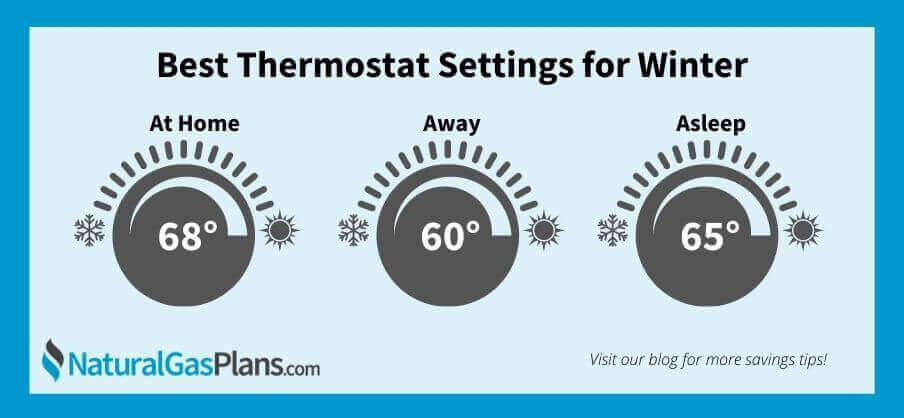
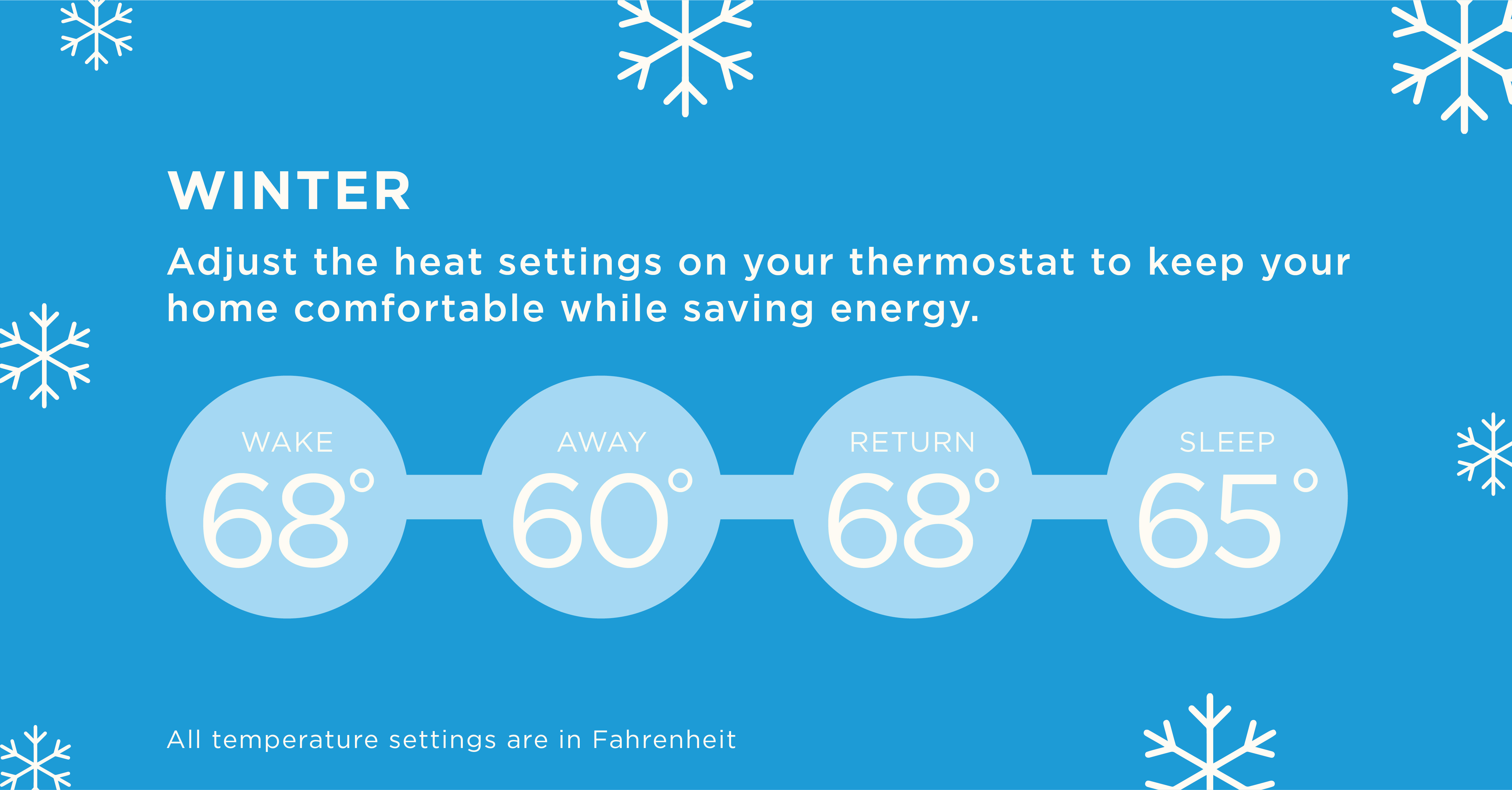
The U.S. Department of Energy actually suggests setting your thermostat to 68°F (20°C) during the day when you're home and awake. That's a good benchmark to start experimenting with.
Nighttime Naps & Away Adventures: Letting Your Furnace Chill Out
Here's a big one: what about when you're asleep or away from home? Does your furnace really need to be working full tilt when you're tucked under a duvet or out running errands? Probably not!
Most experts recommend setting your thermostat back by about 7-10°F (4-6°C) for 8 hours a day. So, if you're usually at 68°F during the day, try setting it to 58-61°F (14-16°C) when you go to bed or leave the house. Your furnace gets to take a well-deserved break, and your wallet will thank you!
Think of it like this: your home doesn't need to be in active party mode when nobody's dancing. Let it relax a bit, just like you do!
Dispelling Myths: The "Reheating" Argument
You might have heard the old adage: "It takes more energy to reheat a cold house than to keep it at a constant temperature." Is this true? Generally, no, it's a persistent myth!
While your furnace does work harder for a short period to bring the temperature back up, the energy saved during the longer period of lower temperature almost always outweighs that initial push. Remember our leaky bucket? Less water, less leaking, period. The physics just don't lie!
Beyond the Number: Other Cozy Hacks
A number on a display isn't the whole story. Here are some other things that make a difference:
- Drafts: Seal up those sneaky cracks around windows and doors! It's like putting a warm blanket on your house.
- Humidity: A little humidity can make a room feel warmer at the same temperature.
- Sunlight: Open curtains and blinds on south-facing windows during the day to let that natural warmth in. Close them at night to trap it.
- Fans: Believe it or not, a ceiling fan set to rotate clockwise on a low speed can push warm air down from the ceiling, making the room feel cozier.
Your Mission, Should You Choose to Accept It...
The best thermostat temperature for your winter is ultimately one you'll discover through a little experimentation. Start by trying that 68°F (20°C) during the day and a 7-10°F setback at night. See how it feels. Maybe you can go a degree lower! Put on an extra sweater, grab a warm drink, and embrace the chill.
It's a journey of finding that sweet spot where comfort meets savings, and that's pretty cool, isn't it?