
What Term Defines Situations That Put A Worker At Risk
Ever walked into your workspace, coffee in hand, ready to conquer the day, and then… whoa! You almost tripped over a rogue cable? Or maybe you’ve seen a stack of boxes teetering precariously, just waiting for a gust of wind – or a clumsy coworker – to send them tumbling?
You know that little flutter in your stomach, that momentary pause where your brain screams, "Hold up! Something isn't quite right here!" Well, dear reader, that intuition is your superpower! And there's a fantastic, super-useful term for what you just encountered. It’s not just a "problem" or "bad luck." Oh no, it’s far more empowering than that!
The Big Reveal: What Do We Call These Sneaky Scenarios?
Drumroll, please! The term we're looking for, the one that perfectly defines situations that put a worker at risk, is a hazard. Yes, a hazard! Sounds simple, right? But understanding what a hazard truly is, and how to spot one, is like unlocking a secret level in the game of life. It makes you a workplace superhero, a champion of safety, and honestly, a much happier human!
Must Read
Think of it this way: a hazard is anything in the workplace that has the potential to cause harm. It's not the harm itself, but the potential. It's the loaded gun, not the bullet. It's the wet floor, not the fall. See the distinction? This is super important because it means we can address it before anyone gets hurt!
Why Should You Care? (Beyond Just Staying Safe, Of Course!)
Now, I know what you might be thinking: "Safety? Sounds a bit… dry." But hold on to your hard hats! Understanding hazards isn't just about ticking boxes or avoiding accidents (though those are pretty great perks!). It's about:

Becoming a Workplace Detective!
Imagine yourself as Sherlock Holmes, but instead of solving mysteries of stolen jewels, you're sniffing out potential dangers! Is that wobbly chair a hazard? Is that overloaded extension cord a hazard? Every day becomes a fun little puzzle. And trust me, spotting a potential problem before it becomes an actual problem feels incredibly satisfying. You're not just working; you're protecting!
Unleashing Your Inner Innovator!
Once you identify a hazard, your brain naturally shifts into solution mode. "How can we fix this? How can we make it better, safer, more efficient?" This isn't just about safety; it's about continuous improvement! You become an active participant in creating a better environment, not just for yourself, but for everyone. Pretty cool, huh?
Boosting Your Zen!
Seriously! When you know your workplace is doing its best to be free of hazards, you can actually relax. That little flutter in your stomach? Gone! You can focus on your tasks, be more creative, and enjoy your work without constantly worrying about what might go wrong. A hazard-free zone is a stress-free zone, and who doesn't want more zen in their day?
Making Work More Fun (Yes, Really!)
When you feel safe and empowered, you enjoy your work more. When you contribute to a positive, secure environment, your team thrives. Fewer accidents mean less downtime, less stress, and more energy for the good stuff – like innovating, collaborating, and maybe even that Friday team lunch without worrying about someone showing up in a cast!
So, What Kinds of Hazards Are We Talking About?
Hazards come in all shapes and sizes, like different kinds of puzzle pieces waiting to be identified! Here are a few common types:
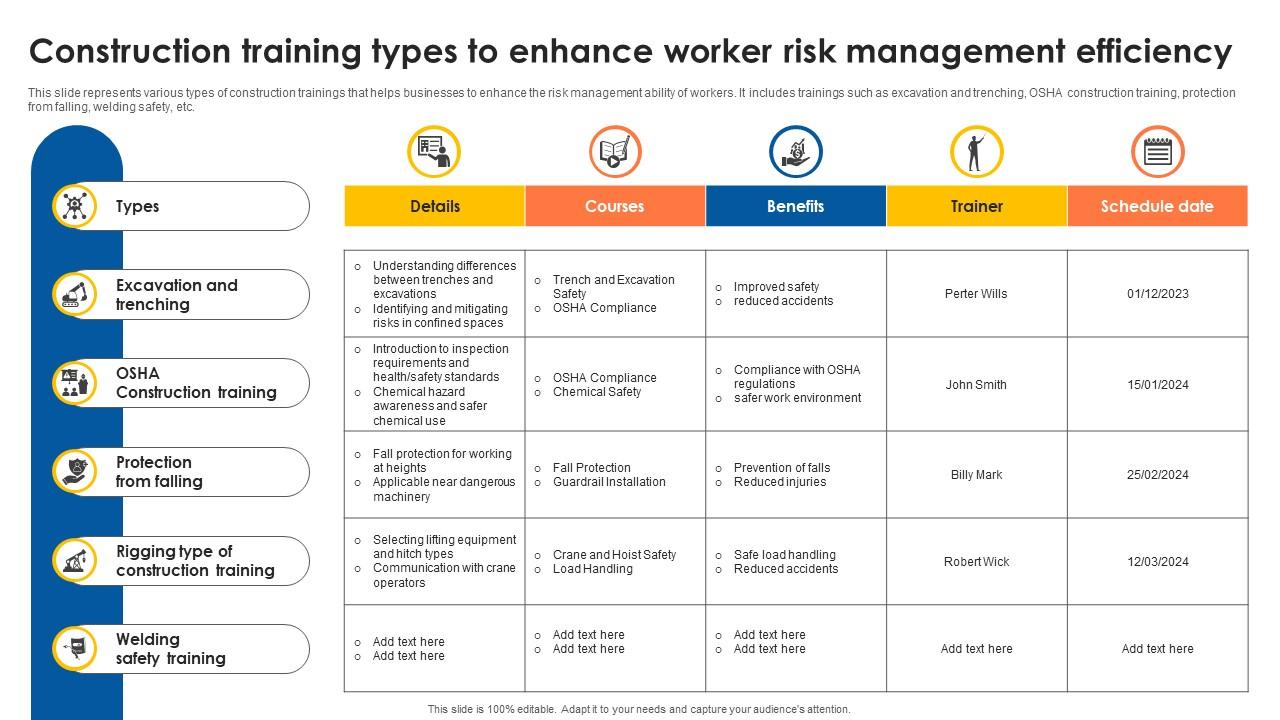
- Physical Hazards: Think things you can trip over, slip on, or bump into. Exposed wires, wet floors, loud noises, extreme temperatures.
- Chemical Hazards: Cleaning supplies, fumes from solvents, dust. Anything that could be inhaled, absorbed, or ingested.
- Biological Hazards: Germs, mold, bacteria, or anything living that could make you sick.
- Ergonomic Hazards: Poor workstation setup, repetitive movements, awkward postures. These can lead to strains and sprains over time.
- Psychosocial Hazards: While not a physical object, things like stress, bullying, or long working hours can also have a negative impact on a worker's health and well-being.
See? It's a whole world out there just waiting for your keen eye!
Your Mission, Should You Choose to Accept It…
Now that you know the magic word – hazard – your mission, should you choose to accept it, is to start seeing your workplace with new eyes. Not with fear, but with curiosity and a dash of playfulness.

When you spot something that looks like it could cause harm, ask yourself: "Is this a hazard?" Then, here's the best part: report it! Be part of the solution. Your insights are incredibly valuable. You’re not just an employee; you’re a vital component of a safe and thriving community.
Understanding what defines situations that put a worker at risk isn't just about preventing accidents; it's about creating an environment where everyone can flourish, be their best selves, and genuinely enjoy the work they do. It empowers you, protects your colleagues, and frankly, makes the world a little brighter.
So go forth, workplace champions! Start your hazard hunt with a smile, a keen eye, and the knowledge that you're making a real difference. The more you learn, the safer, happier, and more productive your work life – and everyone else's – will be. Isn't that an inspiring thought?