What Produce Carbon Monoxide At Home
In the symphony of our homes, there are countless hidden processes at play, contributing to our comfort, warmth, and daily routines. Sometimes, understanding these unseen elements can feel like unlocking a secret code to a safer, more harmonious living space. Today, we're going to shine a light on one such invisible force, not to create it, but to understand and respect it: the potential for carbon monoxide (CO) production in our homes. Far from being a creative project, mastering knowledge about CO is an act of profound care and ingenuity, transforming you into a guardian of your household's well-being.
Think of it as becoming a detective of domestic tranquility. For the curious homeowner, the dedicated family member, or even the casual learner looking to elevate their home safety IQ, grasping the basics of carbon monoxide sources offers immense benefits. It’s about empowerment – knowing how to identify potential risks allows you to proactively safeguard your loved ones and your sanctuary. You gain a deeper appreciation for your appliances and the vital importance of their proper function and maintenance. It turns passive living into active, informed living, fostering a truly secure environment.
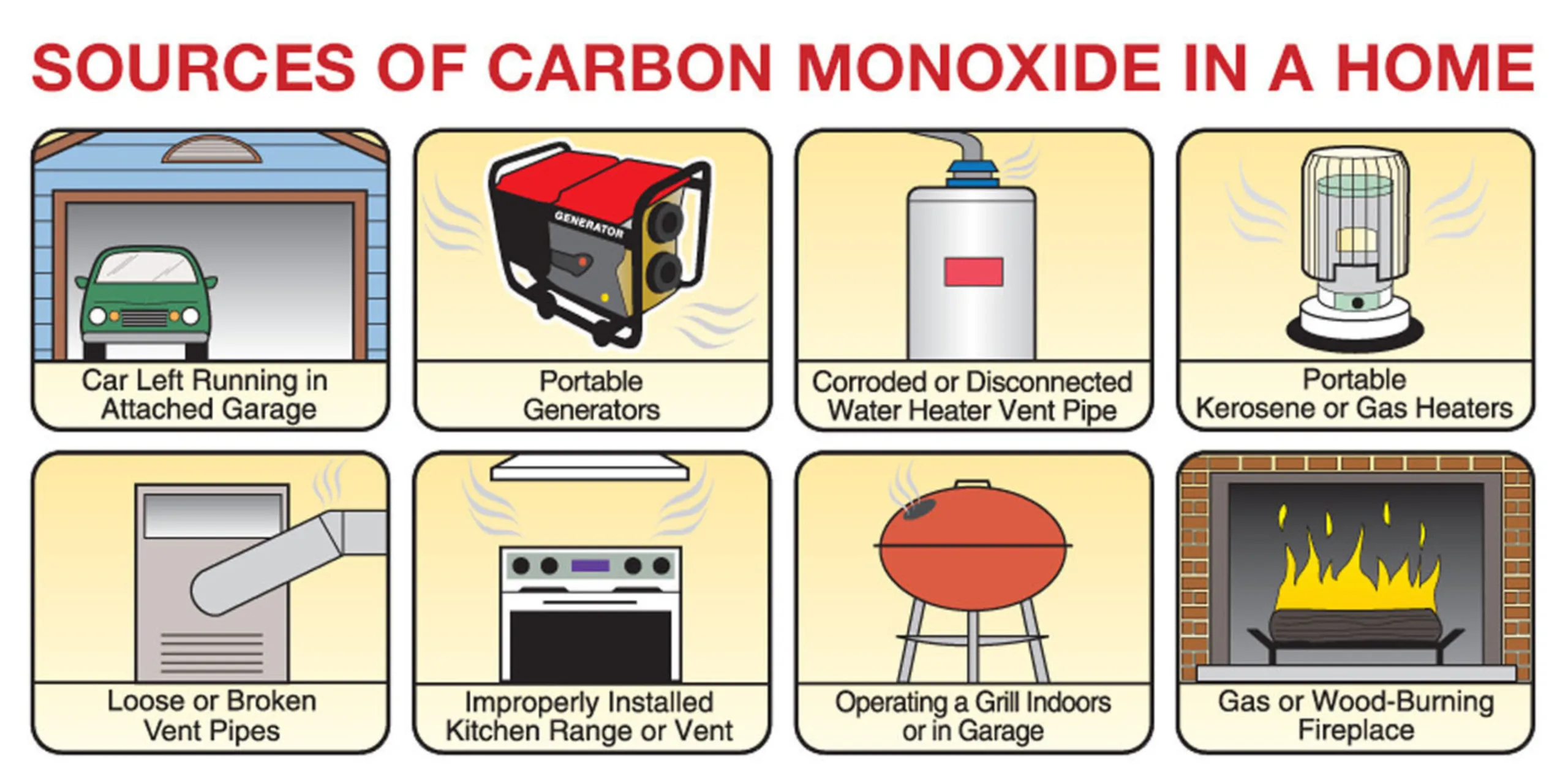
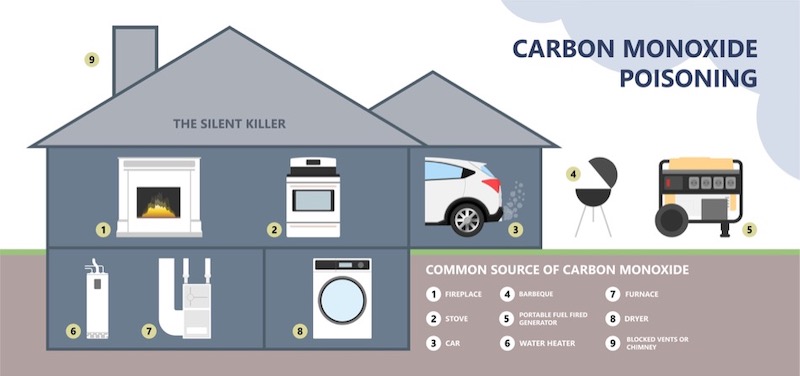
So, what are these silent contributors to potential carbon monoxide presence? They are often the very items we rely on daily. Imagine your cozy fireplace: while beautiful, a blocked or improperly maintained chimney can prevent the safe venting of combustion gases. Your efficient gas furnace or water heater, the unsung heroes of warmth and hot showers, can become a source if their exhaust vents are compromised or if they haven’t had their annual professional check-up. Even your trusty gas stove, designed for delicious meals, can contribute to unsafe CO levels if ventilation is poor or if it’s used to heat the home. Other culprits include portable generators used too close to the house or in an enclosed space, charcoal grills brought indoors (a definite no-no!), and even a car left running in an attached garage. Each of these scenarios represents a potential variation in how this gas can creep into our living areas, underscoring the need for vigilance.
Must Read
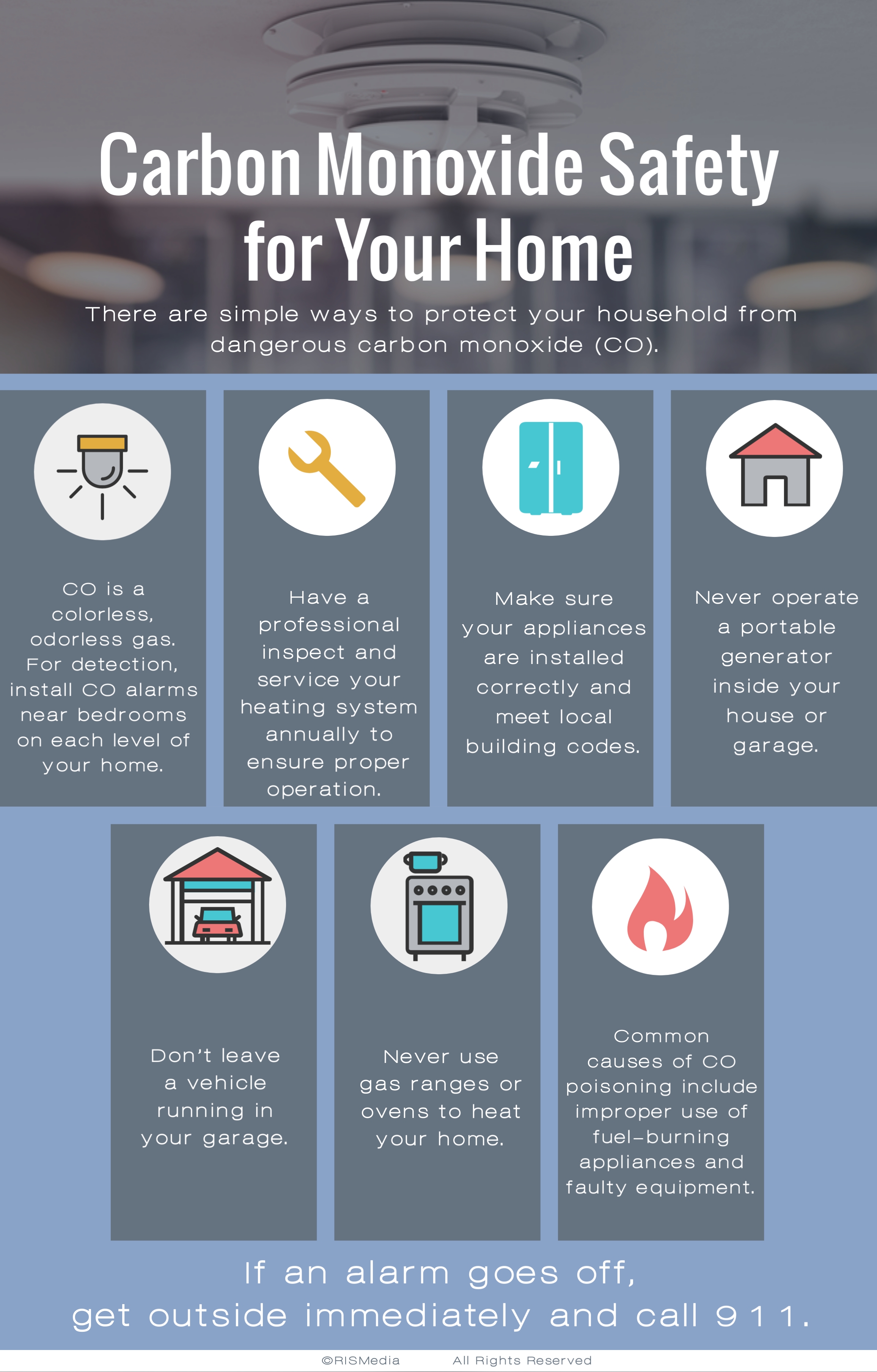
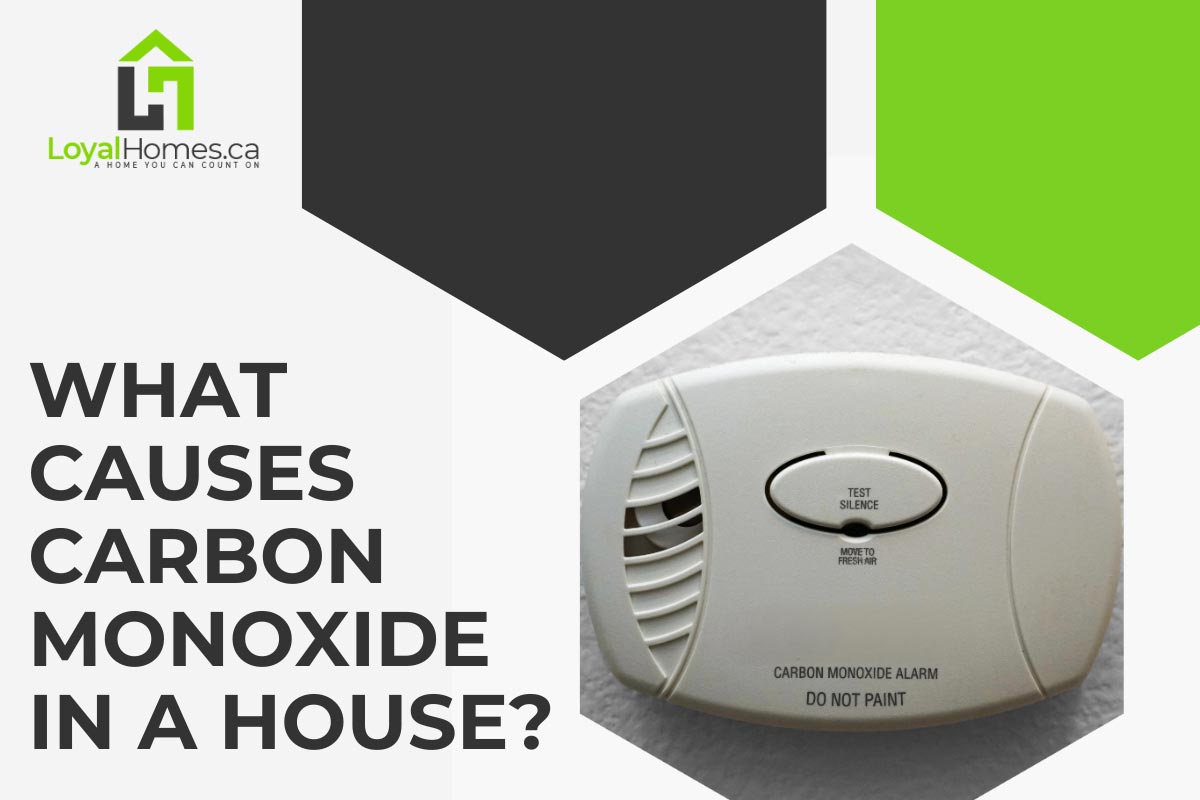
Now, for the practical "tips for trying it at home" – but let’s be absolutely clear: this is about preventing carbon monoxide exposure, not producing it! The single most crucial step you can take is to install carbon monoxide detectors on every level of your home, especially near sleeping areas. These vigilant guardians are your first line of defense, sounding an alarm long before you might notice any symptoms. Secondly, ensure all gas-burning appliances (furnaces, water heaters, stoves, dryers) are serviced annually by a qualified professional. They can spot and fix issues that could lead to CO leaks. Always ensure proper ventilation when using gas appliances, and never, ever use a charcoal grill or a portable generator indoors. If you have an attached garage, never leave your car running inside, even for a moment. Knowing the subtle symptoms of CO poisoning (headache, dizziness, nausea, fatigue) is also vital, prompting you to seek fresh air and professional help immediately if you suspect a problem.
The true enjoyment in understanding carbon monoxide isn’t found in its presence, but in the profound satisfaction of its absence. It’s the peace of mind knowing you’ve taken proactive steps to protect your home and family. It’s the quiet confidence that comes from being an informed homeowner, transforming potential hidden dangers into opportunities for enhanced safety. In the end, becoming knowledgeable about carbon monoxide isn't just smart; it's a testament to the enduring love we have for our homes and those who share them.