
What Is The Best In Home Security System
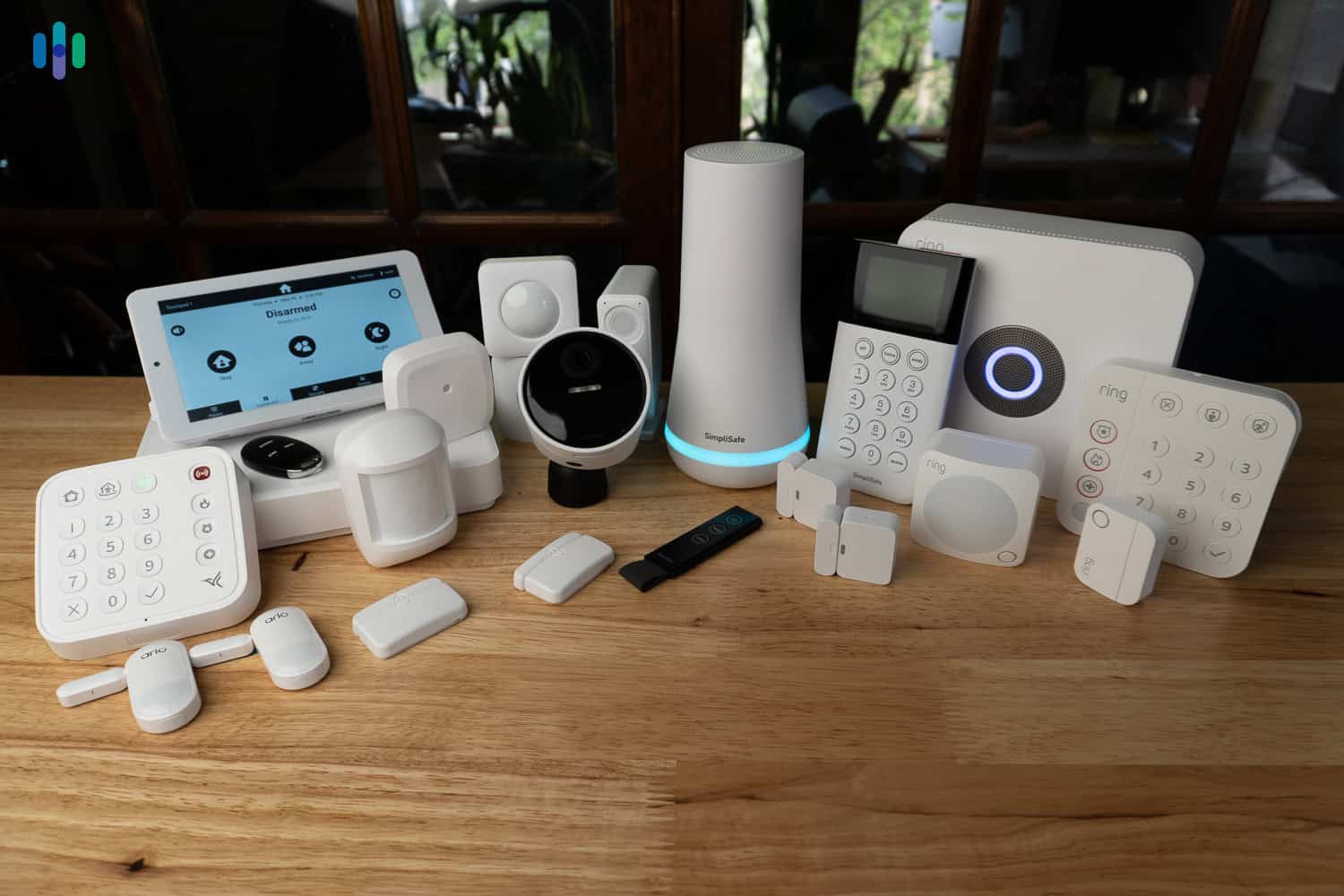
Okay, so you’re thinking about getting an in-home security system, huh? Welcome to the jungle, my friend! It's like trying to pick out a new phone – a million options, everyone swearing theirs is the best, and you just want something that, you know, works. And maybe doesn't cost an arm and a leg? Or worse, confuse you so much you just give up and buy a really loud dog whistle.
Here’s the thing: there isn’t one single, magical "best" security system for everyone. Nope. It’s more like finding your perfect coffee order. Do you like it simple and black? Or a triple-shot, extra-foam, caramel drizzle, no-whip, half-caf, oat milk latte? Your home security is just as personal, believe it or not.
So, instead of a definitive list (which would be a lie, honestly), let’s chat about what you need to consider to figure out what’s best for you. Sound good? Pull up a chair.
Must Read
DIY or Call the Pros?
First up, are you a
DIY systems, like many you see advertised, are fantastic if you’re comfortable with a screwdriver (or even just peeling off some sticky tape). They’re often super flexible, no long-term contracts, and you can usually add components whenever you want. Think of it like building your own LEGO fort, but for security. You put it together, you run the app, you’re the boss. It’s empowering, and usually lighter on the wallet initially. But remember, you’re the one troubleshooting if something goes wonky.
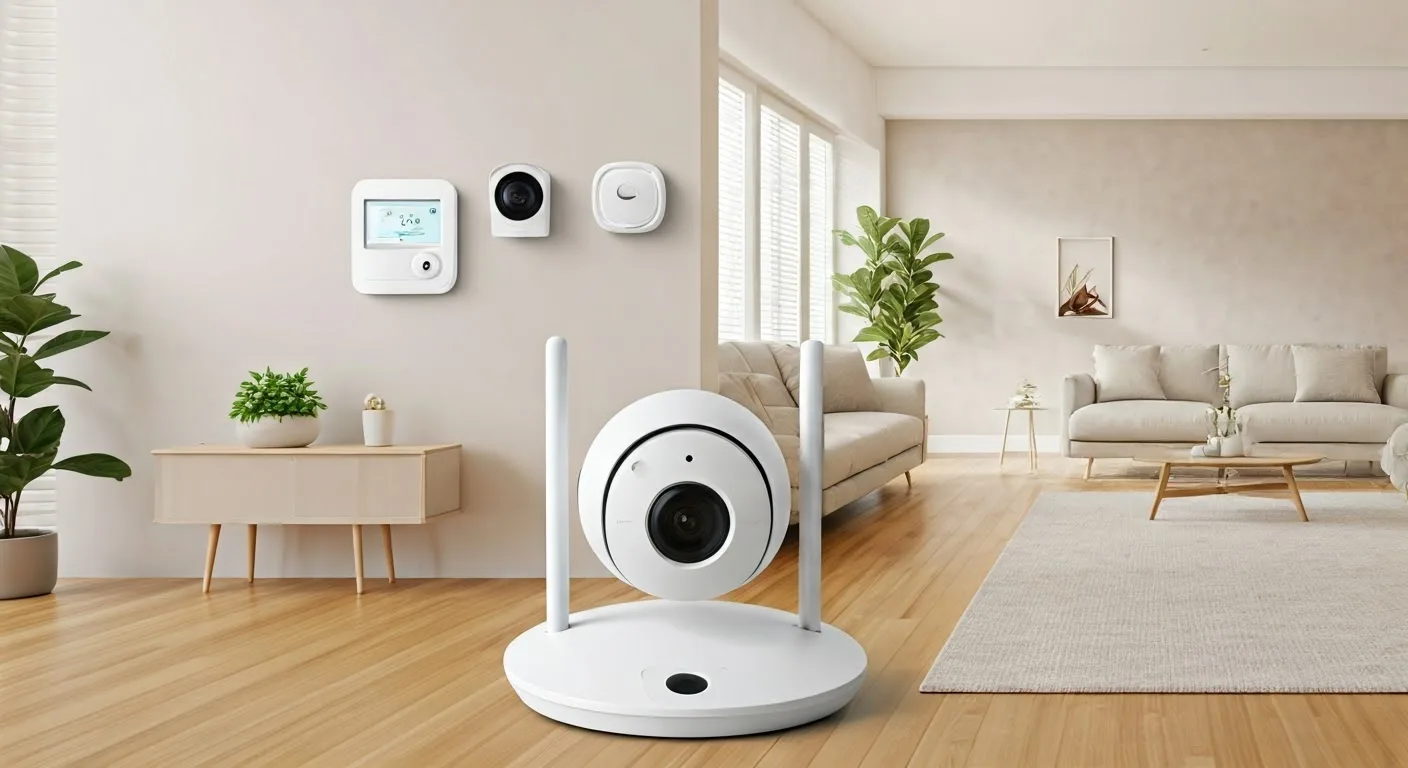
Then there are the professionally installed systems. These are for those of us who prefer to point to a spot and say, "Put it there, please." Companies come out, they install everything, they make sure it works, and they usually offer professional monitoring (more on that in a sec). It’s often more expensive upfront and monthly, but you get that sweet, sweet peace of mind that someone else is handling the techy bits. Ideal if your tech-savviness peaks at turning your TV on.
Monitoring – Who’s Watching the Watchers?
Alright, so once your system is in place, who’s actually keeping an eye on things? This is another big fork in the road.
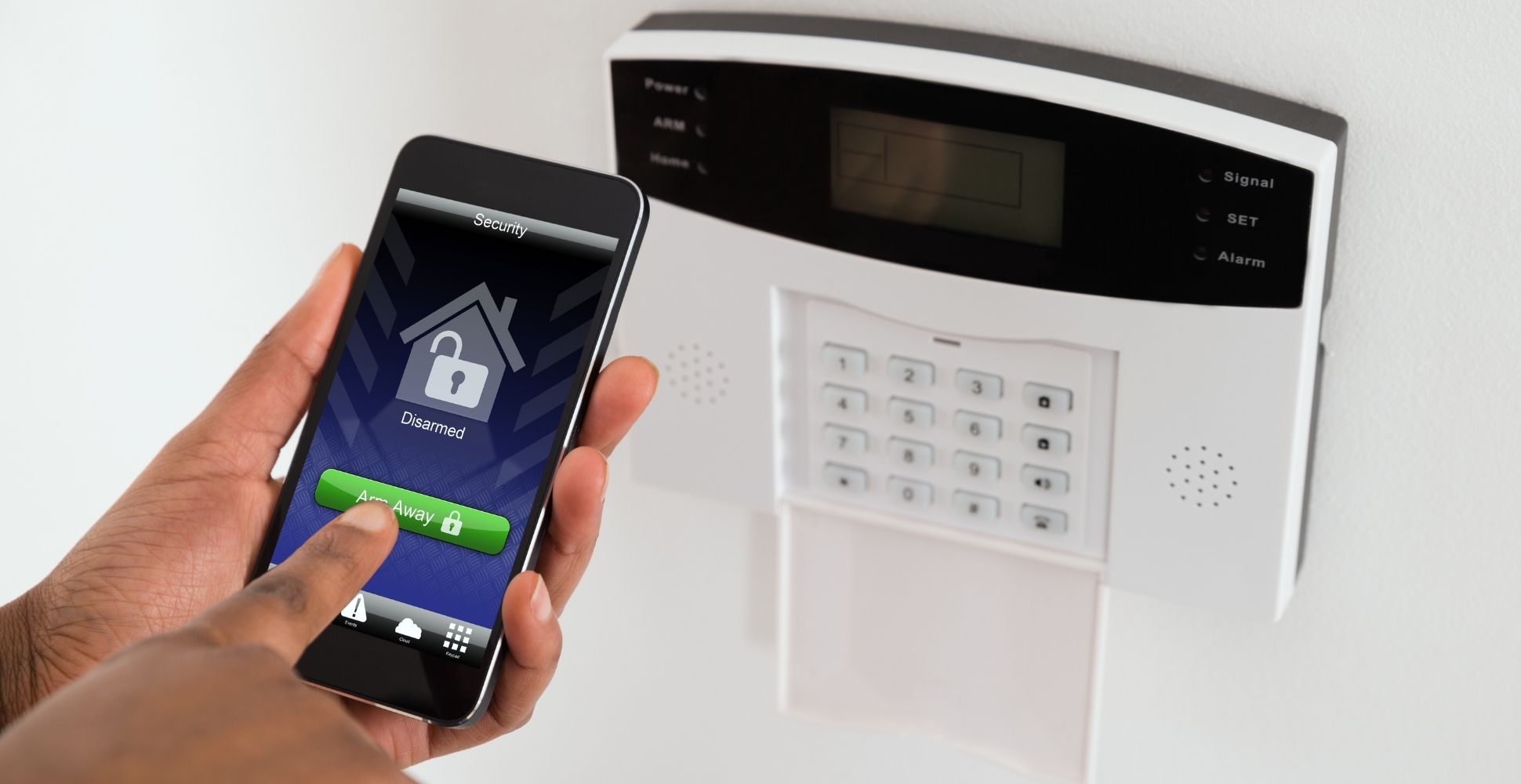
Self-monitoring means you’re the first line of defense. Your phone gets the alerts – "Door sensor triggered!" "Motion detected in living room!" You then decide if it’s an actual intruder or just your cat doing parkour. It’s free, responsive, and puts you in control. But, you know, if you’re on a silent retreat in the mountains or just really into that Netflix show, you might miss something important. Are you ready to be the commander-in-chief of your own mini-security empire?

Professional monitoring is where a central station gets those alerts. If an alarm goes off, they call you. If you don't answer or confirm it's a false alarm, they call the police/fire department for you. This is the "someone else handles it" option. It costs a monthly fee, but it can be a lifesaver, especially if you travel a lot or just want that extra layer of assurance. Imagine getting a call at 3 AM from an alarm company saying, "Hey, we just dispatched police to your house." It’s certainly a wake-up call, but also a relief.
What Gizmos Do You Actually Need?
Now for the fun part: the gadgets! Don't get sucked into buying everything just because it looks cool. Think about your actual needs.
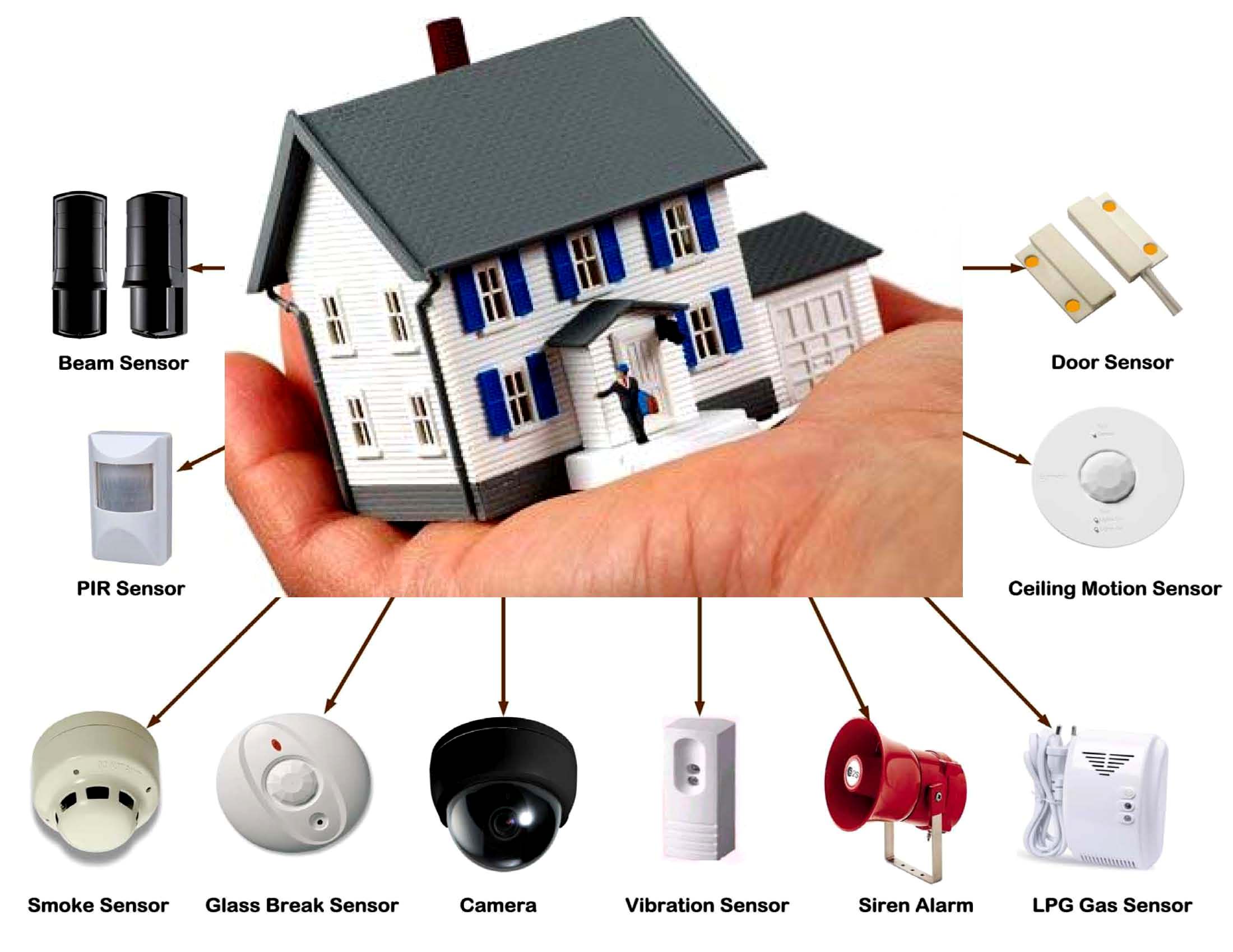
At a minimum, most people want door and window sensors (for entry points) and maybe a motion sensor for a main room. That's your basic shield. Beyond that, what’s your biggest concern?
Cameras are huge right now. Do you want an outdoor camera for package thieves? A doorbell camera to see who’s knocking before you open the door (or to tell the kids to get off your lawn)? Or maybe an indoor camera to check on pets or loved ones? Decide if you need real-time viewing, two-way talk, or recorded video storage (which often costs extra). And honestly, who doesn't love getting a notification that their dog is trying to eat the sofa again?
Then there’s smart home integration. Do you want your security system to talk to your smart lights, thermostat, or voice assistant? Some systems play really nicely with others, creating a truly automated home. Others are more standalone. It’s pretty neat to have your lights flash when an alarm goes off, but maybe that’s overkill for you.
The All-Important Budget Talk
Let’s be real. Money matters. Security systems vary wildly in price. You can find basic DIY kits for a couple hundred bucks, or professional setups that cost thousands upfront and a hefty monthly fee. Because let's be real, nobody wants a monthly bill that rivals their fancy coffee habit.
Consider the upfront cost of equipment versus the monthly monitoring fees. Sometimes, a slightly higher upfront cost can mean lower monthly fees, or vice-versa. And be wary of hidden fees or long-term contracts! Always read the fine print, because nobody likes surprises when it comes to their bank account.
So, what’s the best in-home security system? It’s the one that fits your lifestyle, your budget, and gives you the most peace of mind. Take a breath, think about what truly matters to you, and don't be afraid to compare a few options. You’ve got this!