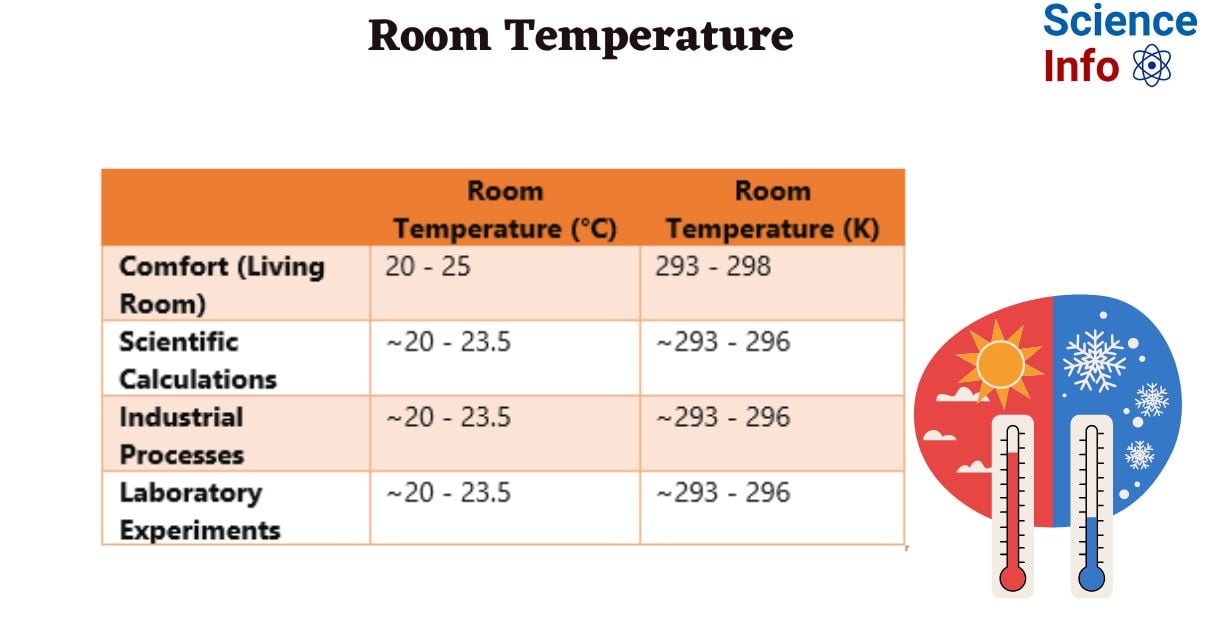
What Is A Comfortable Room Temperature
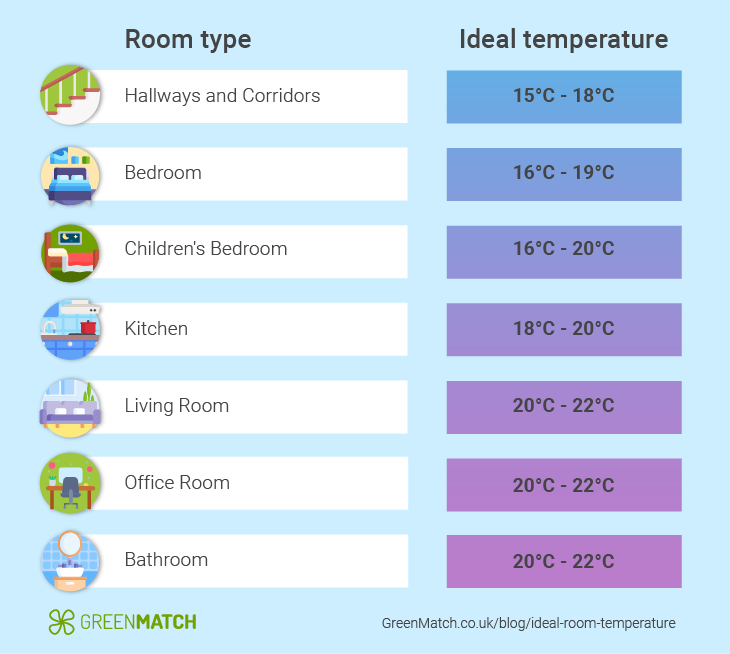
Ever walked into a room and instantly felt, "Ah, this is nice," or conversely, shivered, or broke into a sweat? It's a universal experience, isn't it? We all have that ideal sweet spot when it comes to the air around us, but what exactly is a comfortable room temperature, and why is it so elusive? Exploring this isn't just about tweaking the thermostat; it's a fascinating dive into psychology, physiology, and even physics, and it’s surprisingly relevant to our daily well-being and productivity.
The purpose of finding your ideal room temperature goes far beyond simply avoiding goosebumps or perspiration. It’s about creating an environment where your body can function optimally without expending extra energy to cool down or warm up. The benefits are manifold: better sleep quality, enhanced concentration, reduced stress, and even improved mood. When you're truly comfortable, your mind is free to focus on tasks, engage in conversations, or simply relax, rather than being distracted by physical discomfort. It’s about creating a personal microclimate that fosters a sense of calm and efficiency.
This quest for thermal comfort plays a huge role in both daily life and more structured environments like education. Think about trying to study in an overheated library, or taking an exam in a freezing classroom – your focus immediately shifts from the material to your discomfort. In our homes, finding the right temperature is crucial for a good night's sleep, for enjoying a meal, or for simply unwinding. Many workplaces now invest in intelligent climate control precisely because research shows a direct link between thermal comfort and employee productivity and well-being. Even hospitals and care facilities meticulously regulate temperatures to support patient recovery and comfort, showcasing its critical importance beyond just personal preference.
Must Read
So, how can you explore your own comfortable room temperature? It's simpler than you might think! Start by becoming more aware of how different temperatures make you feel throughout the day. Does 72°F feel perfect when you're active but too warm when you're sedentary? Pay attention to factors beyond just the number on the thermostat. Humidity plays a massive role – a dry 75°F can feel very different from a humid 75°F. Air circulation, like a gentle fan, can also make a warmer room feel more pleasant. Try experimenting with layering your clothing instead of constantly adjusting the thermostat. The best sensor for your comfort is ultimately your own body. Listen to it, experiment a little, and you might just discover your perfect personal climate, making every room a little more "Ah, this is nice."