What Happens If Lightning Strikes A House

Ever found yourself watching a fierce thunderstorm, captivated by the raw power of nature, and wondered, "What if lightning actually hit my house?" It's a natural human curiosity, a blend of awe and a tiny bit of fear. Lightning strikes are dramatic, rare for any single house, but incredibly powerful. This topic is fascinating precisely because it taps into our primal respect for nature's fury and our desire to understand the world around us. Plus, knowing what actually happens can help dispel myths and replace them with useful, practical knowledge.
The purpose of this article is to peel back the layers of mystery surrounding lightning and your home. We'll explore the real-world effects of a direct hit, giving you a clearer picture of what's at stake and, perhaps more importantly, why your house is generally a safe haven during a storm. The benefit? A better understanding of this incredible natural phenomenon, less unnecessary worry, and the peace of mind that comes from being informed.
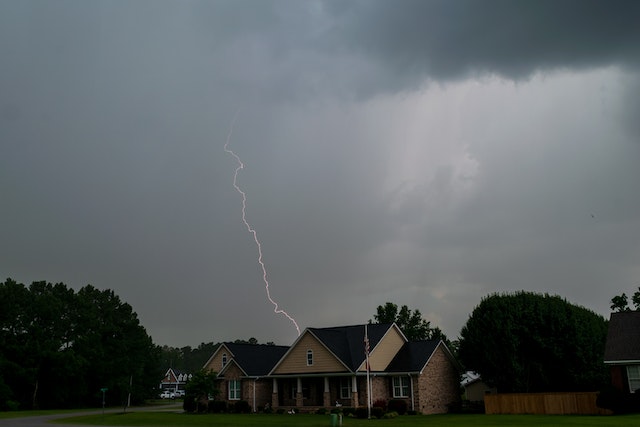
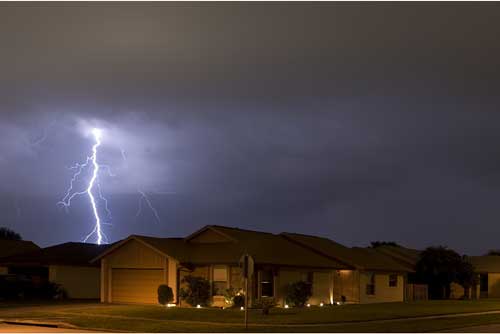
So, let's get down to it! When lightning decides to make a direct connection with a house, it's not just a gentle tap. Lightning is essentially a massive, super-heated electrical current looking for the easiest path to the ground. If your house happens to be in that path, it essentially becomes part of the circuit – and things get intense.
Must Read
One of the first things you might notice, if you're close enough (and safe indoors!), is an incredibly loud boom. This isn't just thunder; it's the air around the lightning channel heating up almost instantly to 50,000 degrees Fahrenheit, expanding explosively. That's louder than a jet engine at takeoff! Structurally, a direct strike can cause a variety of damage. It might blow a hole in the roof, shatter bricks, or even create cracks in walls. If there's moisture within the concrete or brick, the heat can instantly vaporize it, causing it to explode outwards like tiny bombs. Chimneys are particularly vulnerable because they're often the highest point and contain air pockets.
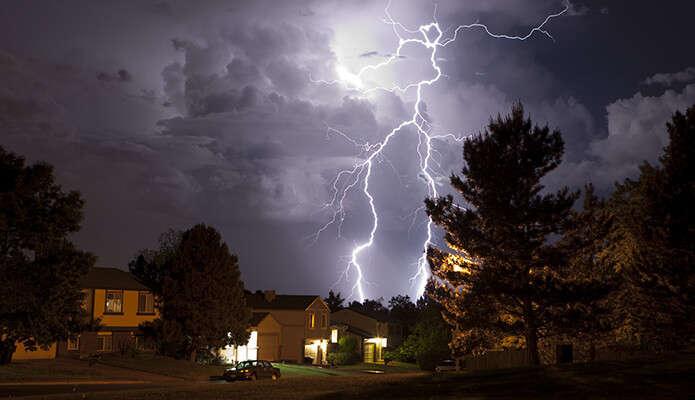
But the most common and often most devastating damage comes from the lightning's electrical current. When it hits, it races through anything conductive to get to the ground. This usually means your home's electrical wiring, plumbing, and even gas lines. The result? A massive power surge that can instantly fry un-protected appliances and electronics. Your TV, computer, refrigerator, and anything else plugged in can be rendered useless in a flash. Circuit breakers will almost certainly trip, and there's a significant risk of electrical fires as wires overheat or sparks ignite flammable materials. Sometimes, the current can even travel through telephone or internet lines, damaging connected devices.
It's important to remember that while the potential for damage is real, houses are actually quite safe during thunderstorms. Modern building codes and materials offer a good degree of protection, and many homes are equipped with surge protectors that can mitigate some of the electrical damage. Lightning rods, though not common on every home, are specifically designed to intercept a strike and safely channel the current into the ground, protecting the structure. So, next time a storm rolls in, you can still enjoy the show, knowing you're generally safe, and now a little more informed about what's happening up there!