
What Group Makes Each Amino Acid Unique
Hey there, science enthusiasts (and soon-to-be science enthusiasts)! Ever wondered what makes a protein… well, a protein? Or even more basic, what makes each of the 20-ish amino acids so darn unique? Buckle up, because we're about to dive into the wonderful world of biochemistry, and trust me, it's way more fun than it sounds!
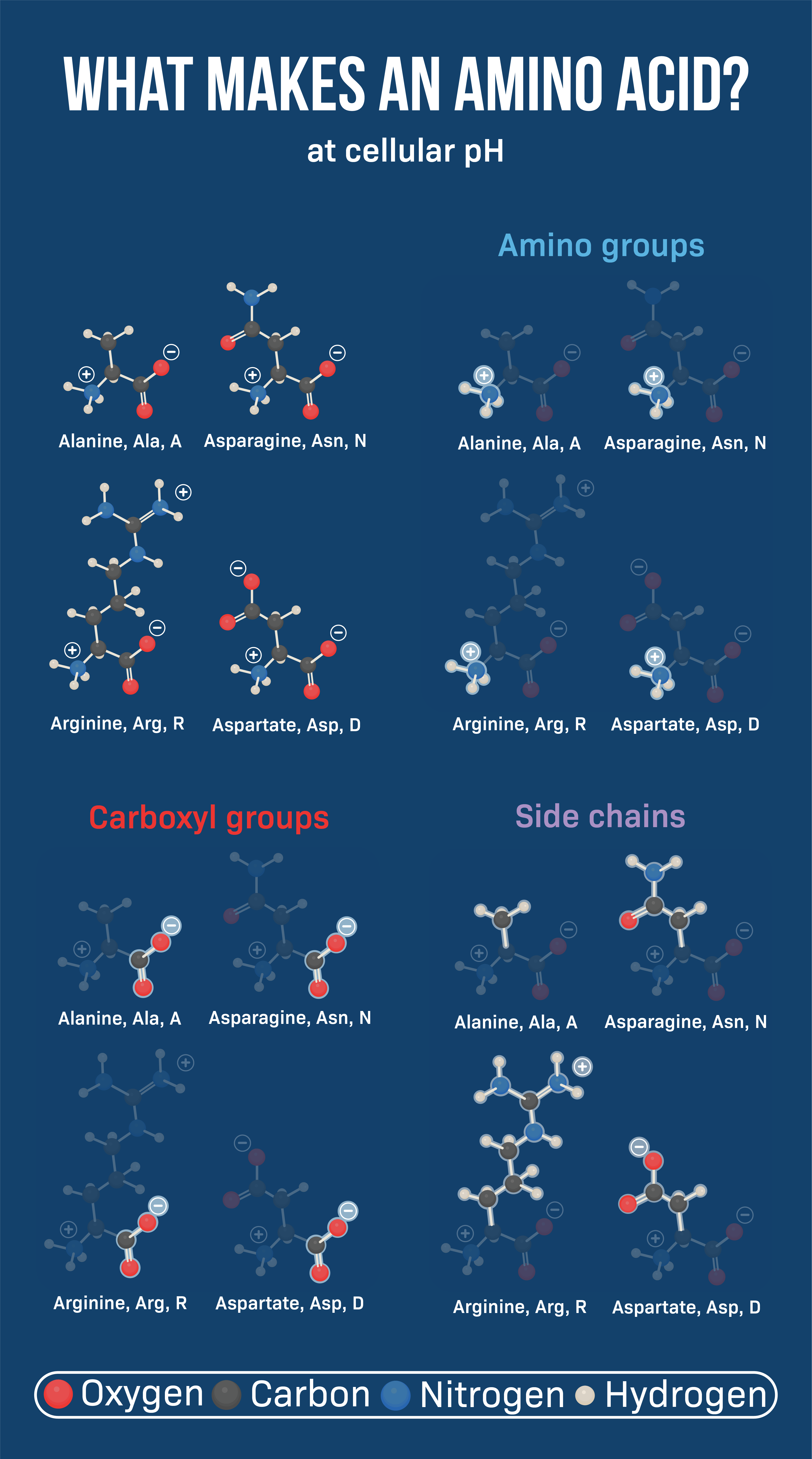
You see, all amino acids share a common structure. Think of it like a basic car chassis. They all have a central carbon atom (the alpha carbon, if you want to get technical!), an amino group (NH2), a carboxyl group (COOH), and a hydrogen atom. Sounds complicated? Don't sweat it! Just imagine a Lego block with a few standard attachments. So, what's the big deal? What makes each amino acid a unique snowflake?
The Mighty R-Group: The Secret Sauce of Amino Acid Identity
Here it is, folks: the answer you've been waiting for! It's the R-group! Also known as the side chain. This little chemical appendage is what sets each amino acid apart. It's the unique part of the Lego block that makes it a special piece.
Must Read
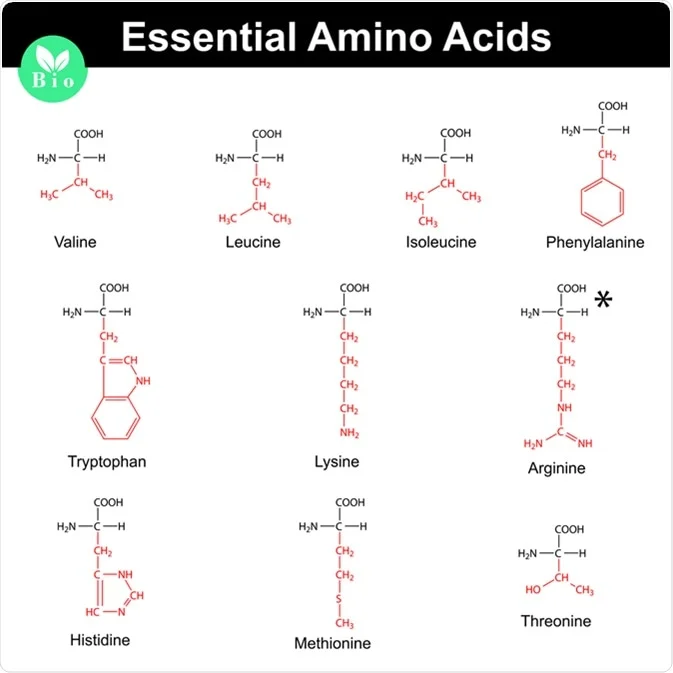
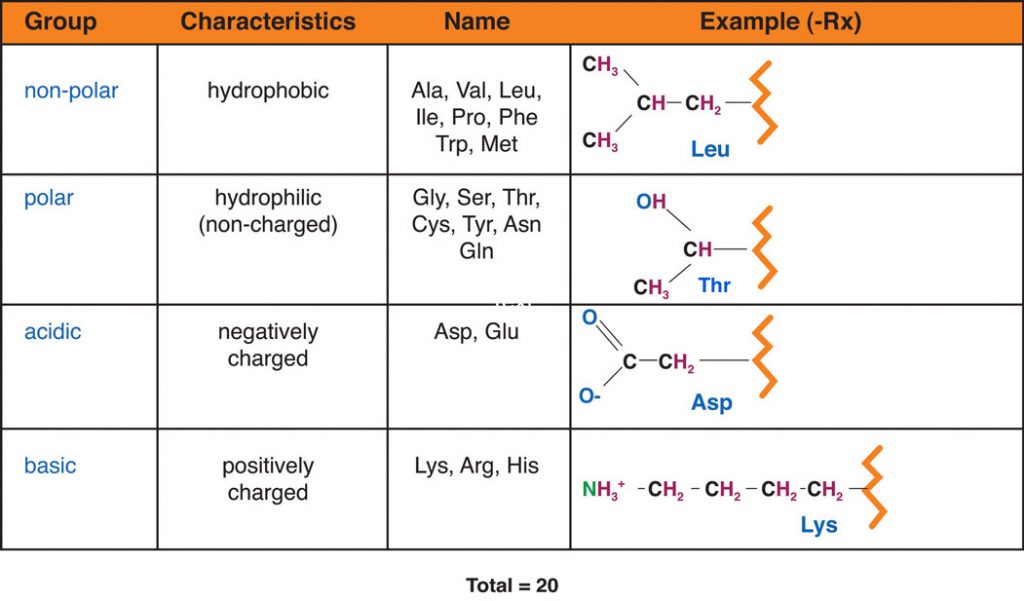
Think of the R-group as the amino acid's personality. Some R-groups are small and simple, like the hydrogen atom in glycine (making it the smallest amino acid). Others are bulky and complex, like the indole ring in tryptophan. Some are positively charged, some are negatively charged, and some are neutral. They can be hydrophilic (water-loving) or hydrophobic (water-fearing). It’s like a whole chemistry dating app based on attraction or repulsion with water!
Why is this so important? Because the R-group dictates how the amino acid interacts with other molecules, including other amino acids. These interactions are crucial for protein folding, protein function, and, ultimately, for life itself!

Imagine a long chain of amino acids linked together. This is a polypeptide chain, the primary structure of a protein. But proteins aren't just straight chains; they fold into complex 3D shapes. These shapes are determined by the interactions between the R-groups. Hydrophobic R-groups tend to cluster together in the interior of the protein, away from water. Hydrophilic R-groups hang out on the surface, interacting with water. Charged R-groups attract or repel each other, further influencing the shape.
It’s all about the interactions, baby!
Examples to Spark Your Interest!
Let’s look at a few examples to make this even clearer:
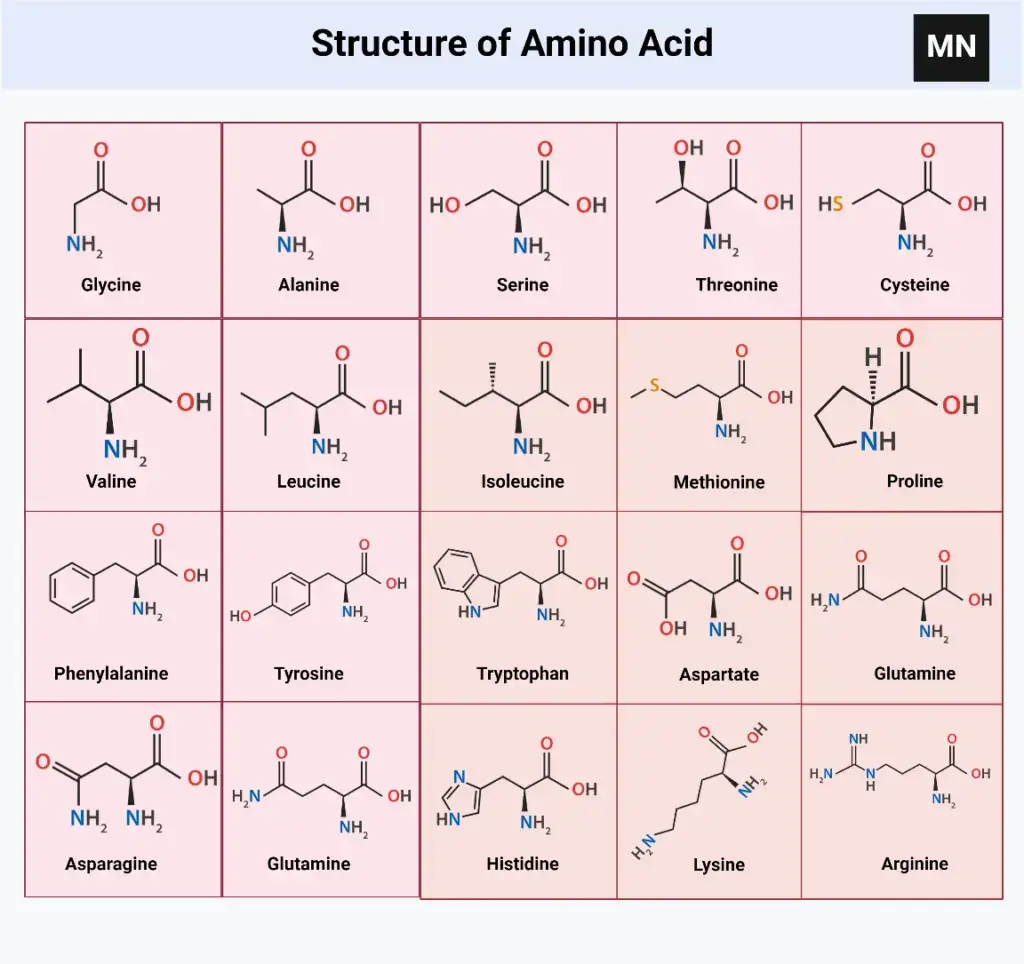
- Alanine: Has a simple methyl group (CH3) as its R-group. Pretty basic, but still important!
- Serine: Has a hydroxyl group (OH) as its R-group. This makes it hydrophilic and able to form hydrogen bonds.
- Phenylalanine: Has a large, bulky phenyl ring as its R-group. This makes it hydrophobic and contributes to the protein's core structure.
- Glutamic Acid: Has a carboxyl group (COOH) in its R-group. This makes it negatively charged (acidic) and allows it to form ionic bonds.
- Lysine: Has an amino group (NH2) in its R-group. This makes it positively charged (basic) and also allows it to form ionic bonds.
See how different they all are? And these are just a few! Each R-group brings something unique to the table, influencing the protein's overall structure and function.
Consider this: Enzymes are proteins that catalyze (speed up) biochemical reactions. The specific shape of an enzyme's active site (where the reaction takes place) is determined by the arrangement of amino acids and their R-groups. This precise arrangement allows the enzyme to bind to its substrate (the molecule it acts upon) with high specificity. It's like a lock and key! Without the right R-groups in the right places, the enzyme wouldn't work.
Why Should You Care? It’s All About The Bigger Picture!
Okay, so you know what makes each amino acid unique. But why should you care? Because understanding the role of R-groups helps you understand how proteins work, and proteins are the workhorses of the cell! They do everything from transporting molecules to fighting off infections to building tissues. In other words, they are fundamental to life!
Understanding the basics of amino acids and their R-groups opens up a whole new world of understanding. You can start to understand how genetic mutations can affect protein structure and function, leading to disease. You can start to appreciate the complexity and elegance of biological systems. And, who knows, maybe you'll even be inspired to pursue a career in biochemistry or related field!
Think about it: Everything from the color of your eyes to your ability to digest food is influenced by the proteins in your body. And those proteins are made up of amino acids with unique R-groups. It's all connected!
So, what’s next?
Don’t stop here! Explore the different types of amino acids and their R-groups in more detail. Learn about protein folding and the different levels of protein structure. Read about how enzymes work and how they are regulated. The more you learn, the more fascinating it becomes!
The world of biochemistry is vast and complex, but it's also incredibly rewarding. By understanding the basic building blocks of life, you can gain a deeper appreciation for the beauty and intricacy of the natural world. And who knows, you might just discover something amazing along the way!
Go forth and explore! The microscopic world awaits you.