What Does It Mean When Your Smoke Alarm Beeps
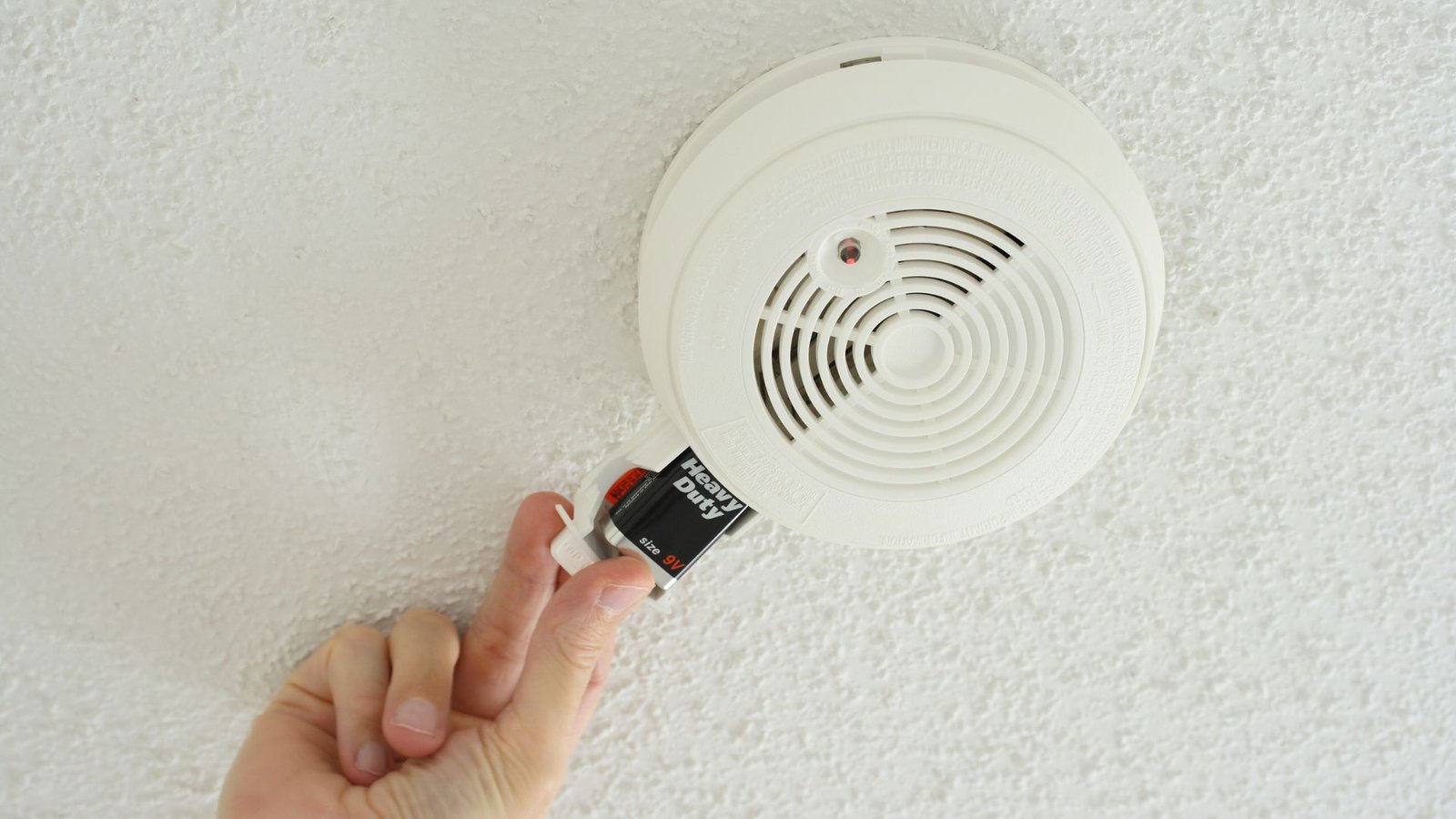
Ever heard that insistent, sometimes annoying, little beep or chirp coming from your smoke alarm? It’s one of those common household sounds that can trigger a moment of panic, a shrug, or perhaps just a mild irritation. But understanding what your smoke alarm is trying to tell you isn't just about silencing an annoying noise; it's about gaining peace of mind, ensuring your family's safety, and becoming a little more empowered in your own home. It’s surprisingly satisfying to demystify this essential household guardian, turning a potential nuisance into a clear message you can act on!
This topic is incredibly useful for just about everyone. For beginners, like those setting up their first apartment or new homeowners, learning the language of their smoke alarms means avoiding unnecessary panic or costly service calls. It’s a fundamental step in home safety 101. For busy families, knowing the difference between a low battery chirp and an actual fire alarm can prevent sleepless nights, teach kids about home safety, and ensure everyone knows how to react properly in an emergency. Even for hobbyists or DIY enthusiasts, understanding these signals allows for proactive maintenance and better integration of smart home systems, empowering them to keep their dwellings secure and smoothly running.
So, what are these beeps actually saying? The most frequent culprit is a single, intermittent chirp every 30 to 60 seconds. This is almost always your alarm’s way of saying, "Hey! My battery is low, and I need a fresh one to keep doing my job!" It's a gentle reminder, not an emergency. Much more serious is a loud, continuous, three-beep pattern, often repeated. This signals the presence of actual smoke or fire, demanding immediate attention and evacuation. Sometimes, alarms might beep erratically or continuously for other reasons: excessive dust, high humidity (hello, steamy showers!), or even certain cooking fumes. Some advanced alarms might even communicate via an app on your phone, offering precise details about what triggered the alert, which can be super helpful!
Must Read
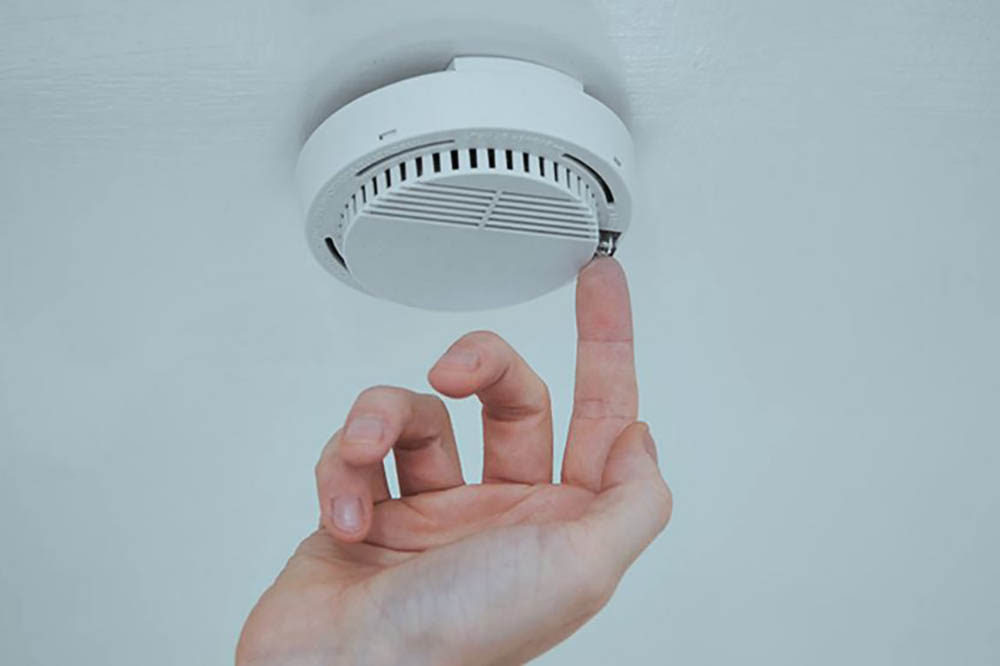
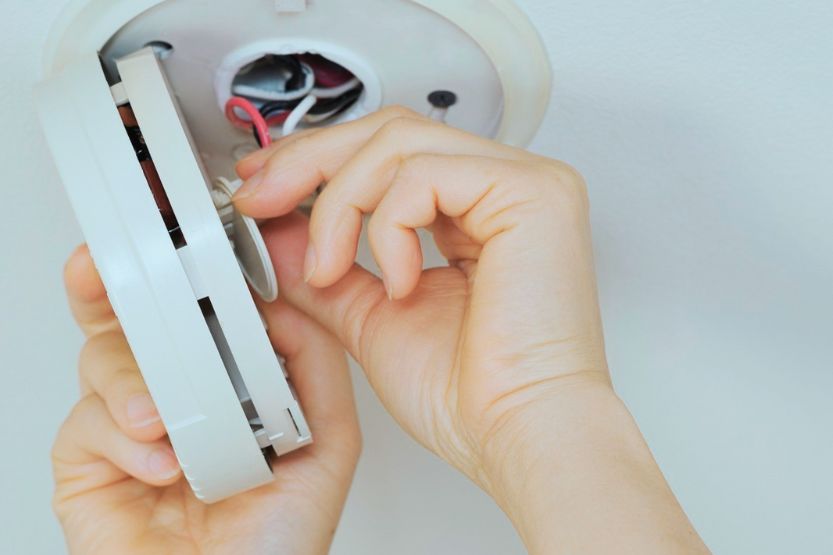
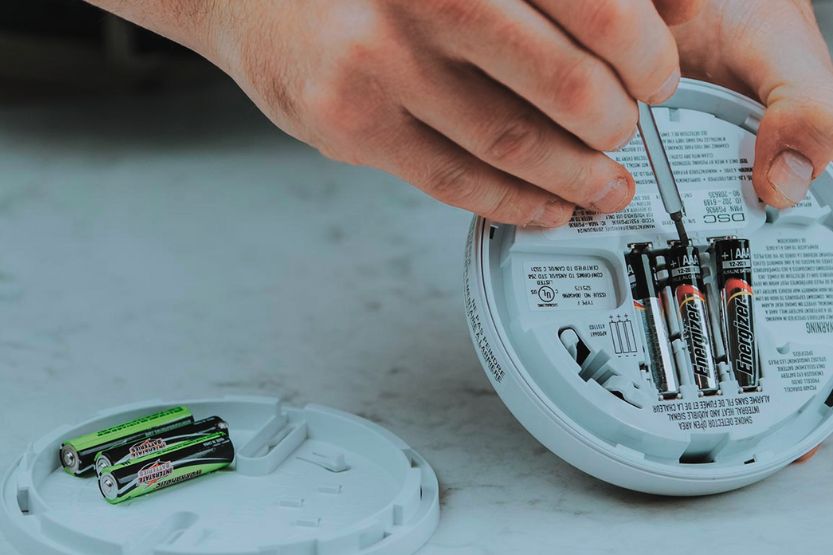
Ready to become a smoke alarm whisperer? Here are some simple, practical tips to get started: Firstly, press the test button on each alarm monthly. This ensures the unit is powered and the alarm sounder is working. Secondly, change the batteries in all your alarms at least once a year, even if they haven't started chirping – a good rule of thumb is to do it when you change your clocks for daylight saving. Thirdly, keep your alarms clean! A quick vacuum or dusting around the unit can prevent false alarms caused by accumulated dust. Fourthly, remember that smoke alarms have an expiration date; most need to be replaced entirely every 10 years. Check the back of your alarm for a manufacturing date. Lastly, know your escape route and practice it with your family.
Understanding your smoke alarm's language isn't just a chore; it’s a quick, easy way to invest in your safety and comfort. It’s about being prepared, preventing minor annoyances from escalating, and knowing that your home is genuinely protected. Embrace the empowerment that comes with decoding those beeps, and enjoy the true peace of mind that follows!