
What Does Hay Mean In Spanish
Okay, picture this: you're strolling through a sun-drenched marketplace in Mexico, the air thick with the aroma of sizzling tacos and blooming bougainvillea. You point to a stack of… well, what looks like hay. You confidently ask, "¿Qué es esto?" What is this?
And the vendor, with a twinkle in their eye, replies, "Hay!"
Cue the record scratch. You're thinking, "Hay? I KNOW hay! It's for horses, right? Am I accidentally in a petting zoo?"
Must Read
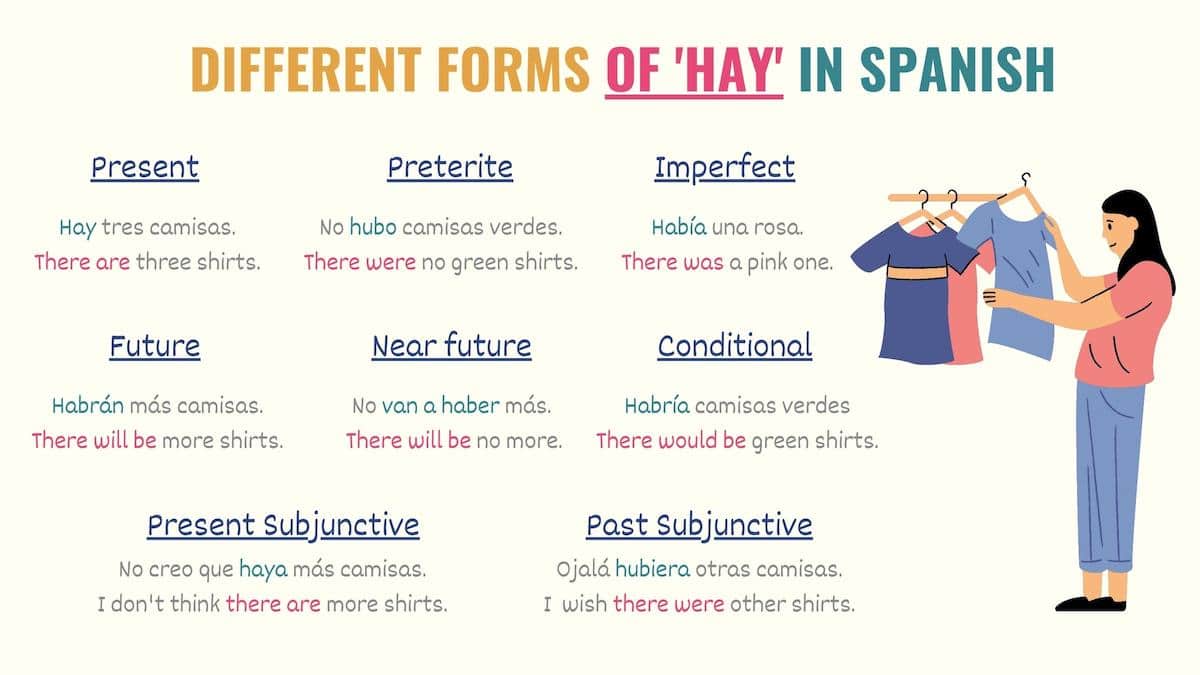
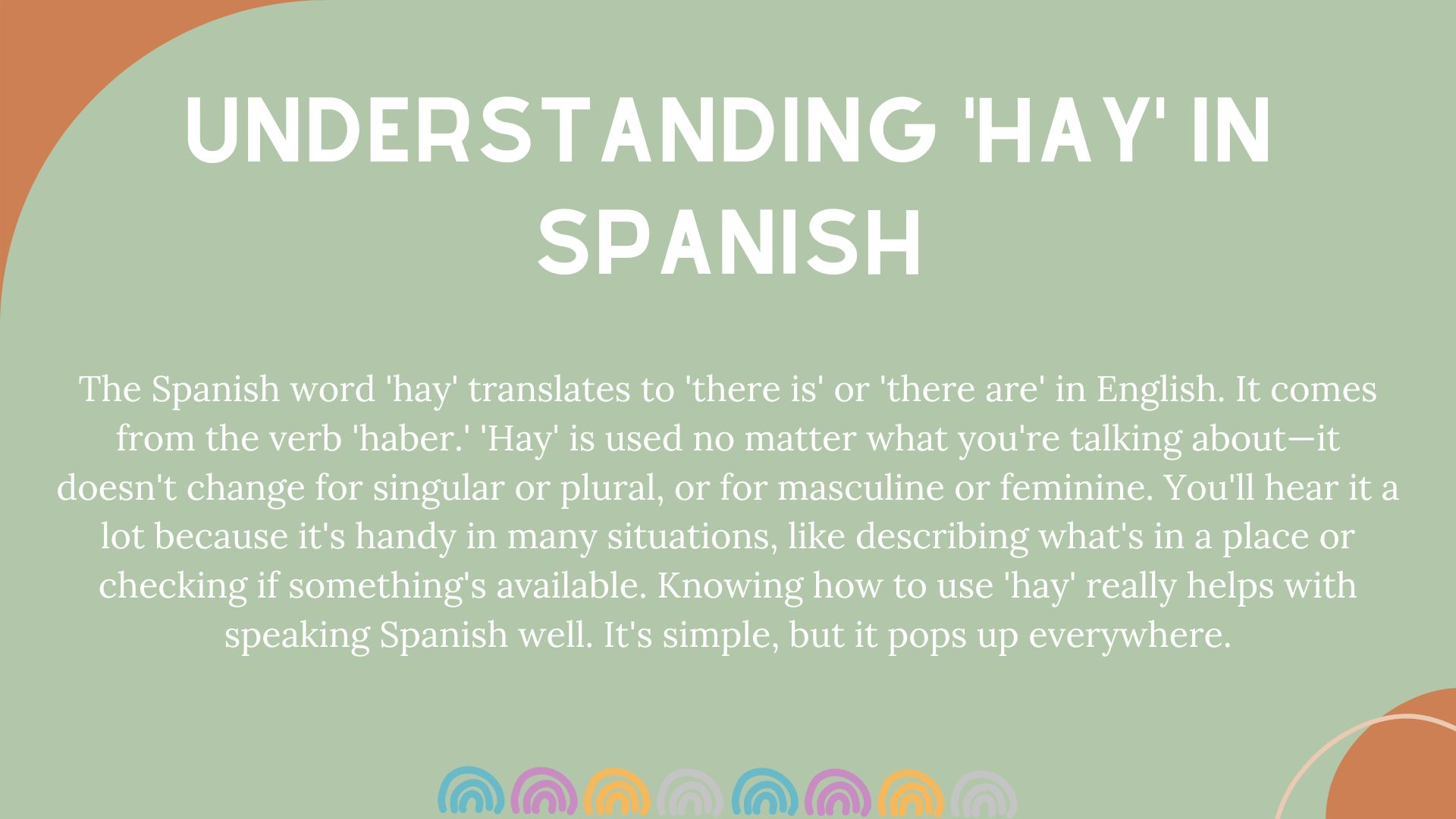
But here's the thing: in Spanish, "hay" isn't about agriculture. It's a tiny, two-letter word that packs a HUGE punch. It's the Spanish equivalent of "there is" or "there are."
The Magical "Hay"
Forget fields of dried grass for a second. Think of "hay" as a magician, waving its wand and conjuring things into existence. Hay un gato en mi sombrero. (There is a cat in my hat!) See? Magic!
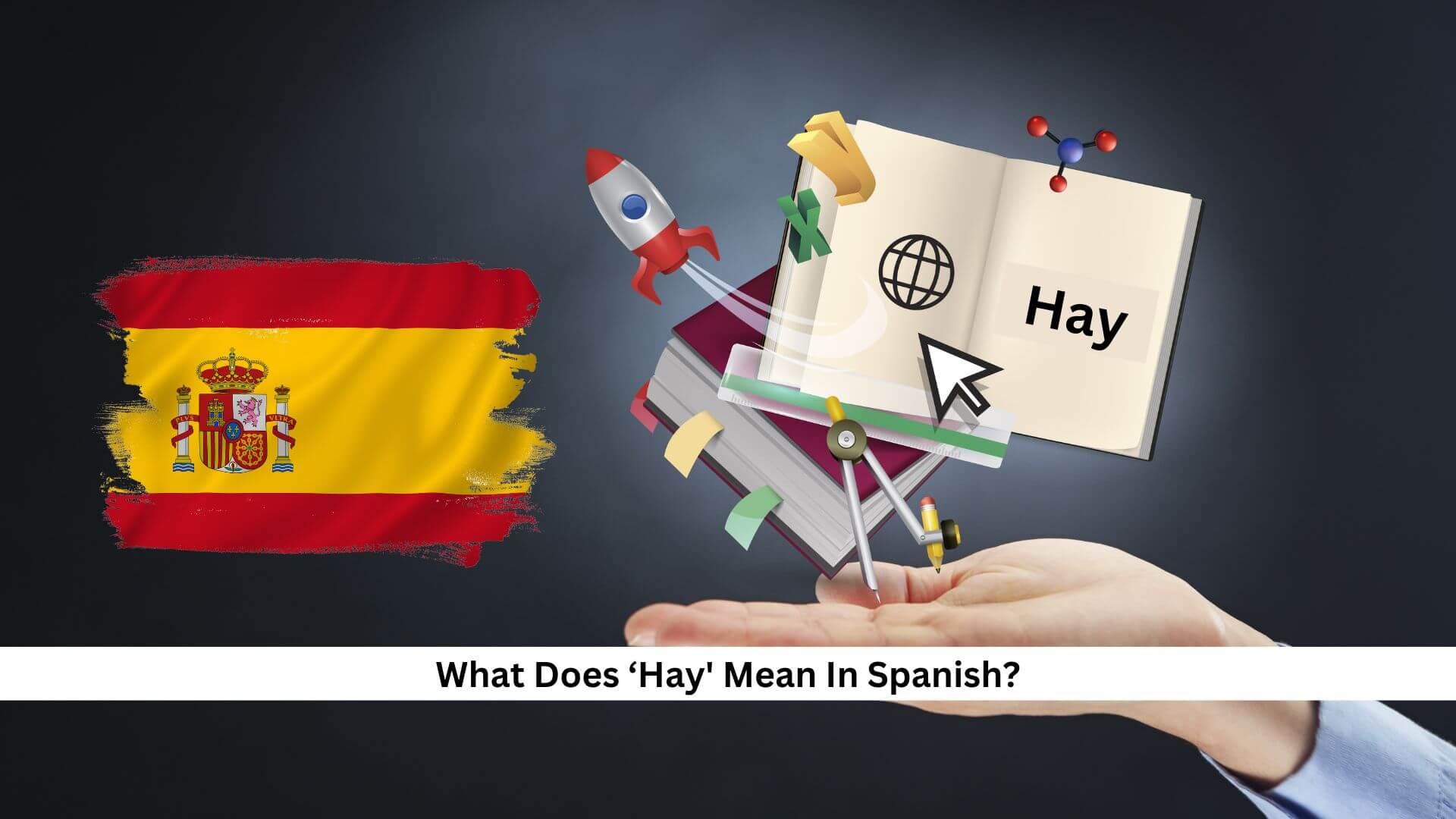
It's used all the time in everyday conversation. Want to know if there's milk in the fridge? ¿Hay leche en el refrigerador? Want to announce the arrival of pizza? ¡Hay pizza! (Hallelujah!)
Now, to make things even more fun, let's introduce its mischievous cousin: "ahí." This little word means "there," as in a place. So, you might hear someone say, "El gato está ahí." (The cat is there.) Easy peasy, right?
Don't Confuse Hay with Ay! Ay, Ay, Ay!
And then there's the dramatic one: "ay." This is an exclamation, like "ouch!" or "alas!" Think mariachi music and telenovelas. Ay, mi amor! Oh, my love!
So, to recap: Hay (there is/are), ahí (there - location), and ay (ouch!). Three tiny words, three completely different meanings. Spanish, you tricky minx!
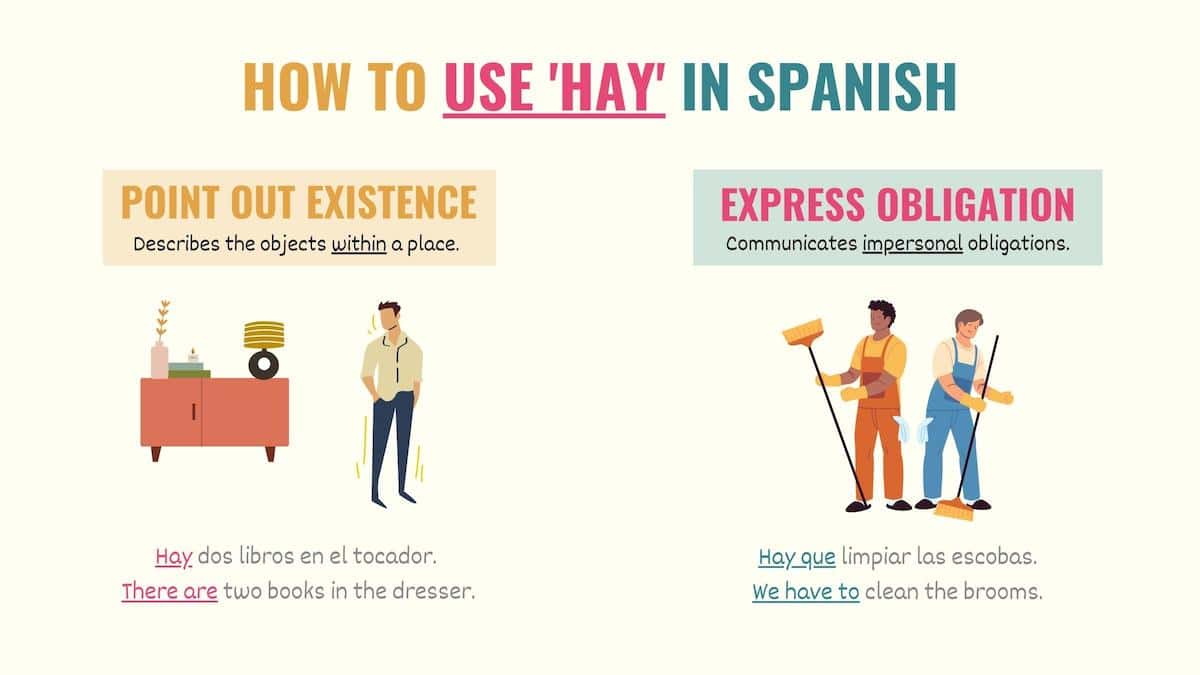
Imagine the potential for comedic misunderstandings! You’re looking for the bathroom and ask, "¿Hay un baño aquí?" (Is there a bathroom here?) Hopefully, someone points you in the right direction, rather than offering you a bale of dried alfalfa.
Why This Matters (Besides Avoiding Hay-Related Embarrassment)
Understanding "hay" is a cornerstone of grasping basic Spanish. It unlocks a whole world of communication. You can ask simple questions, describe what you see, and generally navigate the world with a little more confidence.

Plus, it's just plain fun! The next time you hear someone say "hay," you'll be in on the secret. You'll know they're not necessarily talking about farm animals. They might be telling you about something exciting that exists, or asking if there's more guacamole (and let's be honest, that's always a critical question).
And if you do find yourself in a situation where someone offers you actual hay, well, maybe you've stumbled into a very authentic, rural experience. Embrace it! Just be sure to clarify, "¿Es para los caballos?" (Is it for the horses?) before you start chewing.
The Moral of the Story
The Spanish language, like any language, is full of quirky little details that can trip you up. But it's also full of opportunities for joy and discovery. So, go forth, embrace the "hay," the "ahí," and even the occasional "ay." And remember, a little bit of humor and a willingness to make mistakes can go a long way in your language learning journey.
And who knows? Maybe one day, you'll even be able to tell a hilarious story about the time you accidentally asked for a bale of hay in a taco shop. ¡Qué divertido! (How fun!)
So, the next time you find yourself wondering about a simple word, remember that sometimes, the most common words hold the biggest surprises. And sometimes, "hay" just means "there is." Unless, of course, it's actually hay.
¡Buena suerte! (Good luck!)