What Does Expired Sea Moss Gel Look Like
Ever rummaged through your fridge and found something lurking in the back that you vaguely remember buying? Maybe it's a jar of sea moss gel. Sea moss, often touted as a superfood, has gained immense popularity, making its way into smoothies, skincare routines, and even culinary creations. But what happens when it sits a little too long? Understanding what expired sea moss gel looks like isn't just about avoiding a weird taste; it's about ensuring you're actually benefiting from this nutrient-rich resource.
So, what exactly is sea moss gel, and why is everyone so excited about it? Simply put, it's a gel made from sea moss, a type of red algae harvested from the ocean. It's packed with minerals and vitamins like iodine, potassium, calcium, and magnesium. Proponents suggest a wide array of benefits, including boosted immunity, improved digestion, enhanced thyroid function, and even healthier skin and hair. Think of it as a natural multivitamin in a jiggly, sea-flavored package. The benefits of sea moss are wide-ranging, making it a popular addition to health-conscious diets.
The versatility of sea moss gel is quite impressive. In education, biology classes might use it as a model to demonstrate the structure of algae and its nutritional components. Nutrition students could analyze its mineral content and compare it to other food sources. But its everyday applications are where it truly shines. Many people add a spoonful to their smoothies for a nutrient boost. Others use it as a natural thickener in soups and sauces. Some even incorporate it into DIY skincare recipes as a hydrating ingredient. From the classroom to the kitchen, sea moss gel finds its place.
Must Read
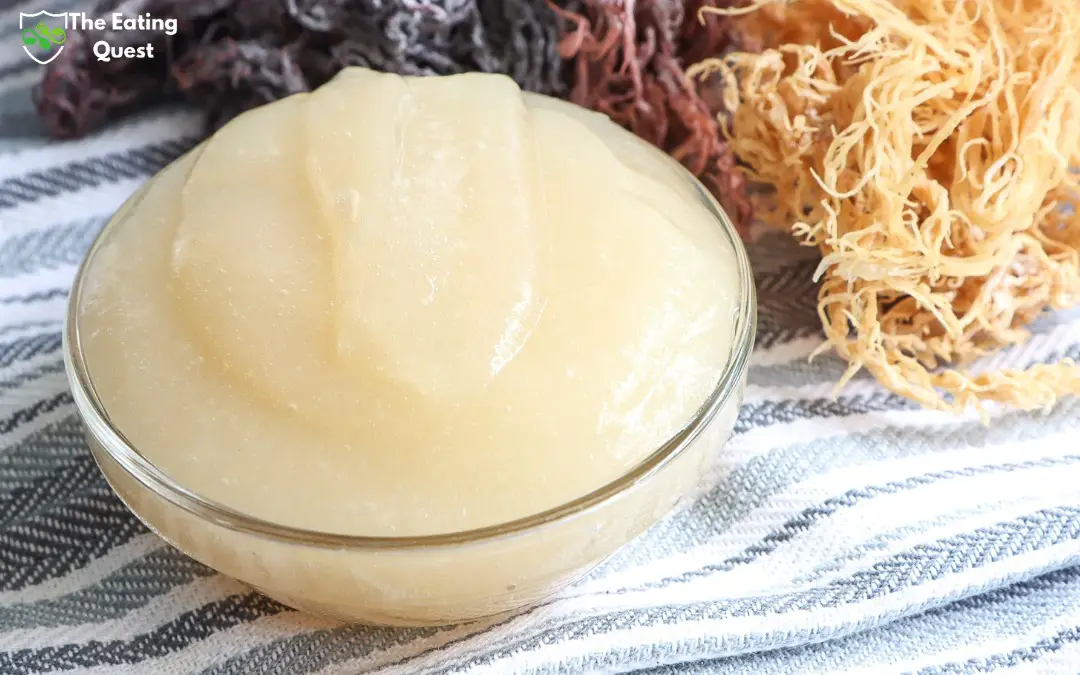
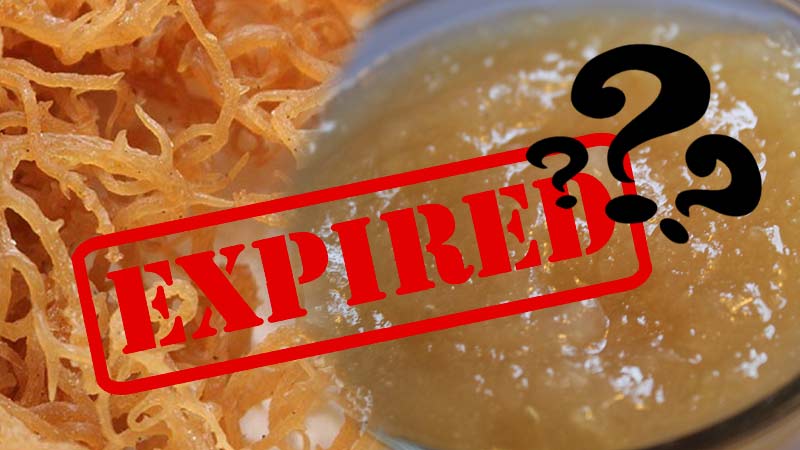
Now, back to the original question: what does expired sea moss gel actually look like? Fresh sea moss gel typically has a smooth, almost translucent appearance, with a slight ocean-like smell. As it ages, the first sign is often a change in texture. It might become noticeably thinner or, conversely, develop a slimy or stringy consistency. The color can also change, often darkening or developing unusual patches. A strong, unpleasant odor is a major red flag. Pay close attention to any signs of mold – fuzzy spots of green, white, or black are a clear indication that the gel has spoiled and should be discarded. Expired sea moss gel won't necessarily make you violently ill, but it certainly won't provide the intended health benefits and could potentially upset your stomach.
Here are some practical tips to keep your sea moss gel fresh: always store it in an airtight container in the refrigerator. Label the container with the date you made or purchased it. Most homemade sea moss gel will last for about 2-3 weeks in the fridge. When in doubt, trust your senses – if it looks, smells, or tastes off, err on the side of caution and discard it. Exploring sea moss is easy; start by researching reputable sources for buying or making your own gel. Experiment with small amounts in your smoothies or soups. And always, always check for signs of spoilage before consuming it. It's a fun and potentially beneficial addition to your wellness routine, as long as you're mindful of its shelf life!