What Does A Doorbell Transformer Look Like
Ah, the doorbell! It’s one of those everyday marvels we interact with constantly, yet rarely stop to think about. A simple press, a cheerful chime, and a world of possibilities opens up – from a long-awaited delivery to a surprise visit from a friend. But have you ever paused to wonder what makes that reassuring sound possible? What unseen force powers this tiny herald of interaction? Today, we're diving into the mystery of its silent partner: the doorbell transformer.
Don't worry, this isn't a deep dive into electrical engineering! We’re just going to demystify what this little workhorse looks like and where it usually hangs out, all while keeping things light and lively. Think of it as a friendly chat about the unsung hero of your entryway.
The Humble Hero's Appearance
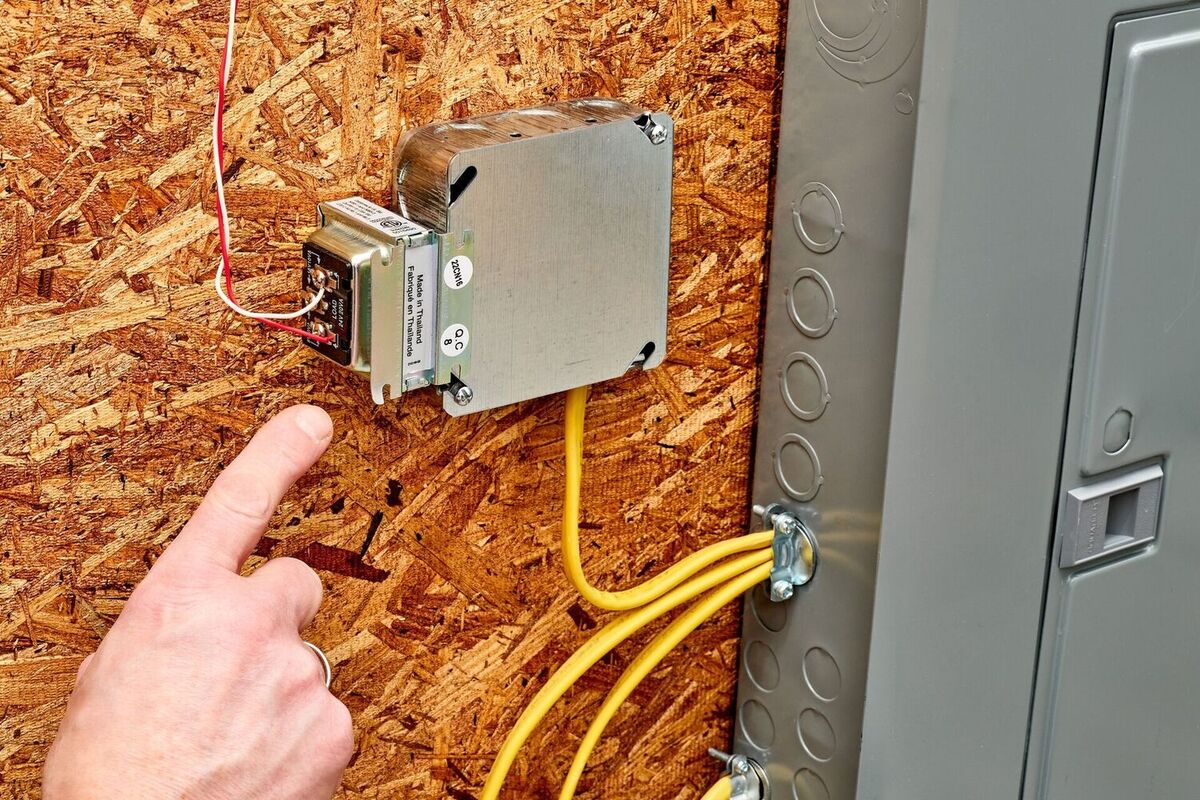
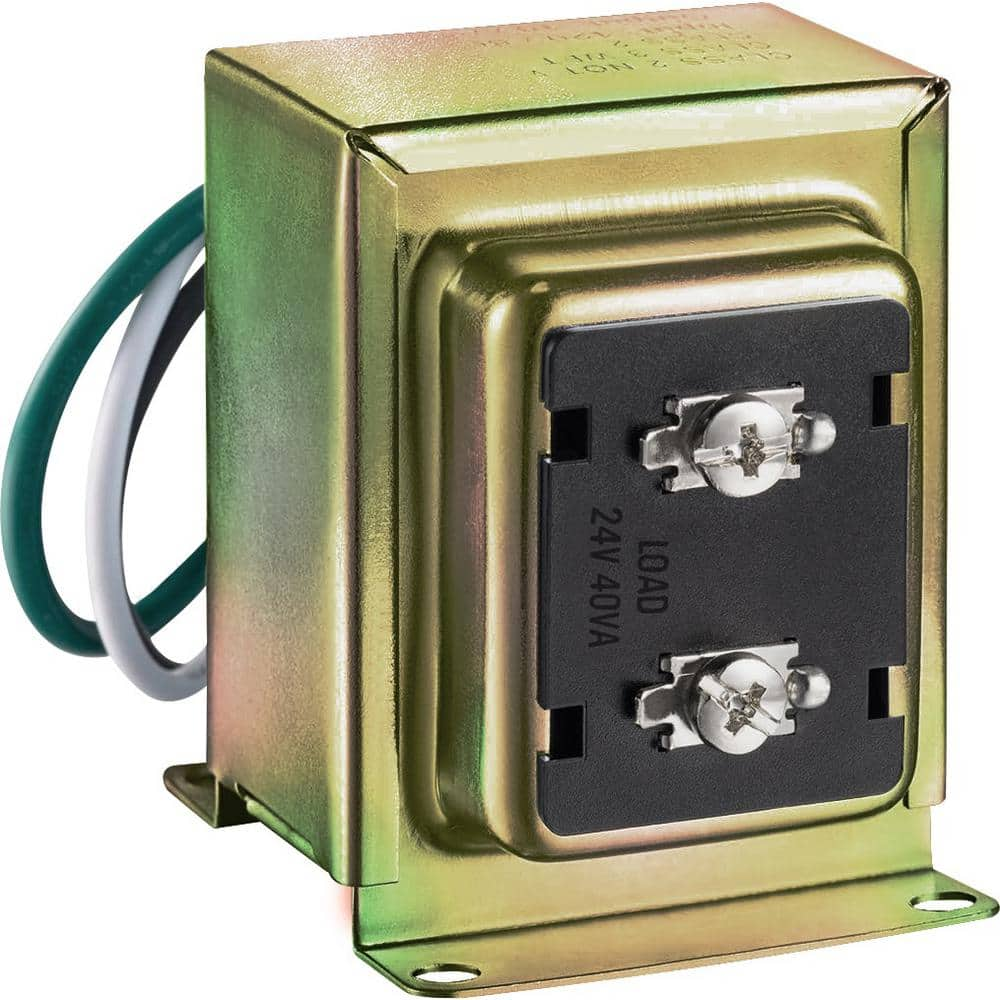
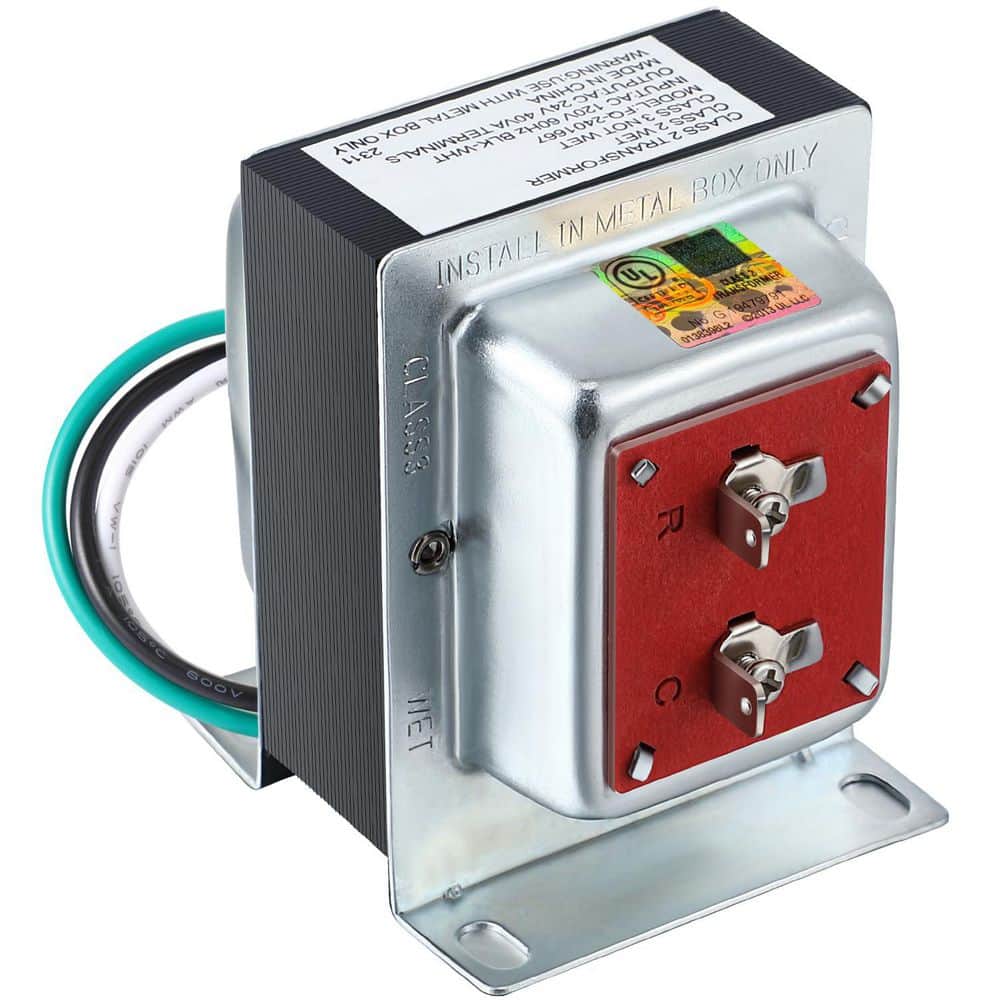
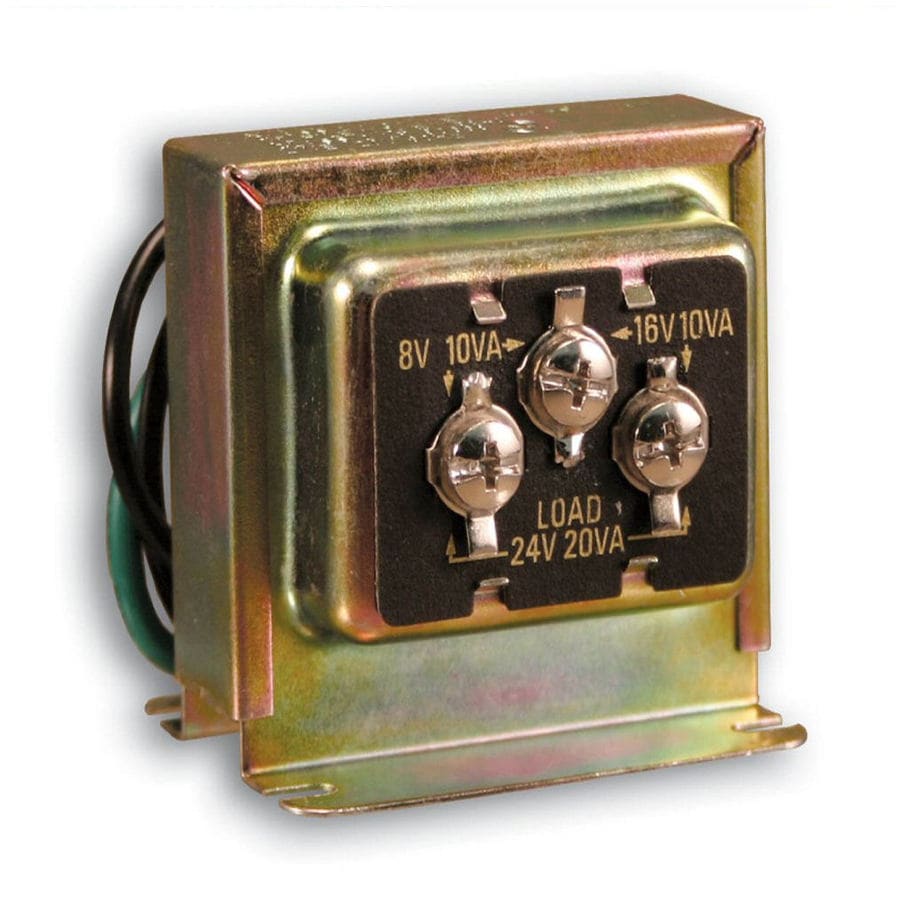
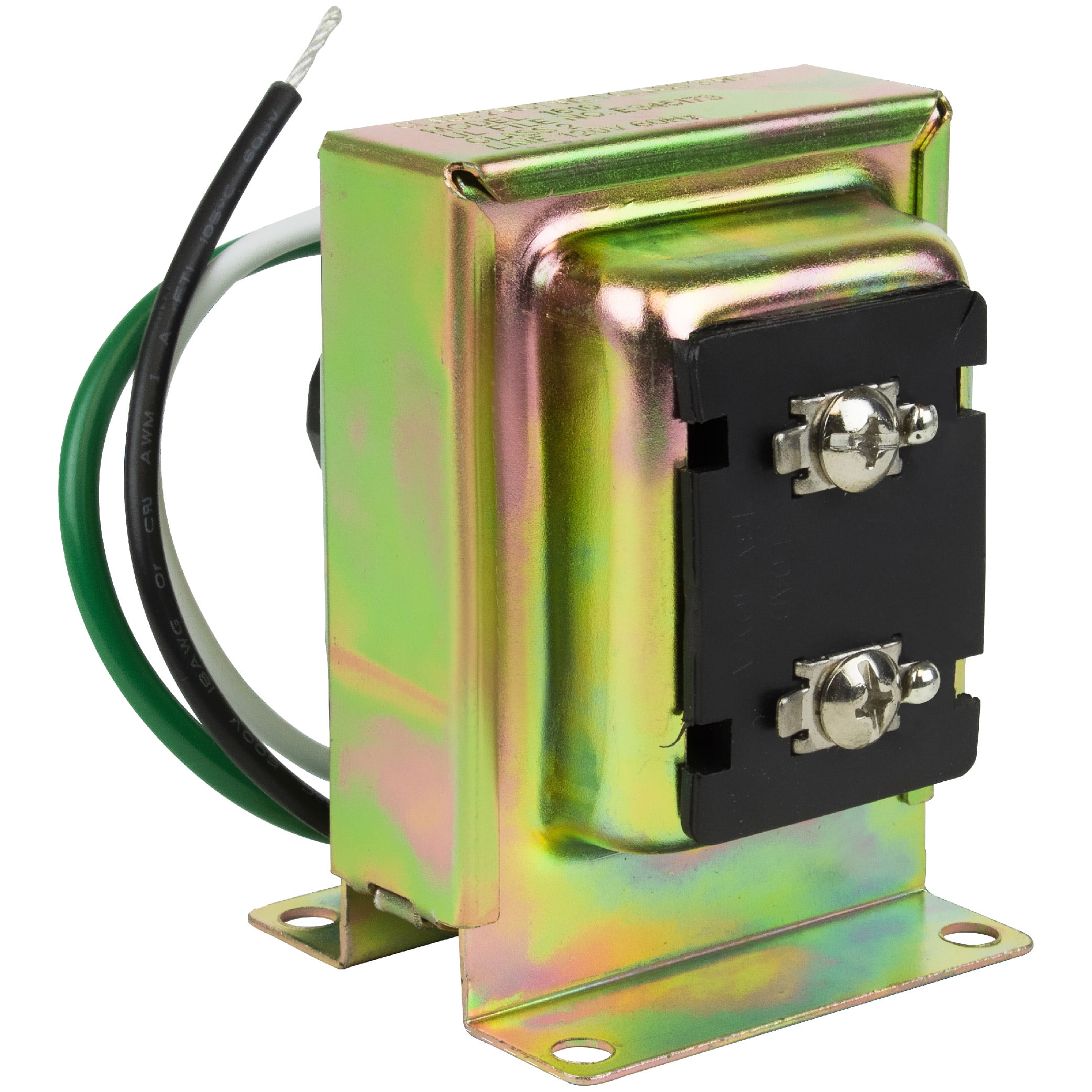
So, what exactly are we looking for? Imagine a small, unassuming metal box, often no bigger than a pack of cards, or perhaps a small brick of chocolate. That's right, it's not some futuristic gadget with flashing lights. Most commonly, it’s a gray, silver, or metallic-colored cube or rectangular box, often made of durable metal.
Must Read
It typically has a couple of screws or wires poking out of one side, designed to connect to your home's electrical system and, of course, to the doorbell itself. You might notice some tiny print on it – perhaps "16V" or "24V" – which indicates its voltage output, but more on that later. The key takeaway here is: small, sturdy, and utterly understated. It’s the kind of thing that blends into its surroundings, doing its vital job without seeking attention.
Where Does This Little Gizmo Hide?
Finding your doorbell transformer can sometimes feel like a mini treasure hunt! Because it needs to tap into your home's main power, it's usually located somewhere close to your electrical panel or where utility lines enter your house.
- Near the main electrical panel: This is a prime suspect. Check the wall directly next to or above your circuit breaker box. It might be mounted right on the panel itself.
- In the basement or utility room: Many homes tuck their electrical components away in these functional spaces. Look up near the ceiling joists or on an exposed beam.
- In the attic: Less common, but sometimes found here, especially if the doorbell was installed after the house was built.
- Garage or a closet: Any utility-focused area connected to your home's main electrical arteries is fair game. Sometimes it's inside a junction box.
The trick is to listen! If your doorbell isn't working, try to listen for a faint hum (if it's still receiving power but not transmitting it properly) near where you suspect it might be. Once you spot it, you'll likely wonder how you never noticed it before. It’s like finding Waldo, but for home utilities!
Why It's So Important (Without Being Flashy)
So, why do we need this little transformer anyway? Here’s the simple explanation: your home's electricity (the stuff that powers your lights and appliances) is usually 120 volts. That's far too much for a tiny doorbell! If you connected a doorbell directly to that, you'd likely end up with a very short-lived (and potentially dramatic) ding-dong.
The doorbell transformer's job is to safely step down that high voltage to a much lower, doorbell-friendly voltage, typically 16 or 24 volts. It literally transforms the power so your doorbell can chime happily without getting overloaded. It’s the protector of your press, the guardian of your "ding-dong."
A Nod to the Not-So-Distant Past (and Future!)
From the old-fashioned door knocker to the elaborate brass bells of yesteryear, and now to our modern wired and wireless chimes, doorbells have a rich history. The transformer has been a silent partner in this evolution for decades, ensuring a reliable ring.
Even with the advent of smart doorbells – those fancy devices that let you see and talk to visitors from your phone – the humble transformer often plays a crucial role. Many smart doorbells still require a wired connection to draw continuous power, meaning your unassuming metal box is still keeping the magic alive, connecting your digital world to your front porch. It’s surprisingly modern for something so classic!
Quick Tips for the Curious Homeowner
If you ever need to interact with your doorbell transformer (say, for troubleshooting or upgrading your doorbell), remember one golden rule: safety first! Always, always, always turn off the power to your doorbell circuit at the main electrical panel before touching any wires. If you’re unsure, it’s always best to call a qualified electrician.
Most doorbell transformers are incredibly durable and can last for decades. They're designed to be maintenance-free, so once you've found it, you can usually forget about it until a problem arises.
So there you have it! The doorbell transformer – a small, quiet, metallic box, diligently working behind the scenes to power those familiar sounds that connect us to the world outside our doors. It’s a subtle reminder that often, the most important parts of our lives are the ones we rarely see, silently enabling all the little moments that make up our day. Next time your doorbell rings, take a moment to appreciate the unsung hero making it all possible.