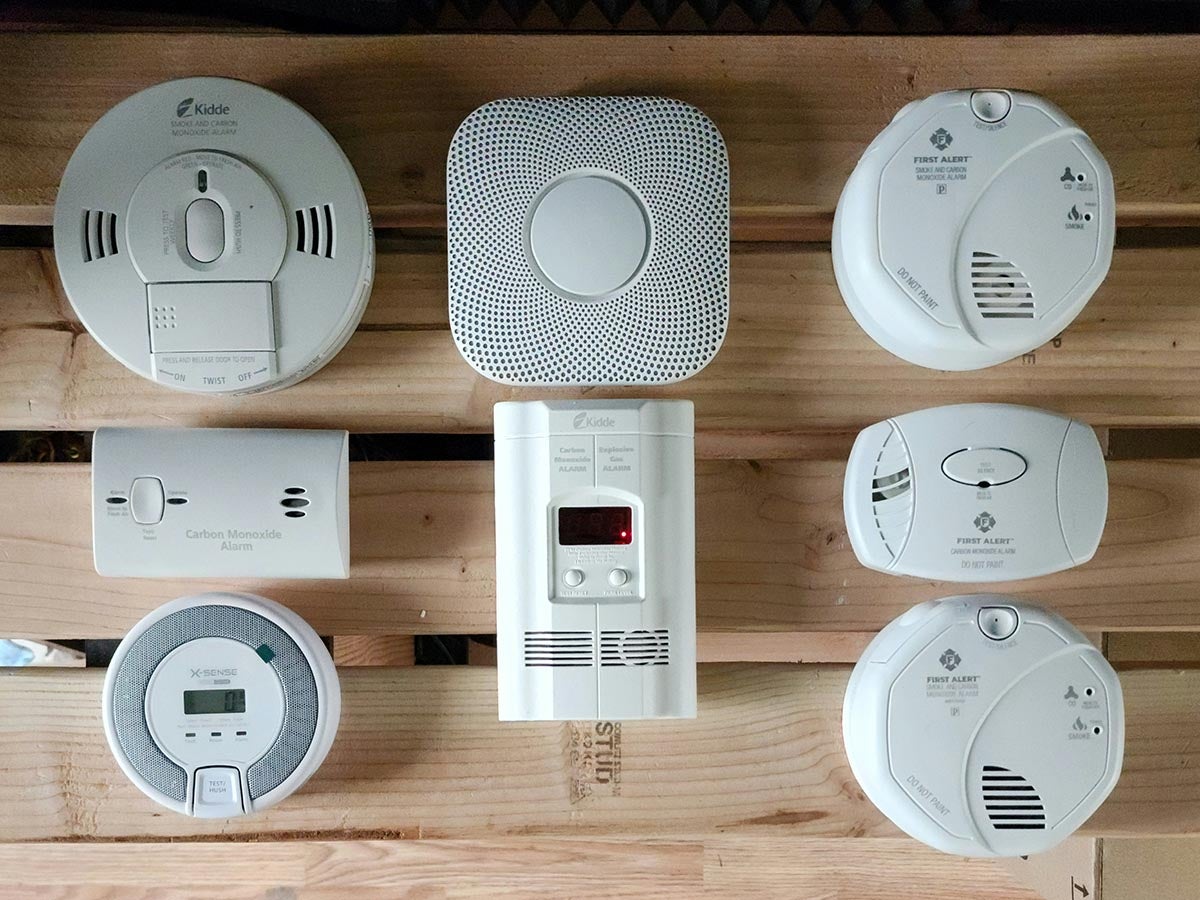
What Does A Carbon Monoxide Alarm Look Like
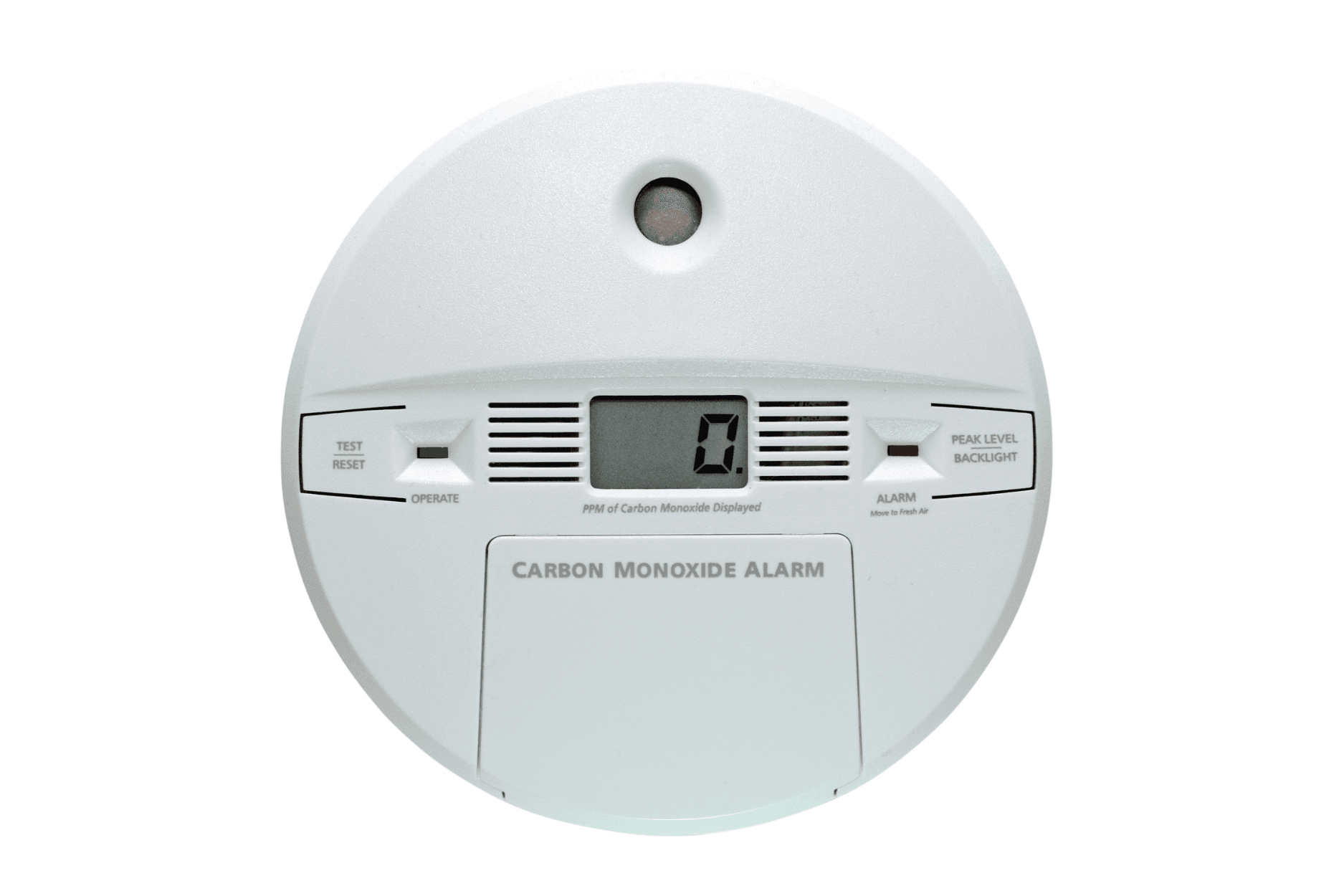
In our bustling lives, surrounded by smart gadgets and dazzling tech, it’s easy to overlook some of the truly essential silent heroes in our homes. Today, we’re shining a spotlight on one such unassuming guardian: the carbon monoxide alarm. Far from being a mere utility, understanding what this vital device looks like and what it does is a creative act in itself – the art of safeguarding your loved ones and your peace of mind. It’s an increasingly popular form of home decor, not for its aesthetic, but for its profound value and the quiet confidence it brings to every household.
So, what does this life-saving device actually look like? Most commonly, you'll find them as small, discreet units, often no bigger than a smoke alarm or even a pack of cards. They are typically colored off-white, beige, or sometimes gray, designed to blend into your walls or ceilings without drawing undue attention. You might spot a few buttons for testing or resetting, and often a small digital display showing CO levels or system status. For the casual learner or even the curious artist, recognizing these forms is the first step in appreciating their silent watch. It's about developing an eye for safety, knowing that a familiar shape can represent profound protection.
The benefits of knowing what a CO alarm looks like extend far beyond mere recognition. For every homeowner, renter, or even temporary guest, this knowledge offers an immediate sense of empowerment. It’s about being proactive in home safety, ensuring these crucial devices are present, functional, and correctly placed. Think of it as mastering a fundamental stroke in the broader canvas of domestic well-being. It’s not about painting a picture of one, but understanding its role in the bigger picture of a secure home environment.
Must Read
Let's explore the variations! You’ll encounter several styles: the standalone battery-powered unit that can be mounted anywhere, offering flexibility; the plug-in model that simply slots into an electrical outlet, often with a battery backup; and the combination unit that detects both smoke and carbon monoxide, saving space and providing dual protection. Some are sleek and minimalist, others feature larger buttons or readouts. They come in various sizes too, from compact travel alarms to larger units integrated with smart home systems. Each variation serves the same critical purpose, a testament to thoughtful engineering aimed at diverse living situations.
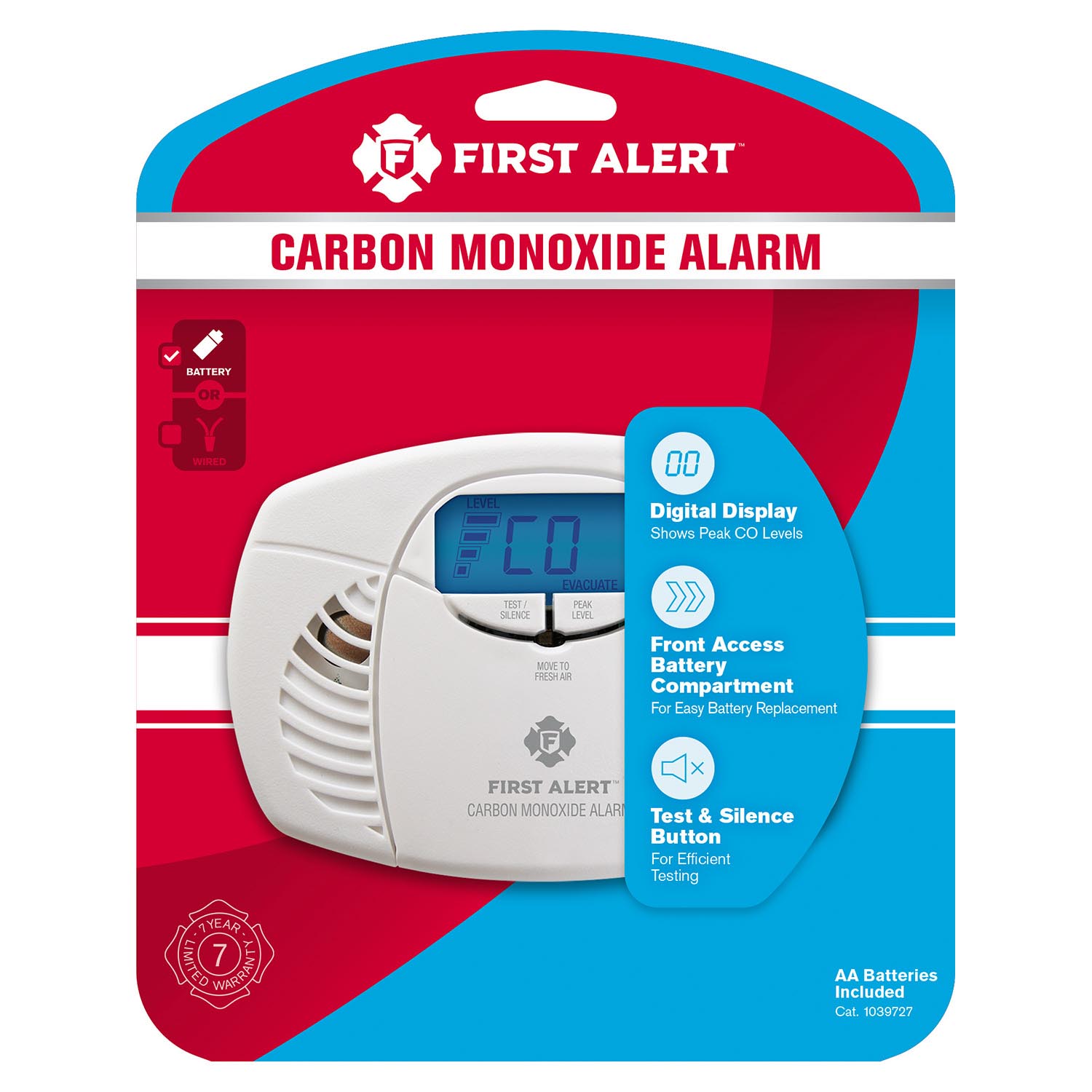
Ready to try it at home? It's wonderfully simple! First, take a walk through your living space and identify where your current CO alarms are located. Are they near sleeping areas? On every floor? Next, familiarize yourself with their appearance. Press the test button on each one – you should hear a loud alarm. If not, it might be time for new batteries or a new unit. Check the manufacturing date; CO alarms typically need replacing every 5-7 years. It’s a quick, easy, and incredibly rewarding activity that directly contributes to your home's safety portfolio. This isn't about artistic creation, but about active participation in your safety narrative.
And why is all this enjoyable? Because there's a deep, quiet satisfaction in knowing you've taken tangible steps to protect those you love. It’s the peace of mind that comes from understanding your environment and actively contributing to its safety. Recognizing what a carbon monoxide alarm looks like isn't just about identifying a device; it’s about seeing the care, the forethought, and the invaluable safeguard it represents. It’s a small detail that makes a world of difference, allowing you to breathe easy and truly enjoy the comforts of home.