
What Causes A Carbon Monoxide Alarm To Go Off

You know that sound, right? That sudden, insistent BEEP! BEEP! BEEP! that rips through the quiet of your home, usually when you’re elbow-deep in a Netflix binge or just drifting off to dreamland. It’s your smoke alarm, and we mostly get why that goes off – burnt toast, a forgotten pot, or a candle getting a little too wild. But what about its quieter, often less understood cousin, the carbon monoxide (CO) alarm? What makes that little electronic guardian suddenly decide it’s time to throw a sonic tantrum?
Let’s unravel the mystery of the CO alarm, because understanding its language is like having a secret superpower against an invisible threat. And trust me, this little gadget is worth listening to!
Meet the Invisible Party Crasher: Carbon Monoxide
Imagine a gas that’s like a mischievous ninja: completely undetectable by your senses. No smell, no taste, no color, no sound. That, my friends, is carbon monoxide. It’s a byproduct of incomplete combustion, which is just a fancy way of saying when fuels like natural gas, propane, wood, or gasoline don't burn completely.
Must Read
Your CO alarm is your personal CO detector, a tiny superhero with a super-sensitive nose for this invisible gas. When it beeps, it's basically shouting, "Hey! There's an uninvited, dangerous guest in the house!"
The Usual Suspects: What Creates CO in Your Home?
Most of the things that make your home comfy and cozy can, under the wrong circumstances, be a source of CO. It’s not that they’re bad, they just need to be handled with care and respect. Think of it like a beloved, powerful appliance that needs regular check-ups!
Here are the common culprits:

-
Your Furnace or Boiler: The Warm Hugger
This is the heart of your home’s heating system. If it’s old, unserviced, or has a cracked heat exchanger, it can leak CO. It’s like an old car engine that needs a tune-up; if it's sputtering, it's not working efficiently, and that could mean CO is being released. -
Gas Water Heater: Your Shower Buddy
Providing you with lovely hot showers and dishwashing water, your gas water heater also burns fuel. If its ventilation is blocked or it’s not burning properly, CO can accumulate. Picture it like a tea kettle trying to whistle with a blocked spout – the pressure (and CO!) has to go somewhere! -
Gas Stove or Oven: The Dinner Maker
Cooking up a storm? Your gas range is usually perfectly safe. But if burners are left on too long without proper ventilation, or if the oven isn't venting correctly (especially older models), CO levels can rise. This is why a good range hood isn’t just for sucking up onion fumes! -
Fireplaces & Wood Stoves: The Cozy Corner
Nothing beats a crackling fire, right? But if your chimney is blocked by a squirrel's nest (they love a cozy spot!) or soot buildup, the smoke, along with CO, can get pushed back into your living room instead of rising safely outdoors. It’s like your house has a stuffy nose!
Common Causes of Carbon Monoxide Poisoning | Wayne Alarm -
Portable Generators & BBQ Grills: The Outdoor Enthusiasts
These are superstars for power outages or backyard parties. But they are absolutely not meant for indoor use. Running a generator in your garage, even with the door open, or bringing a charcoal grill inside "just for a minute" is a huge no-no. They pump out CO like crazy, and it builds up incredibly fast in enclosed spaces. Seriously, this is a big one. -
Cars: The Road Tripper (but never indoors!)
Leaving a car running in an attached garage, even for a short time, can allow CO to seep into your home. Think of your garage as a giant CO dispenser if you're idling your car in there. Don’t do it!
Why Does My Alarm Scream Now? (The "Oops" Moments)
So, the appliances are usually fine. What makes them suddenly misbehave?
-
Poor Ventilation: The Stuffy Room Effect
Your gas appliances need fresh air to burn fuel cleanly and safely exhaust byproducts. If vents are blocked, air intake is restricted, or exhaust pipes are leaky, CO can back up. It’s like trying to breathe in a really crowded, stuffy room – eventually, things get uncomfortable (and dangerous!). -
Malfunctioning Appliances: The Old Faithful Breaking Down
Things get old, parts wear out. An aging furnace might develop a crack, or a water heater might lose its efficiency. Regular maintenance by a qualified professional is like giving your appliances a spa day and a physical to keep them in tip-top shape. -
Installation Errors: The DIY Mishap
Sometimes, an appliance wasn't installed correctly to begin with. Vent pipes might be too small, too long, or improperly sloped, hindering proper exhaust. This is why some jobs are best left to the pros!
Why Should You Care? (Beyond the Annoying Beep)
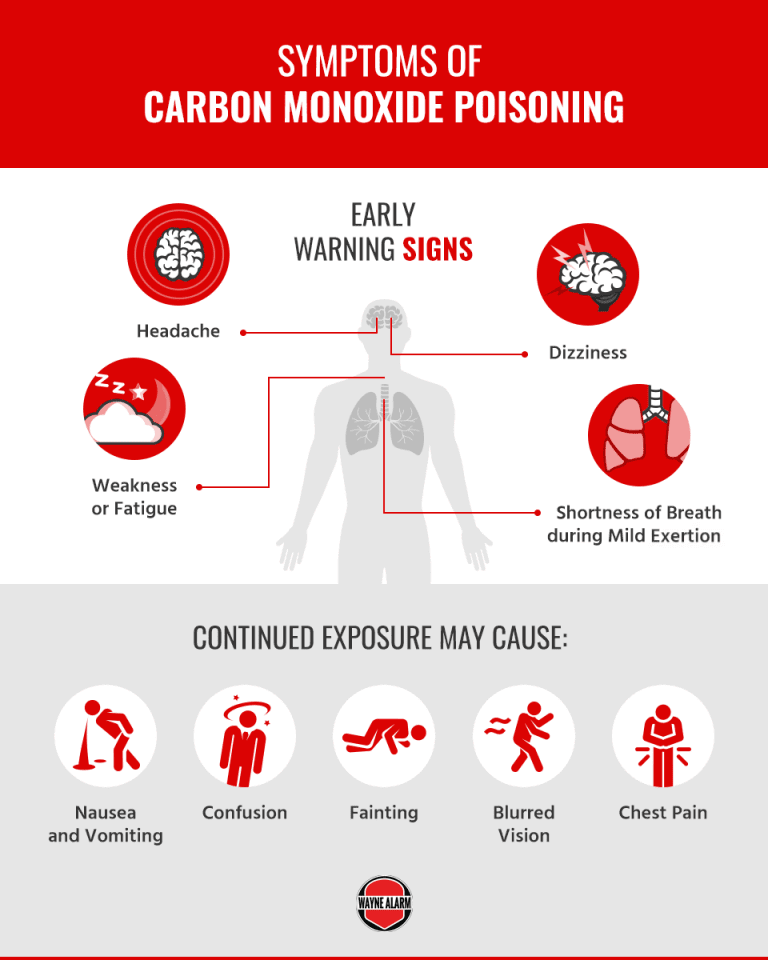
Okay, so your alarm is a bit dramatic. But its drama is literally life-saving. Carbon monoxide poisoning symptoms often mimic the flu – headache, nausea, dizziness, fatigue. You might think, "Ugh, just a bug," and go back to bed, which is the worst thing you can do because CO levels continue to rise, and you get sicker. In severe cases, it can cause brain damage, heart problems, or even be fatal.

Your CO alarm isn't trying to ruin your day or interrupt your favorite show. It's giving you a crucial heads-up, a chance to escape a truly dangerous situation before you even feel sick. It’s like that friend who gently nudges you away from an approaching bus you didn't see coming.
So, What To Do When It Goes Off?
First, don't ignore it! It’s not just "acting up."
Second, get fresh air immediately. Open windows and doors, and ideally, get everyone outside. Call 911 or your local gas company/fire department from a safe spot. They have the right equipment to detect CO levels and figure out the source.
Think of your CO alarm as your personal, highly effective, albeit noisy, guardian angel. It’s a small investment that offers a huge return: peace of mind and protection for you and your loved ones. Keep those batteries fresh, test them regularly, and give them a little appreciative nod. They’re working hard to keep you safe!