What Are The Strengths And Weaknesses Of The Cell Model
Remember back in school, meticulously crafting that cell model out of clay, pipe cleaners, and maybe even some strategically placed sprinkles? For many of us, it's a vivid (and sometimes sticky) memory. But beyond the crafting fun, the cell model serves a crucial purpose. We might not realize it, but this miniature representation unlocks a world of understanding about the fundamental building blocks of life.
Why is understanding cells so important? Well, cells are the basic unit of life. Every living thing, from the tiniest bacteria to the tallest redwood tree, is made up of cells. Understanding how they work helps us understand how our bodies work. This knowledge translates into everyday benefits, such as making informed choices about our health, understanding how medicines work, and even appreciating the complexity and beauty of the natural world. Think about it: understanding how cells communicate with each other can shed light on neurological disorders, or understanding how cancer cells divide uncontrollably can lead to new treatment strategies. The cell model is our gateway to all this!
We see cell models everywhere. In textbooks, documentaries, and even in video games! Pharmaceutical companies use sophisticated cell models to test new drugs. Biologists use them to visualize complex processes. Museums use interactive cell models to educate the public. Even animated movies sometimes use cellular structures as inspiration for character design! The applications are vast and varied, highlighting the model's enduring value as a learning tool.
Must Read
But like any model, the cell model has its strengths and weaknesses. Let's start with the good stuff. One of its greatest strengths is its ability to simplify complex information. A real cell is an incredibly dynamic and intricate environment. The model allows us to focus on the key components and their relationships, making it easier to grasp the overall structure and function. It provides a visual representation, which is particularly helpful for visual learners. It can also foster creativity and engagement, especially when students are actively involved in building and manipulating the model.
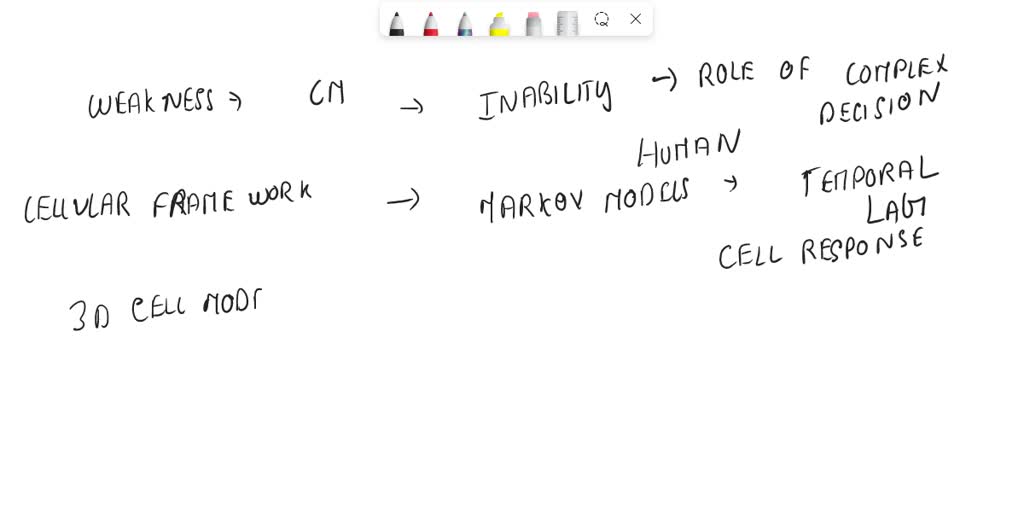
However, the cell model also has its limitations. The biggest weakness is that it's a static representation of a dynamic system. Cells are constantly changing and interacting, but the model shows them in a fixed state. It can also be an oversimplification. Real cells contain many more organelles and structures than can be reasonably represented in a typical model. Furthermore, many models often depict cells in only two dimensions, failing to illustrate its three-dimensional nature and how its components actually interact in a real world environment. Scale is another common issue. Representing the relative sizes of organelles accurately can be challenging, and the model might give a misleading impression of their proportions.
To enjoy the cell model more effectively, it's crucial to remember its limitations. Don't take it as a literal representation of reality. Instead, use it as a starting point for further exploration. Research the functions of each organelle in more detail. Look for animations or simulations that show cells in action. Discuss the model's limitations with your teacher or classmates. And most importantly, remember to appreciate the incredible complexity and beauty of the real cells that these models are trying to represent! By acknowledging both its strengths and weaknesses, we can unlock the full potential of the cell model as a powerful learning tool and appreciate the wonders of cellular biology.
![Cell designs and Relative Strengths and Weaknesses [13] | Download](https://www.researchgate.net/publication/348446732/figure/fig20/AS:979782883893252@1610609851093/Cell-designs-and-Relative-Strengths-and-Weaknesses-13.jpg)