
What Are Class C Fire Extinguishers Used For

Alright, gather 'round, folks, and let me spin you a yarn about something you probably don't think about until your toaster decides to impersonate a tiny volcano. We're talking about fire extinguishers! Now, I know what you're thinking: "Red can, spray stuff, fire go bye-bye." And for the most part, you're not wrong. But much like selecting the perfect coffee bean, choosing the right fire extinguisher is an art form, a science, and frankly, a matter of not turning a small crisis into a full-blown pyrotechnic disaster.
Today, we're diving into the wonderfully specific, incredibly important world of Class C fire extinguishers. Think of it as the specialist doctor of the fire-fighting world – it's got a very particular set of skills for a very particular kind of blaze.
The Sparky Truth About Fire Classes
First, a quick, painless primer on fire classes, because not all fires are created equal. You wouldn't use a hammer to fix a leaky faucet, right? (Unless you're my Uncle Barry, but that's a story for another time). Fires are categorized:
Must Read
- Class A: Your everyday combustibles – wood, paper, cloth. Think campfire, not laptop.
- Class B: Flammable liquids and gases – gasoline, oil, propane. The kind of stuff that makes fireworks go "boom."
- Class K: Cooking oils and fats – deep fryer gone wild. Very specific, very hot.
- ...and then there's our star, Class C.
Meet the Class C Culprit: Energized Electrical Fires
So, what exactly is a Class C fire? It's a fire that involves energized electrical equipment. Yes, that's the magic phrase. We're talking about your TV, your server rack that sounds like a jet engine, that suspiciously sparking extension cord, or even your phone charger if it suddenly decided to throw a fiery tantrum. The key here is energized. The power is still on; the electricity is still flowing, probably with too much enthusiasm.
Imagine your vintage, slightly dodgy toaster oven suddenly decides to glow a little too much. Or your ancient stereo receiver starts smoking like a villain in a spy movie. These are the moments when a Class C extinguisher gets its time to shine.

Why Water and Electrical Fires are a Shocking No-Go
Now, this is crucial: if a fire involves energized electrical equipment, you absolutely, positively, without a shadow of a doubt, do not use water. I repeat: DO NOT grab the garden hose. Unless you're trying to recreate a B-movie electrocution scene, it's a terrible idea. Water conducts electricity, which means instead of putting out the fire, you'd be completing a circuit. And that circuit might just be you. Or worse, you might spread the fire, give everyone a nasty shock, or turn a small, manageable spark into a full-blown electrical inferno.
So, when your electronics are having a meltdown, resist the primal urge to douse it with liquid. That's a job for our specialized hero.
Our Hero Arrives: The Class C Extinguisher
Enter the Class C fire extinguisher! These bad boys are usually filled with either carbon dioxide (CO2) or a dry chemical agent (often monoammonium phosphate or sodium bicarbonate). Both are non-conductive, which is exactly what we need when electricity is involved.
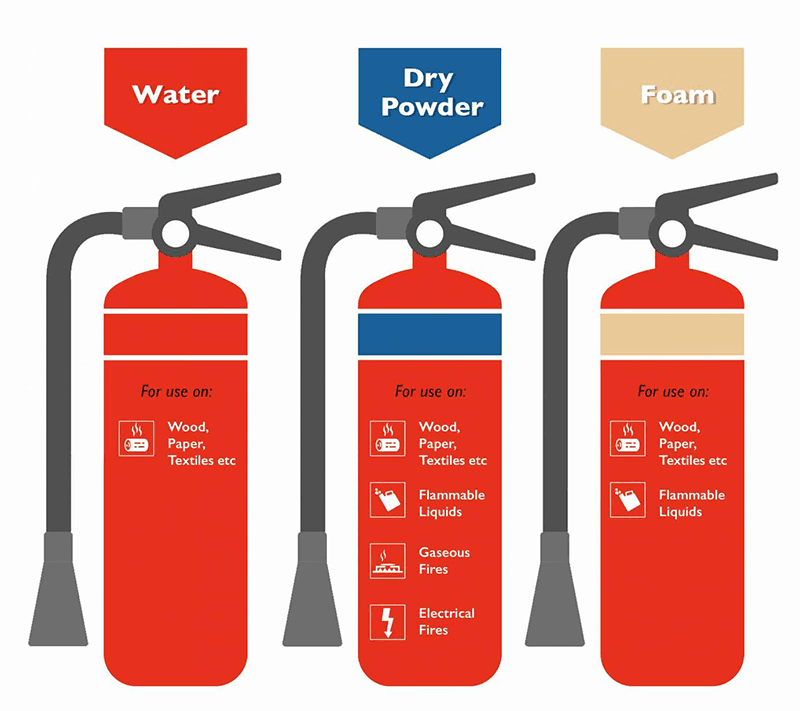
- CO2 extinguishers: These work by displacing oxygen, effectively smothering the fire. Plus, they're super clean, leaving no residue, which is great for sensitive electronics. It's like giving the fire a really cold, suffocating blanket.
- Dry Chemical extinguishers: These interrupt the chemical reaction of the fire itself. Think of it as telling the fire's internal combustion engine to "chill out." They're effective, but they do leave a powdery mess. A mess you'll be happy to clean up if it means saving your house, though!
So, when your smart home decides it's too smart for its own good and starts sparking, these are your go-to gadgets.
Spotting Your Electrical Firefighter
How do you identify a Class C extinguisher? Well, often they'll have a clear "C" symbol on them, usually within a blue circle (or sometimes a green circle if it's an older rating system). Many modern extinguishers are actually multi-purpose ABC rated, meaning they're effective against Class A, B, and C fires. These are the Swiss Army knives of the extinguisher world, and a fantastic choice for homes and offices where different fire types might occur.
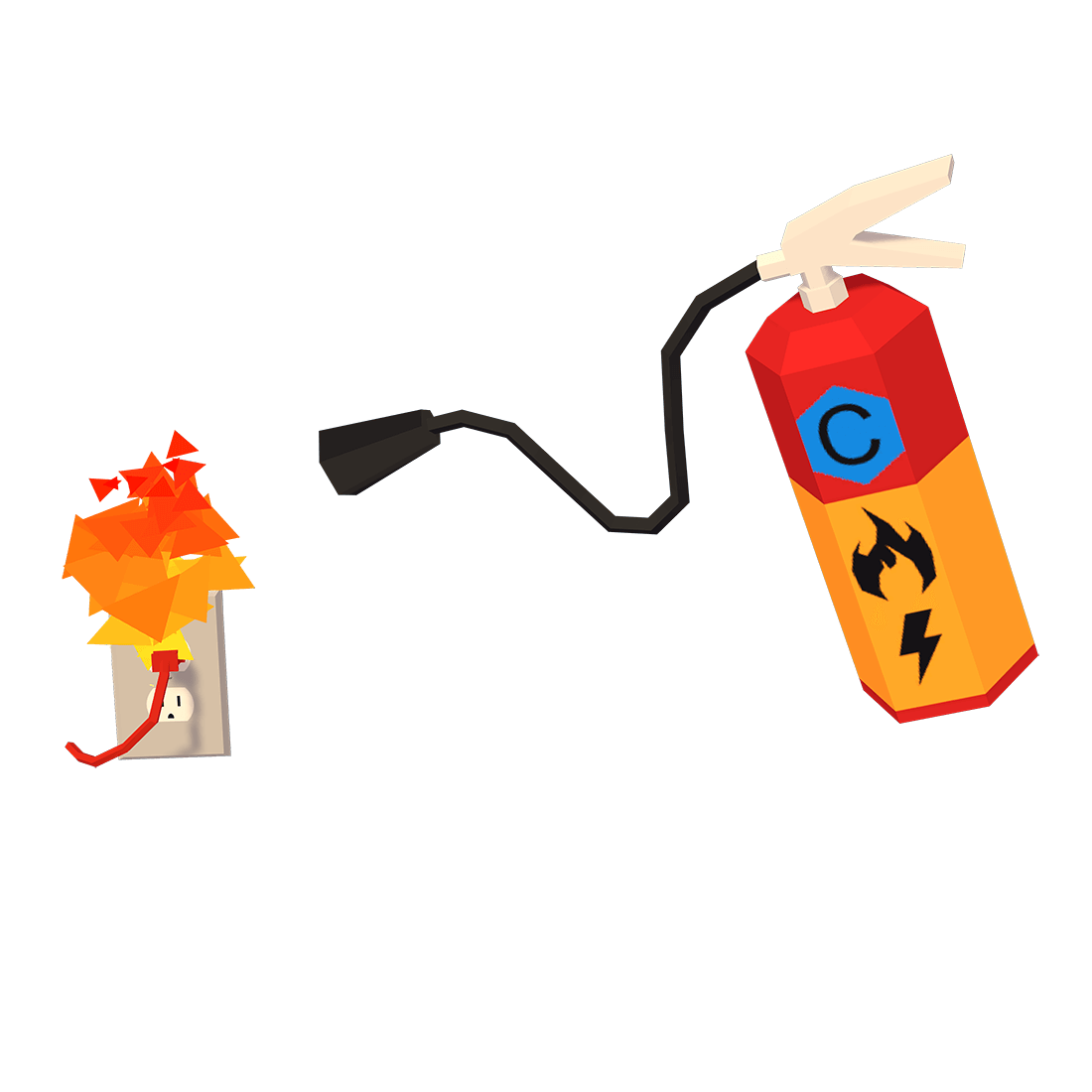
Always double-check the label, though. Just because it's red and hangs on the wall doesn't mean it's the right tool for every fiery job.
Where Do These Saviors Live?
You'll find Class C extinguishers (or their ABC multi-purpose cousins) in places where electrical equipment is abundant:
- Offices: Computers, printers, servers galore.
- Kitchens: Toasters, microwaves, refrigerators – anything with a plug.
- Garages/Workshops: Power tools, welding equipment, battery chargers.
- Server rooms: The absolute prime habitat for a Class C extinguisher.
- Your own home: Hopefully near your entertainment center or kitchen, just in case your smart fridge gets too smart for its own good.
Quick Fire Round: FAQs & Fun Facts
Can I use an ABC extinguisher on a Class C fire?
Absolutely! That "C" in ABC stands for exactly this purpose. It's like having a universal remote for fire-fighting.

What if the power is off? Is it still a Class C fire?
Great question! If you've managed to cut the power to the equipment (pulled the plug, flipped the breaker), it's no longer an energized electrical fire. It simply becomes a Class A fire (if it's combustibles) or Class B (if it's flammable liquids that ignited due to an electrical fault). This is why the first rule of electrical fires, if safe to do so, is often to cut the power!
Are they messy?
CO2 extinguishers are wonderfully clean. Dry chemical extinguishers, however, will leave a powdery residue. Think of it as a celebratory, dusty snowstorm after you've saved the day. A small price to pay for not having your house go up in flames, right?
Ultimately, knowing about Class C extinguishers isn't just trivia; it's a vital piece of safety knowledge. So, the next time you see one, give it a knowing nod. It’s sitting there, patiently waiting to be the unsung hero when your gadgets decide to have a meltdown. Just remember: when it comes to electrical fires, think C for "Cool it with CO2 or Chemicals!" And always, always prioritize calling 911 and getting out if the fire is anything more than tiny and easily manageable. Stay safe, my friends!