
Types Of Fire Extinguisher And Its Uses
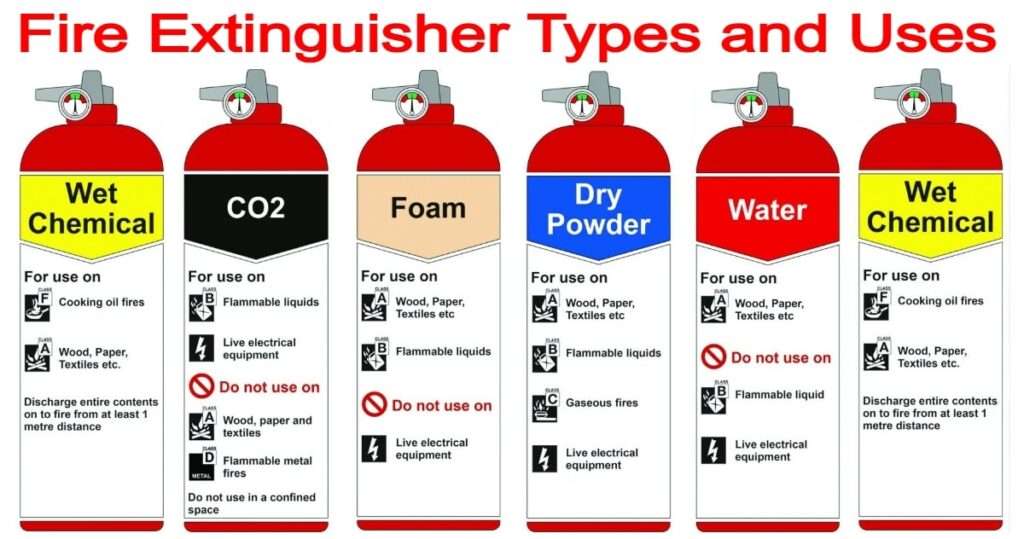
Okay, spill the beans. When you think of a fire extinguisher, do you just picture... a red can? Most people do! But hold up, because these unsung heroes of safety are actually way more fascinating than a simple red cylinder. They’re like superheroes, each with their own special power to fight a particular kind of fiery villain. Who knew fire safety could be this much fun?
Think about it. A fire isn’t just a fire. It’s got different personalities, different appetites! You wouldn't use a water gun to fight an oil spill, right? Same goes for fires. And that’s where our extinguisher friends come in, each designed to tackle a specific blaze. Let's dive into this surprisingly cool world!
The "Water Works" Hero: Class A
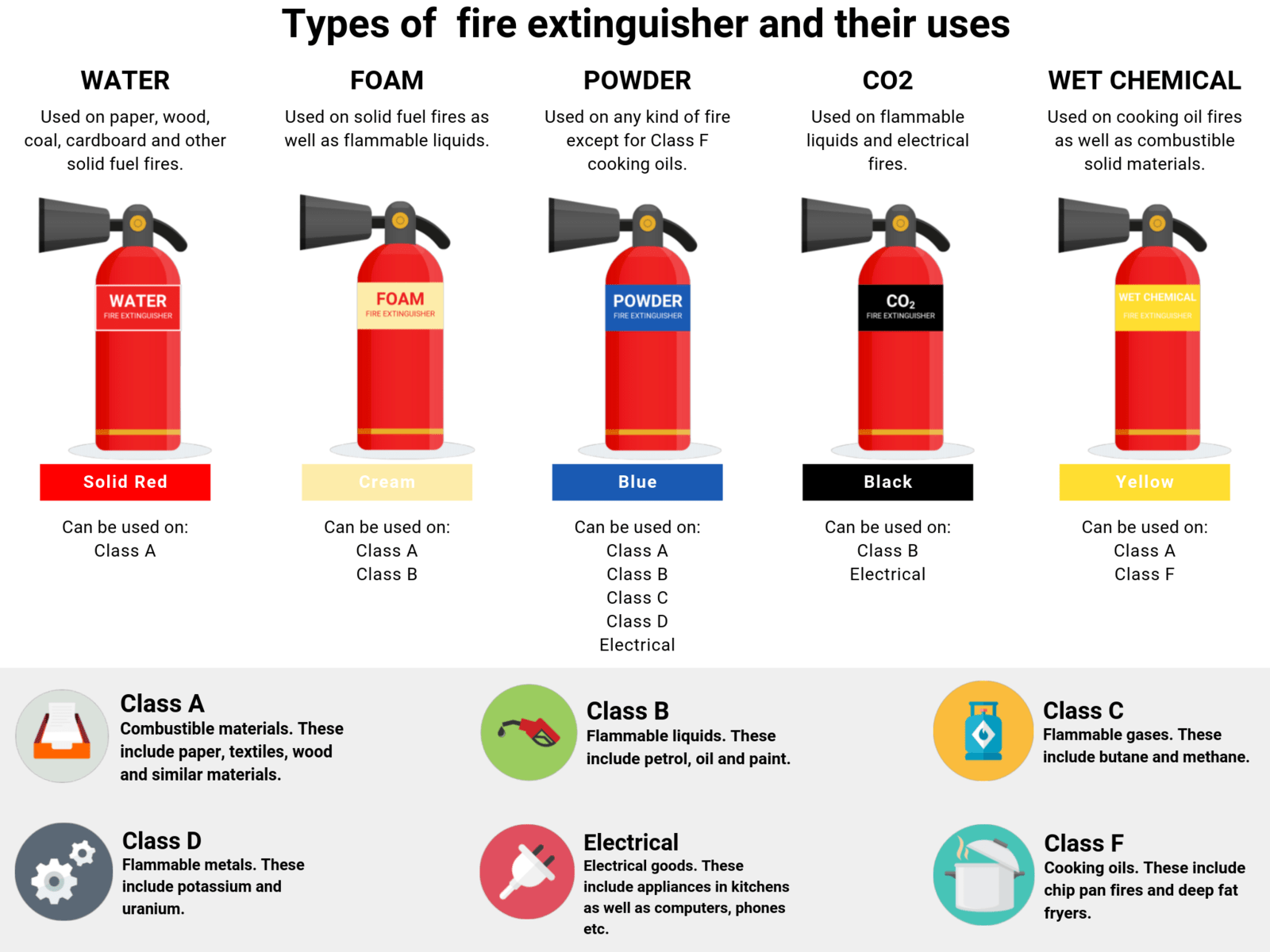
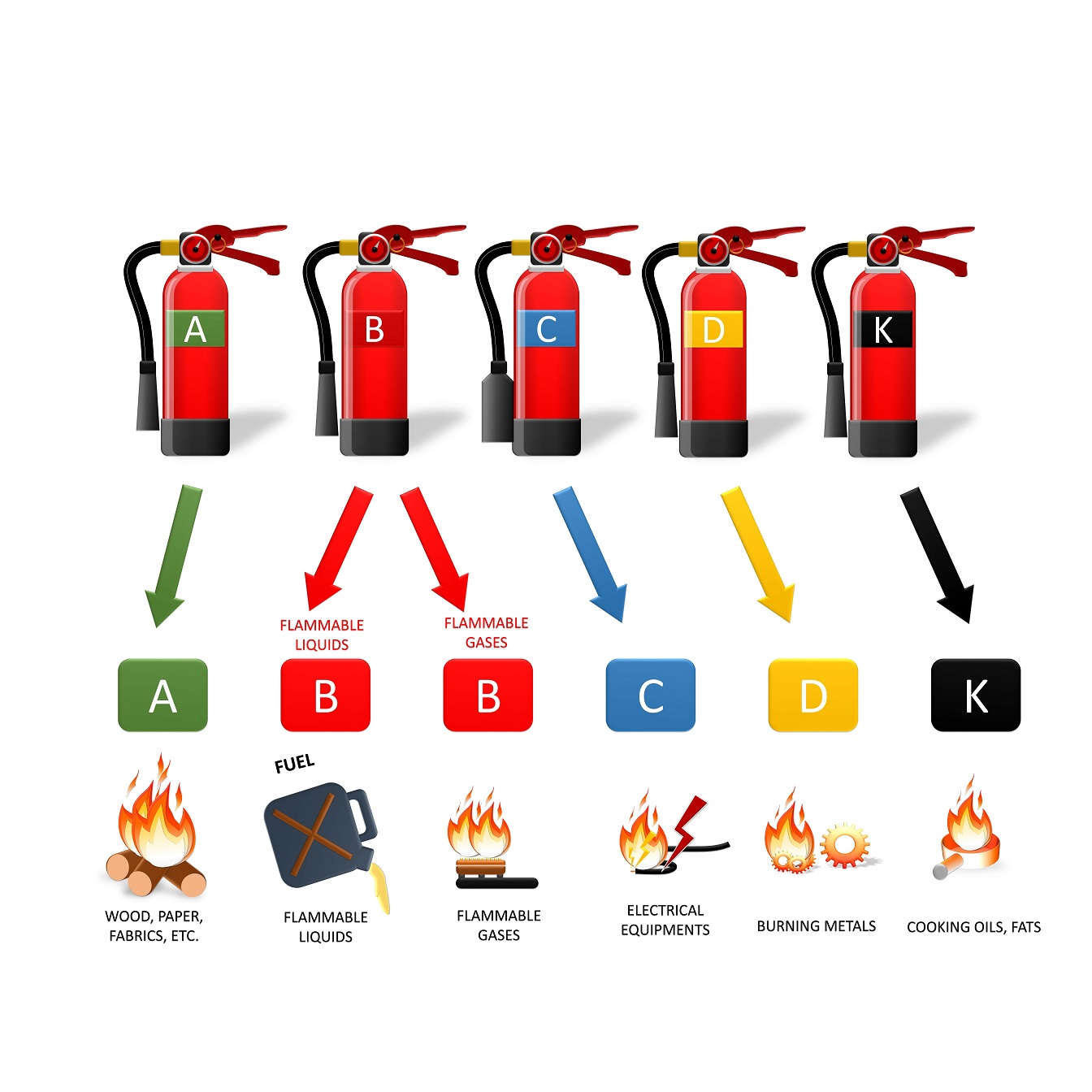
First up, we have the classic, the OG: the Class A extinguisher. This bad boy is all about ordinary combustibles. We're talking wood, paper, cloth, plastic – basically anything that leaves an ash. Think campfires, rubbish bins, or that time you accidentally burnt your toast a little too much.
Must Read
How does it work? Simple! Most Class A extinguishers are filled with pressurized water. It cools down the fuel below its ignition temperature. It’s like giving the fire a really cold shower to make it chill out. Super effective for those everyday blazes!
The "Smothering" Star: Class B
Next, meet the Class B extinguisher. This one has a sophisticated palate. It loves to fight fires involving flammable liquids and gases. Picture gasoline, oil, paint, propane. The stuff you absolutely don't want to spray water on, because that just spreads the fire like a liquid inferno! Yikes!
Class B extinguishers often use dry chemical agents or carbon dioxide. Their superpower? They smother the fire by cutting off its oxygen supply. It’s like putting a blanket over the flames and saying, "Nope, no more breathing for you!"

The "Electric Slide" Expert: Class C
Alright, switch gears for Class C. This is crucial for electrical fires. Your faulty wiring, overloaded power strips, that sparking appliance. Water is a HUGE no-no here. Why? Because water conducts electricity, turning you into a human lightning rod. Not fun!
Class C extinguishers are always non-conductive. They typically use carbon dioxide or dry chemicals. They put out the fire without giving you a shocking surprise. Safety first, always!
The "Metal Marvel": Class D
Now, for something a bit more exotic! Ever heard of a Class D fire? Probably not, unless you work in a lab or industrial setting. These are for combustible metals like magnesium, titanium, potassium. Yup, metals can burn, and boy, do they burn hot!

These extinguishers are super specialized. They use unique powders that form a crust over the burning metal, isolating it from oxygen and dissipating heat. It’s like a custom-made fire blanket for super-hot metals. Pretty niche, pretty cool!
The "Kitchen Kingpin": Class K
Calling all chefs! The Class K extinguisher is your best friend in the kitchen. This one is specifically designed for cooking oils and fats – think deep fryers, woks, those accidental grease fires. Standard extinguishers can sometimes spread these fires, or even make them explode!
Class K extinguishers contain a special wet chemical. It works through a process called saponification. Sounds fancy, right? It basically turns the burning oil into a non-combustible, soapy foam. It cools the oil and creates a barrier. So smart!
The All-Rounders: ABC and BC
Okay, so you don't need a whole arsenal of specific extinguishers in your home. That’s where the awesome multi-purpose extinguishers come in! The most common is the ABC dry chemical extinguisher. It's your everyday hero, capable of tackling Class A, B, and C fires. That's why you see them everywhere!
There are also BC extinguishers, great for liquids, gases, and electrical fires. Think of them as the reliable sidekicks, always ready for action. They are typically filled with sodium bicarbonate or potassium bicarbonate. Pretty neat, huh?
Your Secret Weapon: P.A.S.S.
Knowing your extinguisher types is half the battle. The other half? Knowing how to use one! It's super easy with the P.A.S.S. method. Remember this acronym, it could literally save the day:
- Pull the pin.
- Aim low at the base of the fire.
- Squeeze the handle.
- Sweep from side to side.
It's like playing a surprisingly serious (but still cool) video game, where you're the hero! Just remember: only fight a fire if it's small, contained, and you have a clear escape route. If not, get out and call for help!
Why This Is Actually Cool!
So, there you have it! Fire extinguishers are not just boring red cans. They are marvels of chemical engineering, each designed with a specific mission. Knowing the difference empowers you, makes you sound super smart, and helps keep everyone safer.
Next time you spot one, you won't just see a generic object. You'll see a Class A water wizard, a Class K kitchen crusader, or an ABC all-rounder. How cool is that? Who knew safety could be this exciting? Go forth, armed with your new knowledge, and impress your friends with your newfound extinguisher wisdom!