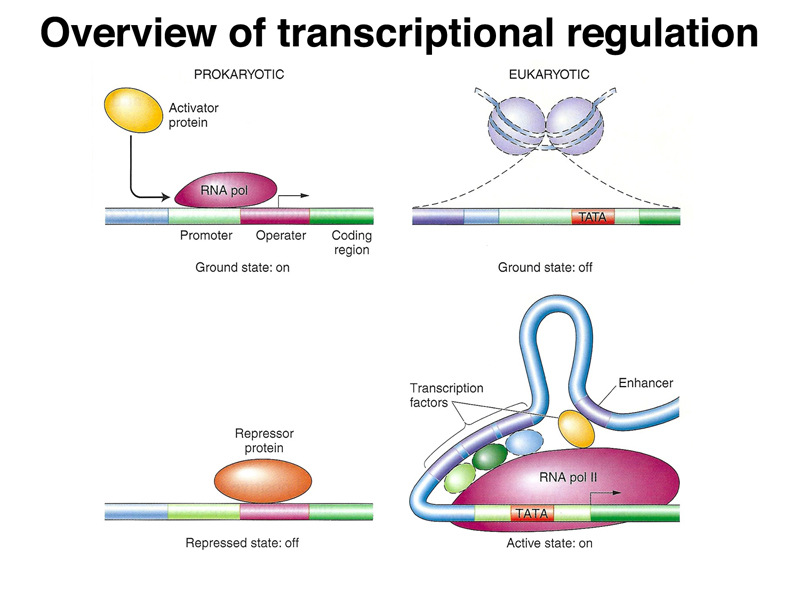
Transcription Is Targeted Most Directly By

Hey everyone! Ever wondered what's the most vulnerable part of our cells when things go wrong? I mean, we're talking about the tiny world inside us, where molecules are constantly buzzing around, doing important jobs. It's like a super busy city, and sometimes, that city gets targeted. But what part gets hit hardest, most directly? Let's dive in!
Think of your DNA as the master blueprint for building… well, you! It's a complete instruction manual, carefully guarded in the nucleus of each cell. But DNA itself isn't directly involved in making proteins, the workhorses of our cells. Instead, it relies on a clever copying process called transcription.
Transcription: The Copy Machine of Life
Imagine you need to share a vital recipe from a super-secret, super-fragile cookbook (that's your DNA!). You wouldn't just hand the cookbook to everyone, right? Too risky! Instead, you'd make a photocopy of the recipe and pass that around. That's basically transcription in a nutshell!
Must Read
Transcription is where the information in DNA is copied into a messenger molecule called RNA (ribonucleic acid). RNA is similar to DNA, but single-stranded and more mobile. This RNA then carries the instructions from the DNA in the nucleus to the ribosomes in the cytoplasm, where proteins are made. So, why is this cool and interesting?
Well, it's the crucial intermediate step! Without transcription, our cells couldn't turn the DNA's instructions into the proteins needed for everything – from digesting food to fighting off infections. Pretty important, wouldn't you say?
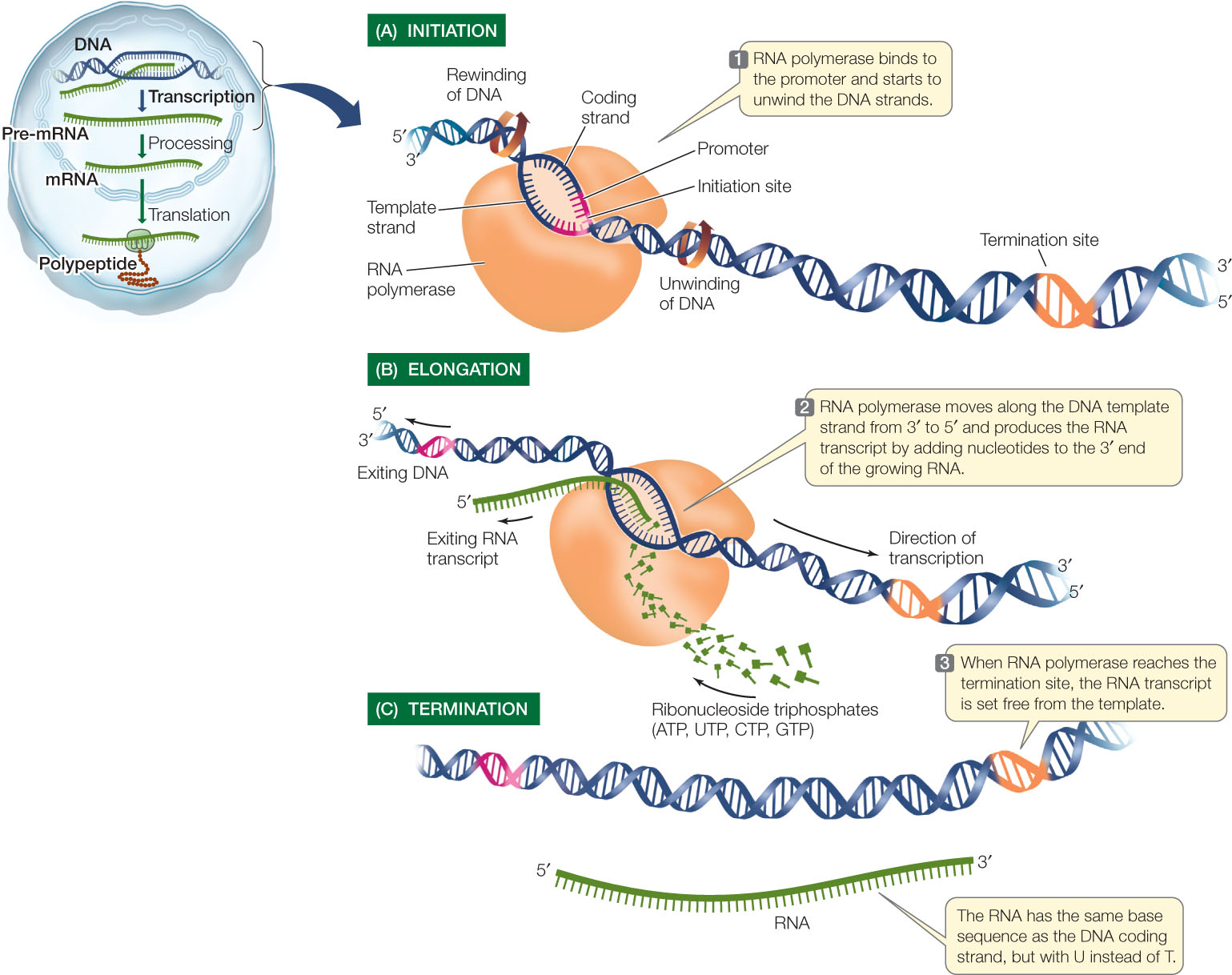
But because it is a copy process, it means that the transcription process has a few weak points. If transcription is targeted, all downstream processes will be affected. But what targets transcription?
So, What Targets Transcription Most Directly?
Here's the punchline: Transcription is most directly targeted by things that interfere with the enzymes responsible for carrying out the copying process.
Specifically, we're talking about things that mess with RNA polymerase. Think of RNA polymerase as the photocopy machine in our earlier analogy. It's the enzyme that reads the DNA sequence and builds the RNA molecule.
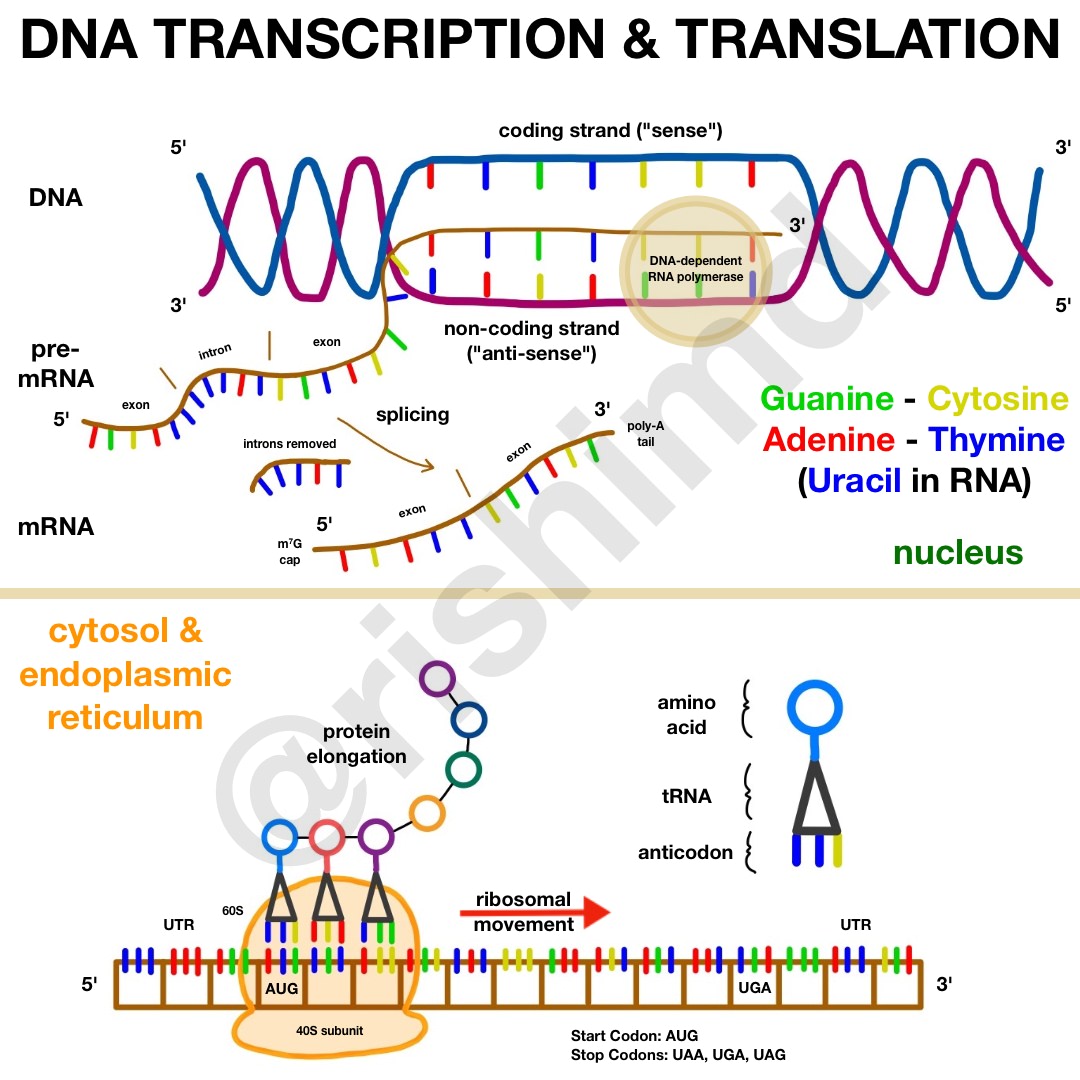
What kinds of things mess with RNA polymerase? Glad you asked!
- Certain toxins and drugs: Some toxins and medications act like wrenches thrown into the gears of RNA polymerase. They can bind to the enzyme, blocking it from working correctly, or even damaging it.
- Viruses: Viruses are notorious for hijacking our cellular machinery to replicate themselves. Some viruses produce proteins that directly target RNA polymerase, either inhibiting it or forcing it to copy viral RNA instead of our own.
- Mutations: While less direct, mutations in the genes that code for RNA polymerase itself can disrupt the enzyme's structure and function. This can lead to faulty transcription.
These are all the things that can affect the enzyme directly, but what about things that affect DNA itself? Why aren't these targets? These targets are affecting replication. Replication is the process of making a copy of the original DNA, while transcription is the process of making a copy of a particular gene. If DNA is damaged and can't be read properly, then replication also becomes damaged. But the core idea is that it affects the original blueprint, whereas transcription is just a copy. Thus, transcription is more "targetable".
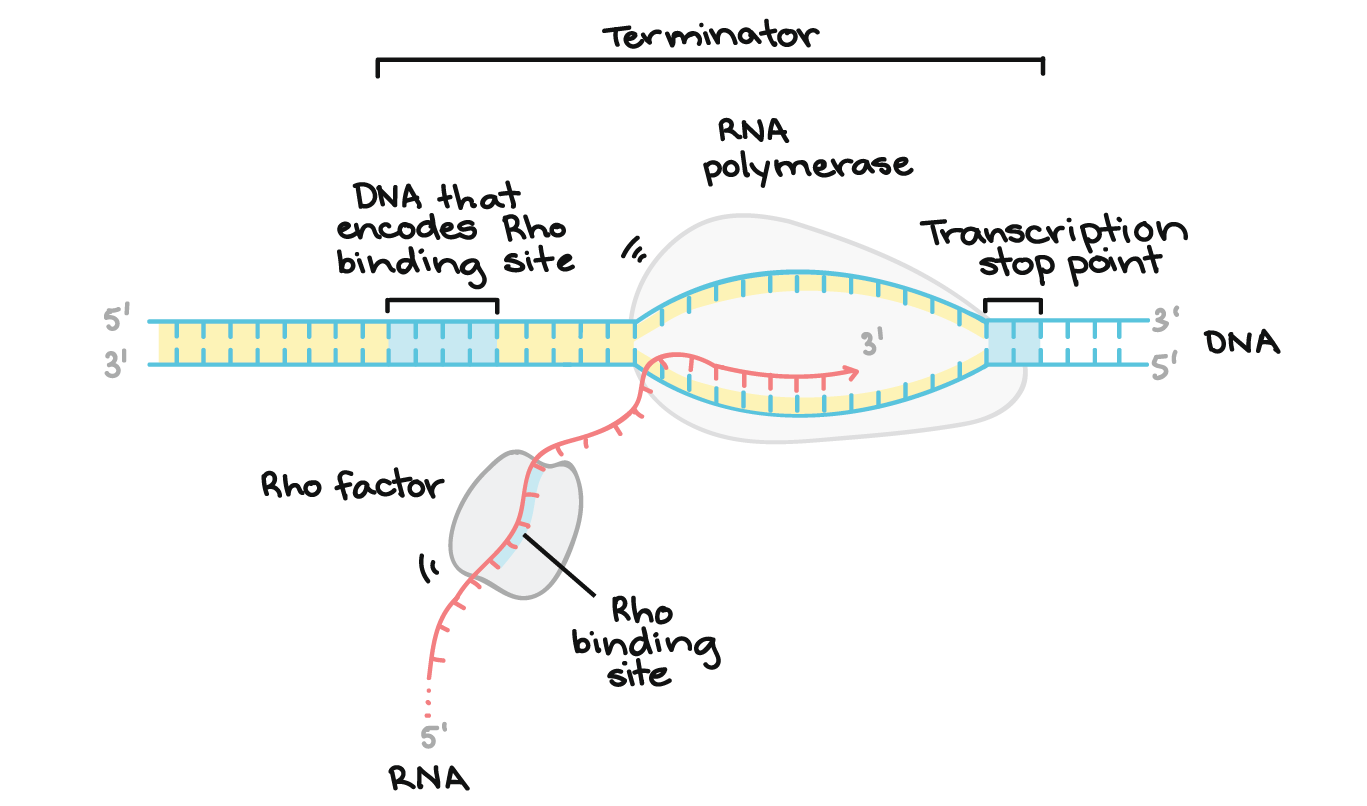
Why Is This Important?
Understanding how transcription is targeted is crucial for several reasons:
- Drug Development: Many drugs are designed to target specific enzymes or processes in the body. Understanding how transcription works and what can disrupt it allows scientists to develop more effective medications to fight diseases. For example, some antibiotics target bacterial RNA polymerase to kill bacteria.
- Understanding Disease: Many diseases, including cancer, involve disruptions in gene expression. By studying how transcription is affected in these diseases, researchers can gain insights into their underlying mechanisms and develop new therapies.
- Basic Research: Understanding fundamental biological processes like transcription is essential for advancing our knowledge of life itself.
So, next time you think about the intricate workings of your cells, remember transcription! It's a critical process, and also a vulnerable one. And remember the little RNA polymerase enzyme doing its best to make copies of our genes. Understanding this delicate process is a key to understanding ourselves!
Hope you enjoyed this little journey into the world of molecular biology! Stay curious!