Total Energy Use In The Us
Ever stopped to think about what powers your life? Not just your phone, but your entire city, your car, your workplace? We're diving into something truly fascinating and surprisingly accessible: Total Energy Use In The US. While it might sound like a super technical topic for economists or engineers, trust me, it's actually incredibly fun and useful for everyone. Think of it as peeling back the curtain on how our modern world hums along. It's about understanding the invisible currents that bring us light, warmth, and mobility every single day. Learning about it isn't just for the policy wonks; it’s for curious minds who want to better understand their daily existence and the bigger picture.
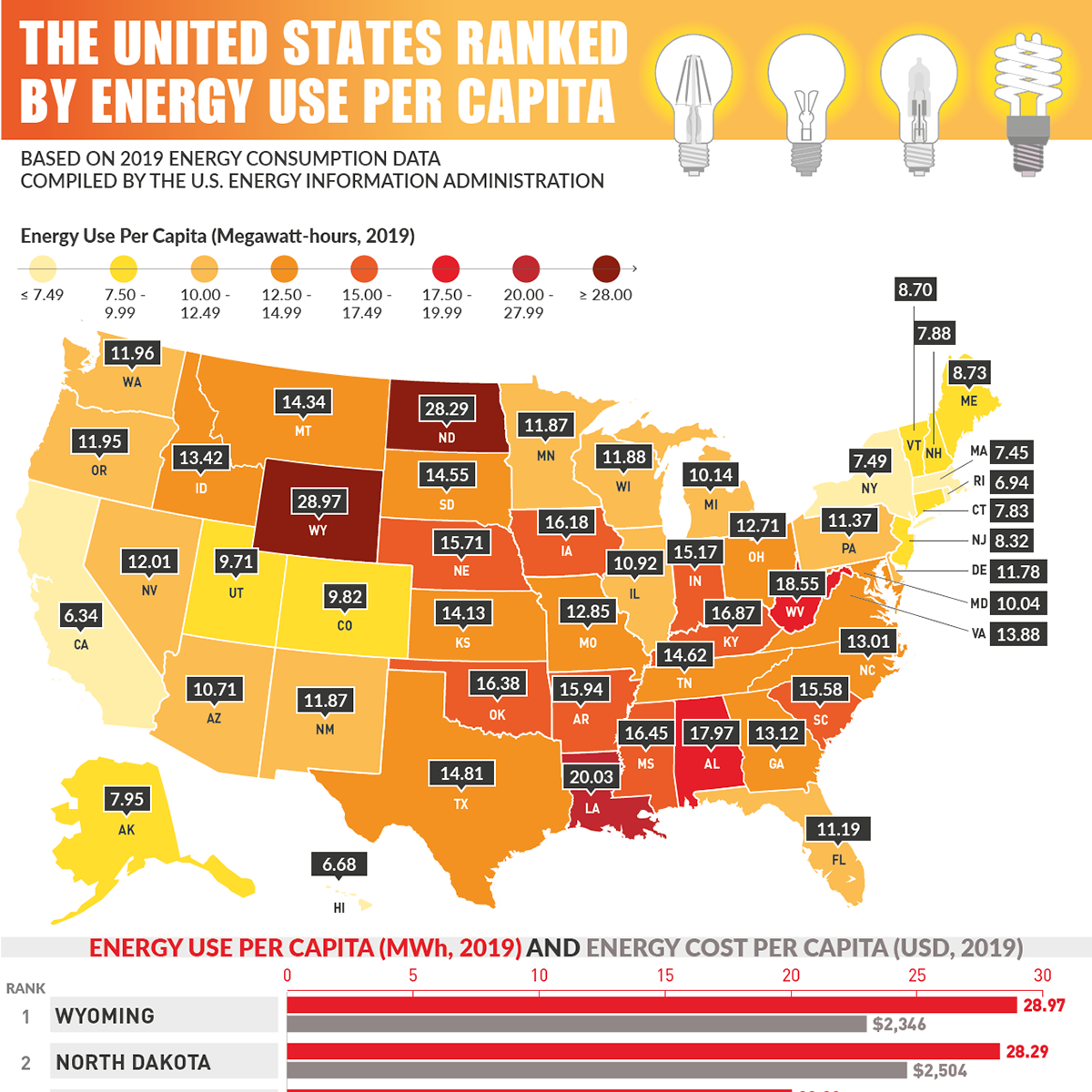
So, who can benefit from this energy deep dive? Pretty much everyone! For beginners, it’s an eye-opening journey into how a massive country like the US fuels itself. You'll gain a foundational understanding that makes news stories about climate, energy policy, or even gasoline prices suddenly make a lot more sense. For families, understanding total energy use can translate directly into practical benefits. Imagine saving money on your utility bills by making smarter choices, or teaching your kids about the resources that power their gadgets and toys. It empowers you to make informed decisions, whether you're buying a new appliance or planning a road trip. And for the hobbyists – perhaps you're into home efficiency, electric vehicles, or even just keen on data – grasping the national energy landscape provides crucial context for your passions, helping you see where your individual efforts fit into the grand scheme.
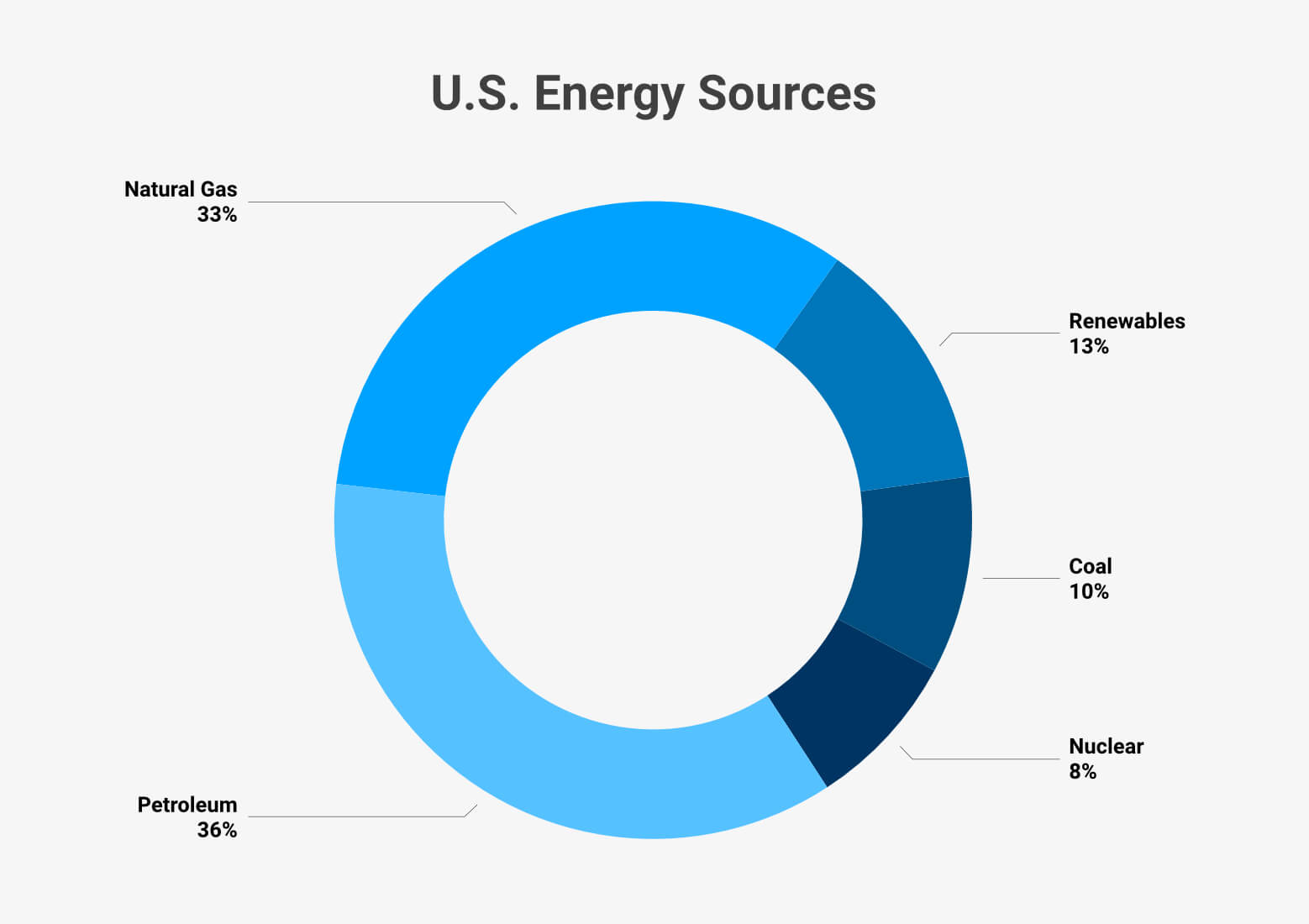
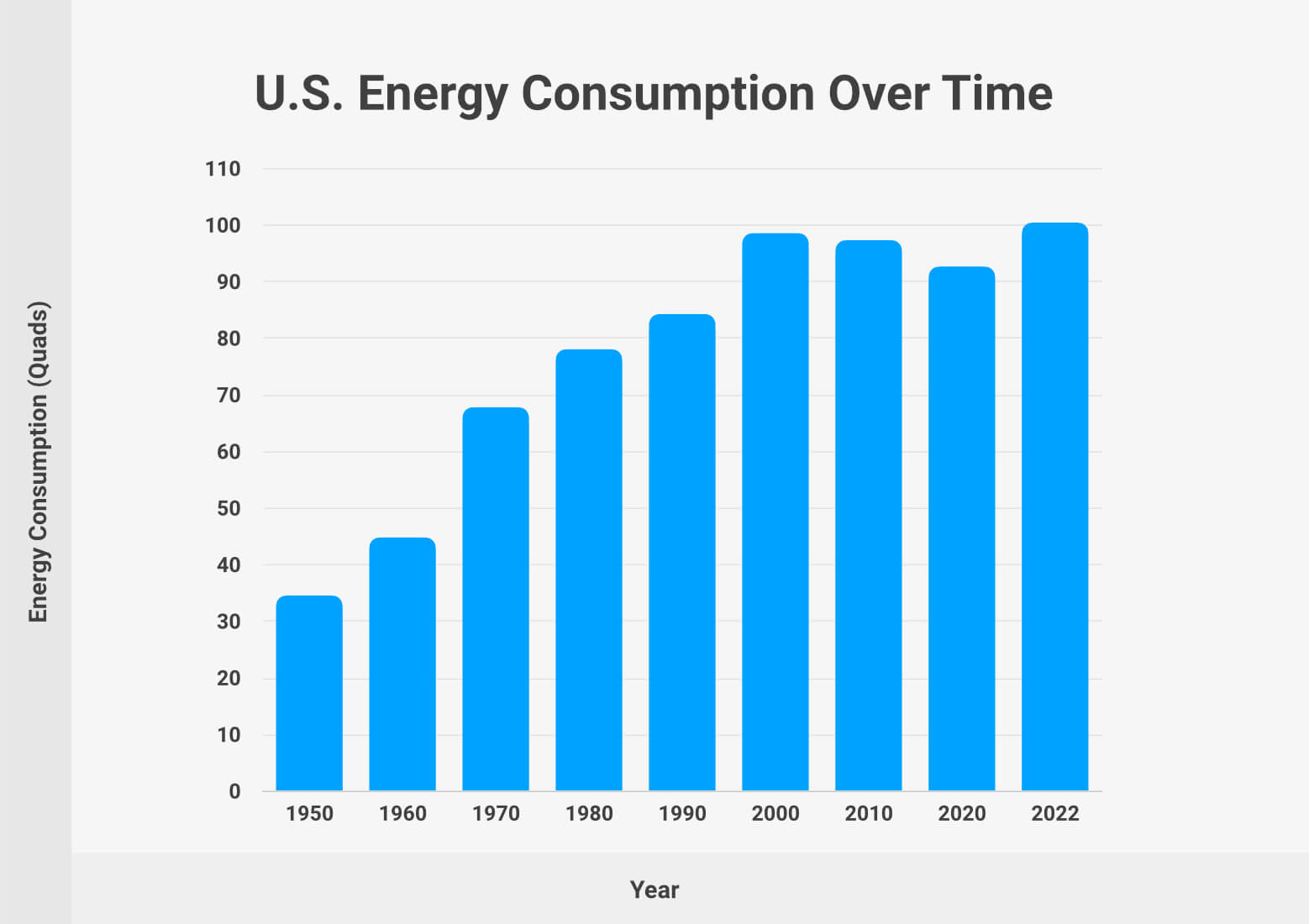
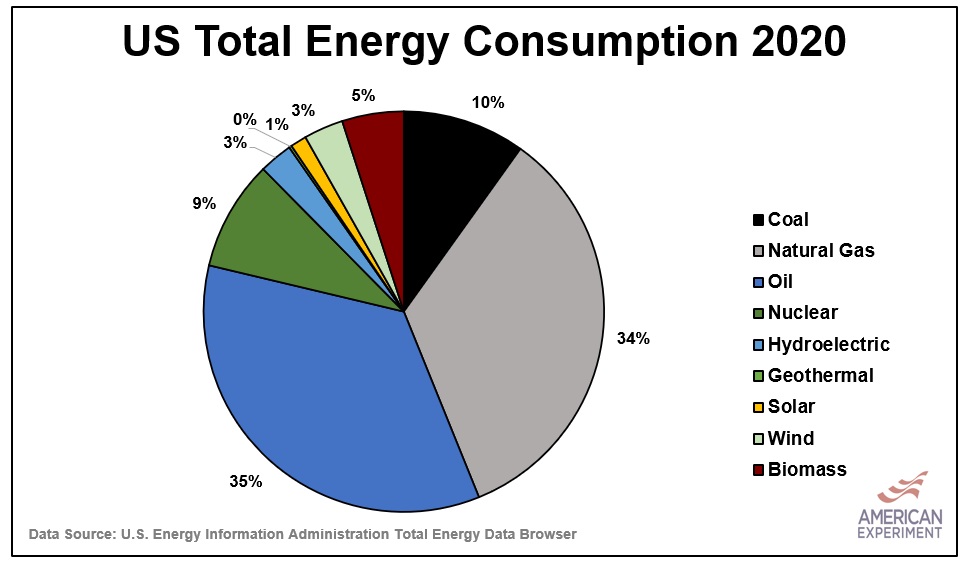
Let's look at some examples of what this "total energy use" actually covers. It's not just electricity! We're talking about all the energy that keeps things moving. This includes the gasoline in your car, the natural gas heating your home, the coal or solar powering the grid, and even the fuels used in giant factories. We can break it down by where the energy comes from – think fossil fuels like petroleum, natural gas, and coal, alongside growing sources like solar, wind, hydro, and nuclear. We can also look at where it goes – into different sectors like residential homes, commercial buildings, industrial processes, and transportation. Did you know transportation alone accounts for a huge chunk of our energy demand? Seeing these proportions shift over time, with renewables gaining ground, is a truly dynamic and hopeful trend to track.
Must Read
Ready to start your own energy exploration? It's simpler than you think! A great first step is to simply look at your own utility bill. What does it tell you about your household's electricity or gas consumption? Another fantastic resource is the US Energy Information Administration (EIA) website. It's packed with easy-to-understand data and charts on national energy trends. You can also start by simply noticing energy around you – the power lines, the gas station, the solar panels on a roof. For a more direct impact, try a simple home energy audit (many utility companies offer free tools or services) to see where you could be more efficient. Even small changes, like unplugging unused electronics or switching to LED bulbs, contribute to the bigger picture.
Understanding total energy use in the US isn't just about numbers; it's about gaining a richer appreciation for the infrastructure and resources that underpin our daily lives. It's empowering, makes you a more informed citizen, and can even put money back in your pocket. So go ahead, start exploring – the energy world awaits!