
Thermostat Says Heat On But No Heat
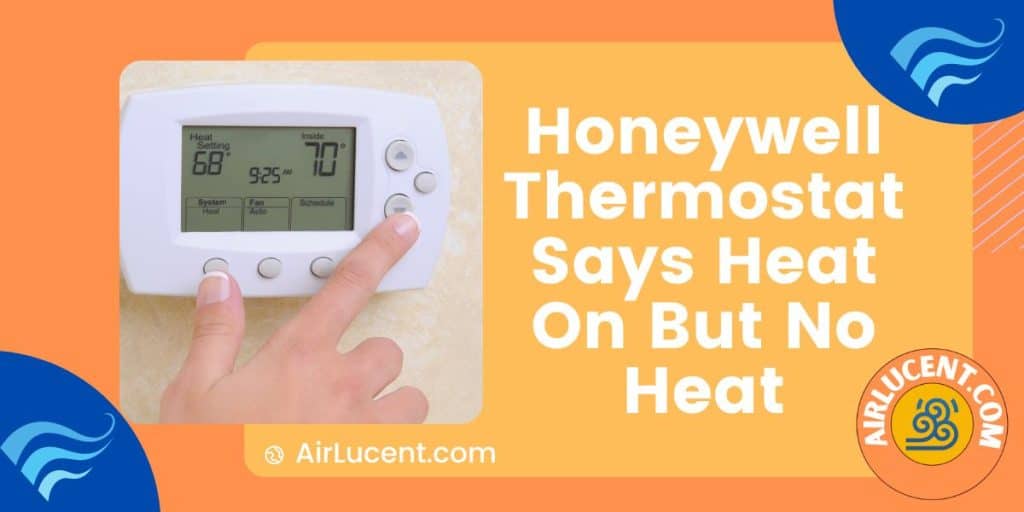
Ah, winter. The season of cozy sweaters, warm drinks, and... the sinking feeling that something is terribly wrong when your thermostat cheerfully declares "HEAT ON" but you're shivering anyway. It's a common scenario, a frustrating plot twist in the daily drama of homeownership. But before you resign yourself to a life of bundled-up misery, let's troubleshoot this chilly mystery. Think of it as a home improvement quest – and you're the hero!
Why bother diving into the inner workings of your home's heating system? Well, for starters, it can save you money. A simple fix you can do yourself avoids the cost of a service call. But beyond the practical benefits, understanding your home's systems empowers you. It fosters a sense of self-reliance and deepens your connection to your living space. It's like unlocking a secret level in the video game of adulting.
So, what are the usual suspects when your thermostat is lying to you? Let's break it down. First, check the basics. Is the furnace switch turned on? (Yes, it happens!) Is the breaker tripped? A quick trip to the electrical panel can resolve a surprising number of heating woes. Next, examine the thermostat itself. Is it properly calibrated? Does it need new batteries? A faulty thermostat can send misleading signals, causing your furnace to stubbornly refuse to cooperate. Another culprit could be the air filter. A clogged filter restricts airflow, forcing your furnace to work harder and potentially overheat, shutting itself down as a safety measure. Finally, consider the pilot light (if your furnace has one). A blown-out pilot light means no ignition, no heat. Relighting it is usually a straightforward process, but always follow the manufacturer's instructions carefully.
Must Read
Now, let's talk about trying this at home. Safety first! Before you start poking around your furnace, turn off the power at the breaker. This prevents accidental shocks. Gather your tools: a screwdriver, a flashlight, and perhaps a multimeter if you're comfortable using one. Start with the easiest checks: the furnace switch, the breaker, the thermostat batteries. Then, move on to the air filter. If it's visibly dirty, replace it. If your furnace has a pilot light, carefully follow the manufacturer's instructions to relight it. If these simple steps don't resolve the issue, it might be time to call a professional. There could be a more serious problem, such as a faulty gas valve or a malfunctioning blower motor.
Don't be discouraged if you can't fix the problem yourself. The goal isn't necessarily to become a heating and cooling expert overnight, but rather to gain a better understanding of your home and its systems. The satisfaction of diagnosing and fixing even a minor issue is immense. And even if you end up calling a professional, you'll be able to describe the symptoms more accurately, potentially saving them time and you money. Troubleshooting a "no heat" situation might seem daunting at first, but with a little patience and a systematic approach, you can conquer the cold and reclaim your cozy kingdom. The best part? The eventual reward of that first blast of warm air, a sweet victory against the winter chill!


