
Teas For Kidney And Liver Health
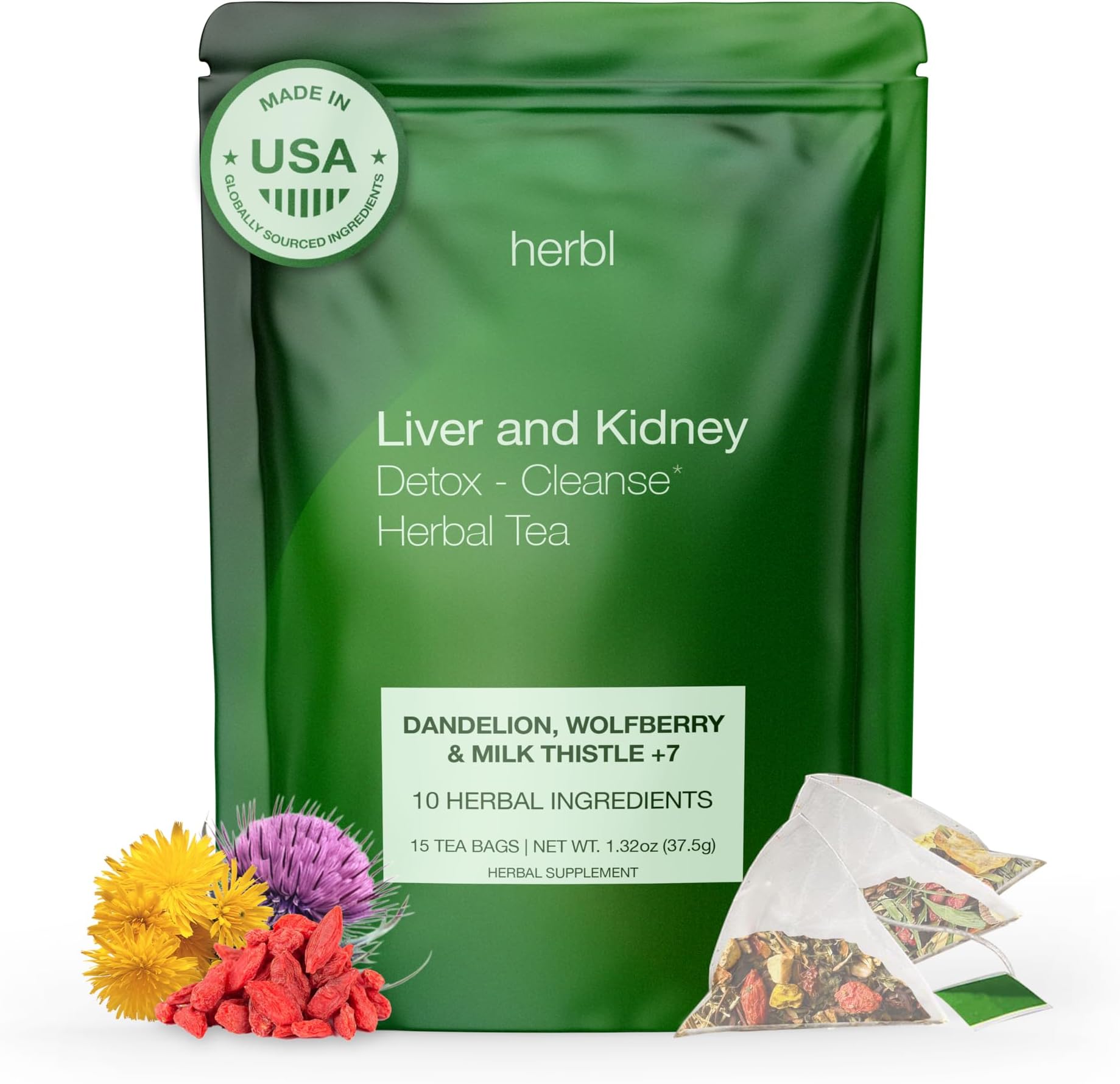
Okay, tea lovers, gather 'round! We're about to spill the (tea, naturally) on how your favorite cuppa might be giving your kidneys and liver a little love. Forget those kale smoothies for a minute, because we're talking about something way more comforting and, let's be honest, more fun.
Tea: It's Not Just for Grandma Anymore
Let's face it, tea sometimes gets a bad rap. Images of doilies and cucumber sandwiches might pop into your head. But ditch that stereotype! Tea is a global phenomenon, enjoyed by everyone from monks in remote mountain monasteries to busy city dwellers grabbing a quick caffeine fix. And it turns out, many varieties boast potential benefits beyond just warming you up on a chilly day. We're talking about ingredients that have been used for centuries, whispered about in ancient texts, and now maybe, just maybe, giving your hardworking kidneys and liver a gentle nudge in the right direction.
Hibiscus: The Tart Tango for Your Tummy (and More!)
First up, we have hibiscus tea. This vibrant red brew is like a tropical vacation in a mug. It's tart, tangy, and surprisingly refreshing. But beyond the tastebud party, hibiscus is packed with antioxidants. Think of them as tiny superheroes fighting off the bad guys inside your body. Now, while scientists are still doing their thing and figuring out exactly how hibiscus benefits your kidneys and liver, some studies suggest it might help keep things flowing smoothly. Plus, it's naturally caffeine-free, so you can sip it before bed without counting sheep until sunrise.
Must Read
Imagine your liver and kidneys doing a little tango, all thanks to your hibiscus tea! Okay, maybe that's a little much, but you get the idea.
Green Tea: The Zen Master in a Teacup
Next, we have the ever-popular green tea. This one is like the Zen master of teas – calming, collected, and full of ancient wisdom. Green tea is brimming with catechins, another type of antioxidant. Catechins are believed to have all sorts of health benefits, and some research suggests they might help protect your liver from damage. Plus, green tea is a great alternative to coffee, giving you a gentle energy boost without the jitters. Just picture your liver saying, "Ahhh, finally, a little peace and quiet," as you sip your green tea.

Just remember, moderation is key. Too much of anything, even something as good as green tea, might not be ideal. Think of it like watering a plant – you want to give it just the right amount, not drown it!
Ginger Tea: The Spicy Secret Weapon
Don't underestimate the power of ginger! This spicy root has been used for centuries to soothe upset stomachs and fight inflammation. Ginger tea is like a warm hug from the inside out. And some studies suggest it might have protective effects on the liver, helping to keep it functioning optimally. So, next time you're feeling a little sluggish, brew yourself a cup of ginger tea and let the magic happen.

Imagine your kidneys doing a little happy dance after you've enjoyed your ginger tea. Okay, maybe not literally, but you get the point!
A Word of Caution (and a Dash of Common Sense)
While these teas might offer potential benefits, it's crucial to remember that they are not a cure-all. If you have any concerns about your kidney or liver health, always consult with your doctor. Think of tea as a helpful sidekick, not a superhero.
And of course, listen to your body! If a particular tea doesn't agree with you, don't force it. There are plenty of other fish (or, in this case, teas) in the sea.
The Bottom Line: Sip, Savor, and Maybe, Just Maybe, Support Your Organs
So, there you have it! A fun and friendly look at how some of your favorite teas might be giving your kidneys and liver a little extra TLC. Remember, tea is about more than just hydration. It's about ritual, relaxation, and maybe, just maybe, a little bit of organ love. So, brew yourself a cup, kick back, and enjoy the moment. Your liver and kidneys might just thank you for it. And who knows, maybe they'll even do a little tango!
Disclaimer: This article is for informational purposes only and should not be considered medical advice. Always consult with a healthcare professional before making any changes to your diet or treatment plan.
