
Smoke Detector And Carbon Monoxide Detector Beeping
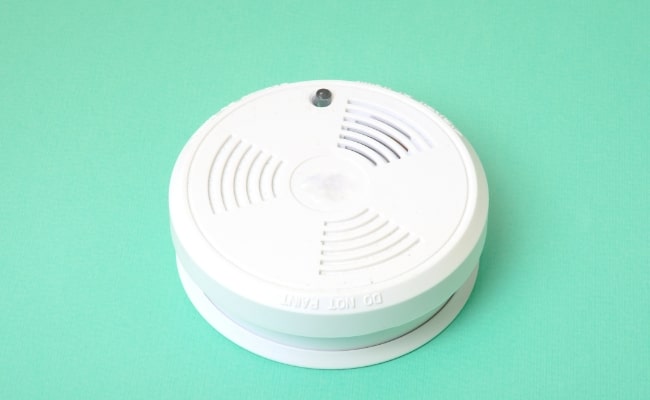
Alright, let’s talk about that sound. You know the one. That little, insistent beep-beep-beep that always seems to kick off at the most inconvenient moment. Usually, it's 3 AM. Always 3 AM. It’s the universal signal that your smoke detector or carbon monoxide detector is trying to tell you something. And honestly, it’s a pretty funny, quirky little saga we all share.
The Midnight Chirp: Low Battery Drama
Picture this: you're in a deep, peaceful sleep. Dreams of puppies and rainbows. Then, out of nowhere, a single, sharp chirp slices through the silence. It's not an alarm yet. Oh no. It's far more subtle, far more devious. It's the low battery warning. Your smoke detector, a stoic guardian for years, has suddenly decided it’s time for its dramatic farewell.
And where is it coming from? That’s the real mystery! You lie there, head tilted, trying to pinpoint the source. Is it upstairs? Downstairs? In the wall? It's like a game of reverse Marco Polo, played in the dark, half-asleep. The hunt begins, a groggy, midnight safari for the elusive beeper.
Must Read
Why always at night? Because that's when your home's ambient temperature drops slightly, causing the battery's internal resistance to increase. It’s like your battery saying, "I'm tired, I'm cold, and I'm going to complain about it loudly!" Totally relatable, right?
The good news? A low battery chirp usually means a simple fix. Just a fresh 9-volt square (or AA, or AAA, depending on your device) and peace is restored. Ah, the sweet silence.

The Full-On Scream: Smoke! (Or Just Burnt Toast)
Then there's the other sound: the full-blown, ear-splitting alarm. This isn't a gentle nudge; it's a panicked yell. Your smoke detector is no longer politely requesting a battery change; it's screaming, "Mayday! Mayday! There's smoke in here!"
Most of the time, this is triggered by your adventurous cooking. A forgotten pan, an over-toasted bagel, or a culinary experiment gone slightly (or spectacularly) wrong. It's the house's way of telling you, "Maybe order takeout tonight?"
But hey, that's what they're for! Smoke detectors are the unsung heroes of home safety. They watch over us, even when we accidentally burn popcorn for the fifth time. There are two main types: ionization alarms (great for fast-flaming fires) and photoelectric alarms (better at detecting slow, smoldering fires). Some even have both! It's like having two different types of spies, each looking for a particular kind of villain.
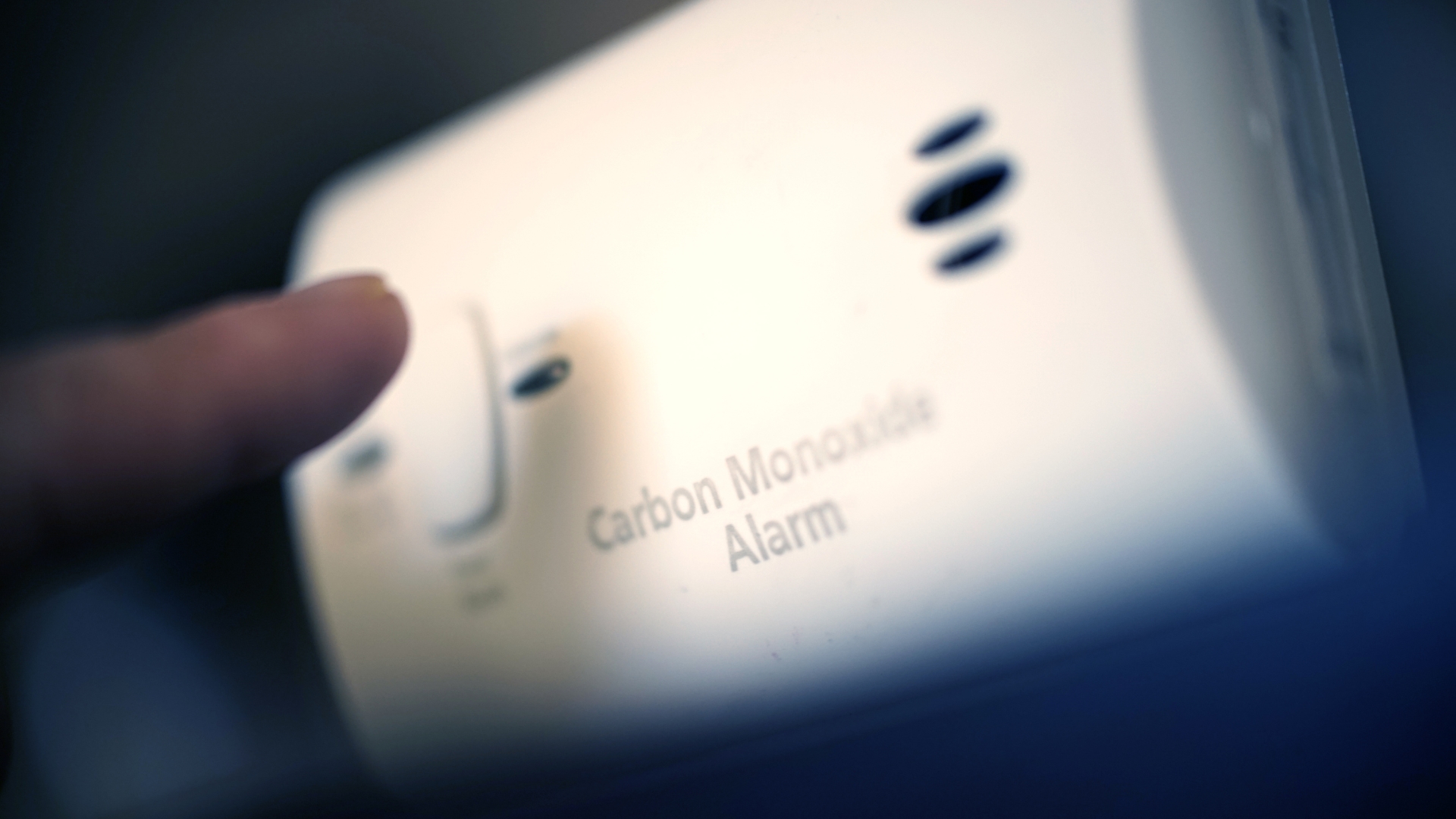
When the full alarm goes off, it’s a good reminder to check your system. Test it monthly! Press that little button. It’s a loud, startling noise, but it’s a small price to pay for knowing your device is ready to protect your family from a real emergency.
The Silent Killer's Loud Warning: Carbon Monoxide
Now, let's talk about the other beeper in your life: the carbon monoxide (CO) detector. CO is a real sneaky villain. It's an invisible, odorless, tasteless gas. You literally can't detect it with your own super senses. That's why your CO detector is basically a superhero with an invisible shield, standing guard.

The alarm from a CO detector often sounds different from a smoke alarm. It might be a series of four quick beeps, repeating every few seconds. When this one goes off, it's not usually your burnt toast. This is the one you absolutely do not ignore. It means there could be dangerous levels of CO in your home, which can come from faulty furnaces, gas stoves, fireplaces, or car exhaust.
It's like your house has a secret language. The smoke alarm yells, "Fire!" and the CO alarm quietly but firmly says, "Invisible danger! Get out!" Knowing the difference in their vocalizations is key. Check your manual; each device has its own unique beep patterns to signal different threats or conditions.
The "What Now?" Beeps: Mystery Solved
Sometimes, the beeping isn't a low battery or an obvious threat. What then? Well, these clever little gadgets have other reasons for their vocalizations:

- End-of-Life Beep: Yep, they expire! Most detectors have a lifespan of about 7-10 years. After that, they start singing their swan song, usually a specific beep pattern, letting you know it's time for retirement. It's their way of saying, "I've served my time, human. Get a new one!"
- Dust and Debris: Sometimes, dust bunnies, tiny insects, or even too much humidity can trigger a false alarm. It's like your detector is just a little ticklish. A quick clean with a vacuum attachment might solve it.
- Interference: Believe it or not, sometimes electrical interference can cause a detector to chirp. It’s a rare quirk, but it happens!
So next time you hear a mysterious beep, remember it’s not just a random noise. It’s your home safety device, a quirky little gadget, trying its best to communicate with you. It’s a guardian, a protector, and occasionally, a 3 AM nuisance. But always, always there for you.
Embrace the Beep!
Next time your detector starts its symphony, don't get mad. Get curious! What is it trying to tell you? Is it a dramatic plea for new batteries? A panicked warning about your culinary prowess? Or a silent hero detecting an invisible threat?
These devices are literally lifesavers, even if they occasionally have impeccable timing for their low-battery protests. So, change those batteries annually, test them regularly, and perhaps give a little nod of appreciation to these noisy, quirky, yet utterly essential protectors of our homes. They might be annoying sometimes, but they're always looking out for you!